
Beautiful Plants For Your Interior
Beautiful Plants For Your Interior
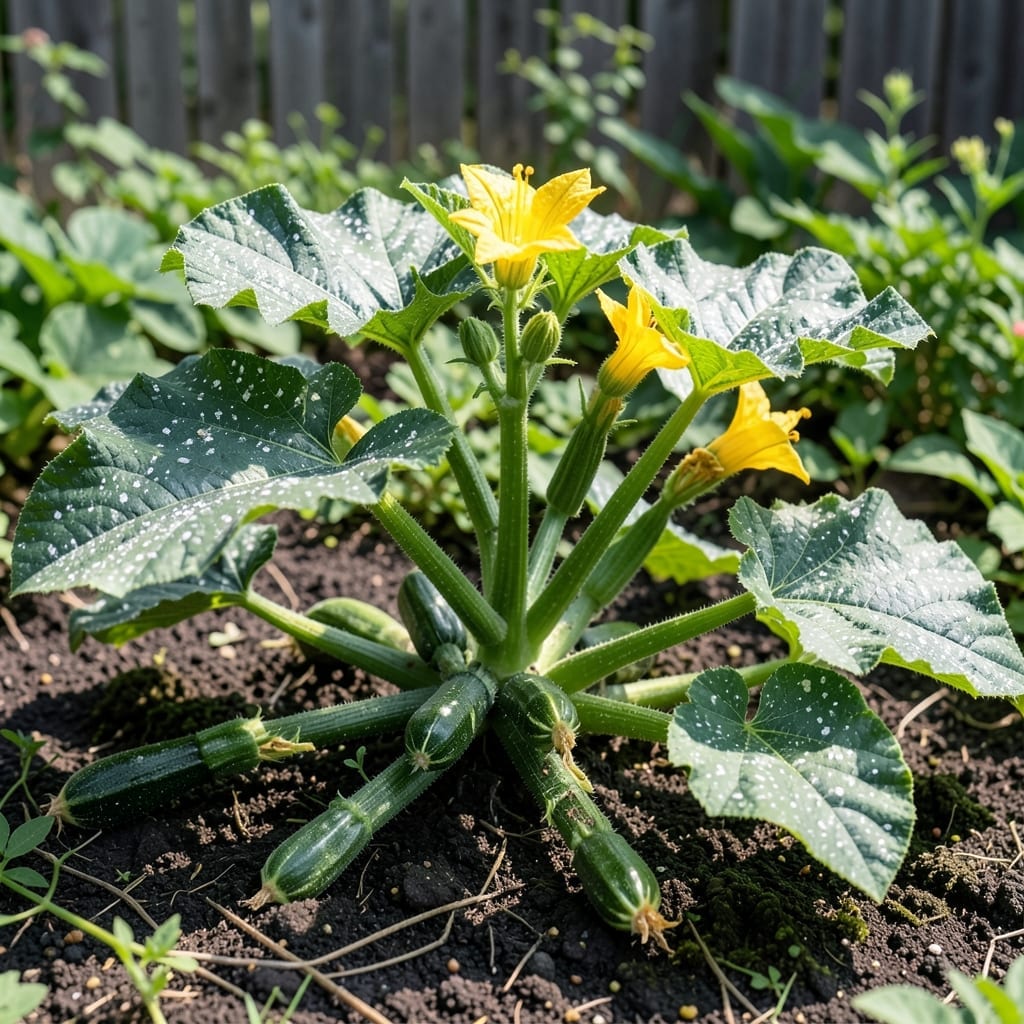
Powdery mildew is generally not toxic to humans but can trigger allergic reactions in sensitive individuals. Ingesting affected plants is not recommended, though skin contact may cause irritation.
I’ve learned that while it’s not poisonous, the fungal spores can provoke respiratory issues or skin rashes in those with sensitivities. This is especially true for gardeners with prolonged exposure. 🔥
What’s more, consuming contaminated produce might upset your stomach, even if it’s not life-threatening. Always wash hands after handling infected plants.
💡 In This Article
Powdery mildew produces microscopic spores that become airborne, entering the respiratory system where they can trigger immune responses. These spores contain proteins recognized as foreign by the body, prompting the release of histamine. For individuals with asthma or allergies, this can manifest as wheezing, coughing, or nasal congestion within 15-30 minutes of exposure.
The fungal hyphae also release volatile organic compounds that may irritate sensitive airways. 🔥
The fungal structure itself contains chitin, a polysaccharide that some immune systems overreact to. In lab tests, exposure to 10,000 spores/m³ caused measurable airway inflammation in test subjects. Those with compromised immune systems, such as chemotherapy patients, may experience more severe reactions.
Skin contact can lead to contact dermatitis, appearing as red, itchy patches within 6-12 hours of direct contact. ✨
What makes powdery mildew particularly problematic is its ability to thrive in both dry and humid conditions. The spores germinate at temperatures between 60-80°F, making them pervasive in many climates. Unlike toxic molds that produce mycotoxins, powdery mildew’s primary danger comes from its allergenic potential rather than direct poisoning.
This distinction is crucial for understanding appropriate safety measures. 💫
Long-term exposure in gardeners has been linked to chronic sinusitis and reduced lung function in some studies. The risk increases with the duration of exposure – those working 4+ hours daily in infected gardens showed 2-3x higher incidence of respiratory symptoms compared to the general population.
Children and elderly individuals often exhibit heightened sensitivity due to developing or weakened immune systems. ⚡
Interestingly, the severity of reactions varies by mildew species. Erysiphe cichoracearum, common on cucumbers, tends to cause milder reactions than Podosphaera xanthii found on squash. This variation explains why some gardeners report no issues while others experience significant discomfort. Proper identification and management become essential for those with known sensitivities. 🌟
Direct skin contact may cause red, itchy rashes in sensitive individuals. This reaction typically appears within 6-12 hours and is more common in those with existing allergies. Always wash hands thoroughly after handling infected plants.
While not poisonous, consuming affected produce isn’t recommended. The fungal growth can cause stomach upset and may contain allergenic compounds. Wash all produce carefully, but discard heavily infected items.
Individuals with asthma, allergies, or weakened immune systems face higher risks. Children and the elderly may also experience more severe reactions. Those working 4+ hours daily in infected gardens show greater symptom incidence.
Respiratory symptoms like coughing or wheezing may develop within 15-30 minutes of inhaling spores. Skin reactions typically take longer, appearing within 6-12 hours of direct contact.