
Beautiful Plants For Your Interior
Beautiful Plants For Your Interior
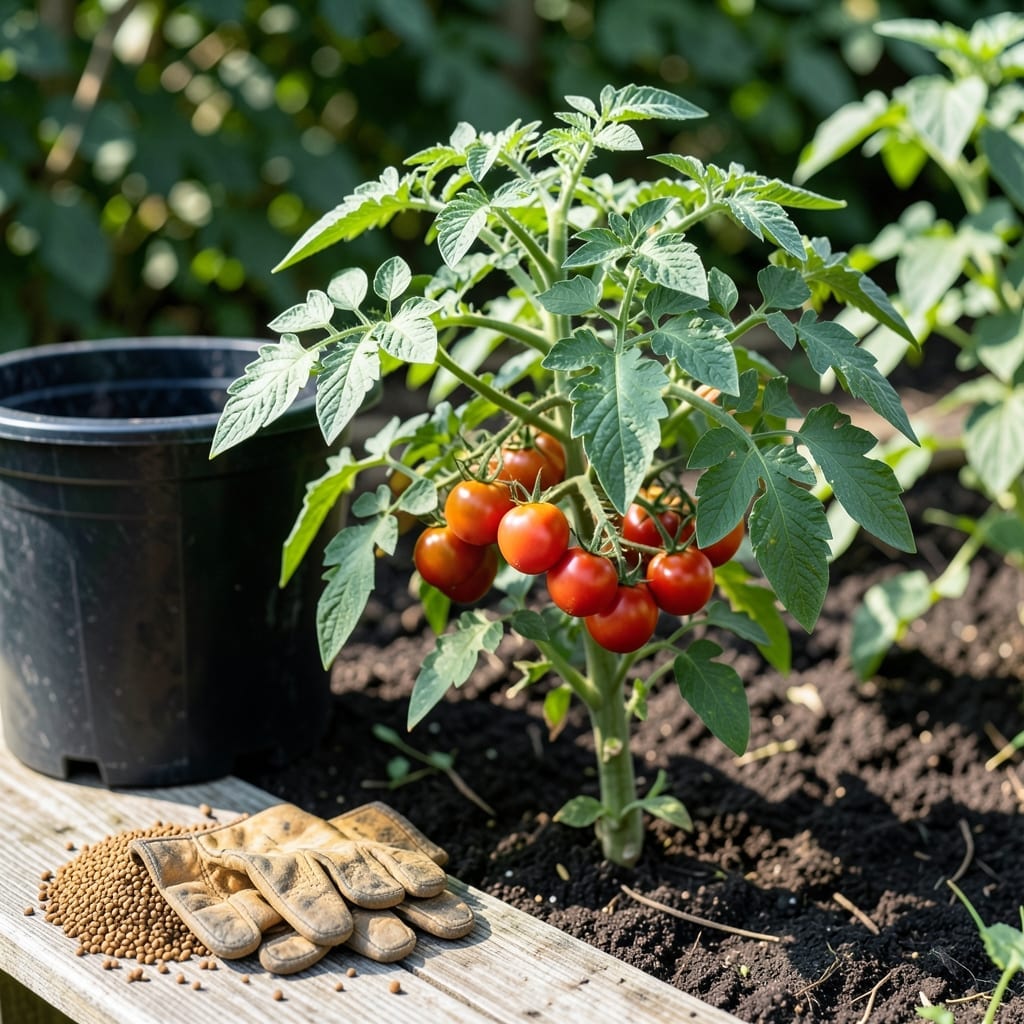
Using raw human waste as fertilizer can spread harmful pathogens and parasites, posing serious health risks. Properly composted and treated humanure can be safe and effective for non-edible plants.
I’ve seen firsthand how untreated human waste can contaminate soil with E. coli or norovirus, creating long-term hazards. 🔥 The key difference lies in proper composting, which requires high heat over months to neutralize threats. Even then, I’d only ever use it for ornamental plants, never food crops.
💡 In This Article
Raw human waste contains dangerous microorganisms that thrive in untreated conditions. Pathogens like E. coli, Salmonella, and norovirus can survive for months in soil, while parasitic eggs from roundworms or tapeworms may remain viable for years.
These organisms don’t just stay put—they can leach into groundwater or be carried by rainwater to contaminate nearby water sources. 🔥
Direct contact isn’t the only risk. Inhaling dust from contaminated soil can expose you to airborne pathogens, and children or pets playing in the garden face even higher vulnerability.
Studies show that 1 gram of feces can contain up to 10 million viruses, with some like hepatitis A remaining infectious for over 30 days in soil. ✨
The environmental impact extends beyond immediate health concerns. Nitrogen and phosphorus in raw waste can create nutrient imbalances that harm plant growth while polluting waterways. Unlike cow manure, which has a C:N ratio of about 20:1, fresh human waste sits at 6:1, causing ammonia toxicity that burns plant roots. 💫
Soil structure suffers too. The high salt content in urine can increase soil salinity, while the acidic nature of fresh waste (pH 6.0-7.5) may alter pH levels over time. This creates an inhospitable environment for beneficial soil microbes that plants depend on for nutrient uptake. ⚡
Long-term use of untreated waste leads to bioaccumulation of heavy metals and pharmaceutical residues. Antibiotics in human waste can foster resistant bacteria in soil, while hormones from birth control or other medications may disrupt plant growth patterns. These persistent compounds remain active far longer than the organic matter itself decomposes. 🌟
Raw waste often contains harmful pathogens like E. coli and norovirus that can survive in soil for months. These can contaminate water sources and pose serious health risks to humans and pets.
Proper composting requires 12-24 months of aging. The pile must reach temperatures of 131-160°F for at least 1 week to ensure pathogens are destroyed.
No, even properly composted humanure should only be used on non-edible plants. For edible crops, stick to traditional compost or commercial fertilizers to avoid any risk of contamination.
Yes, systems like Clivus Multrum or Sun-Mar toilets are designed for safe humanure composting. They manage the process effectively but always check local regulations first.