
Beautiful Plants For Your Interior
Beautiful Plants For Your Interior
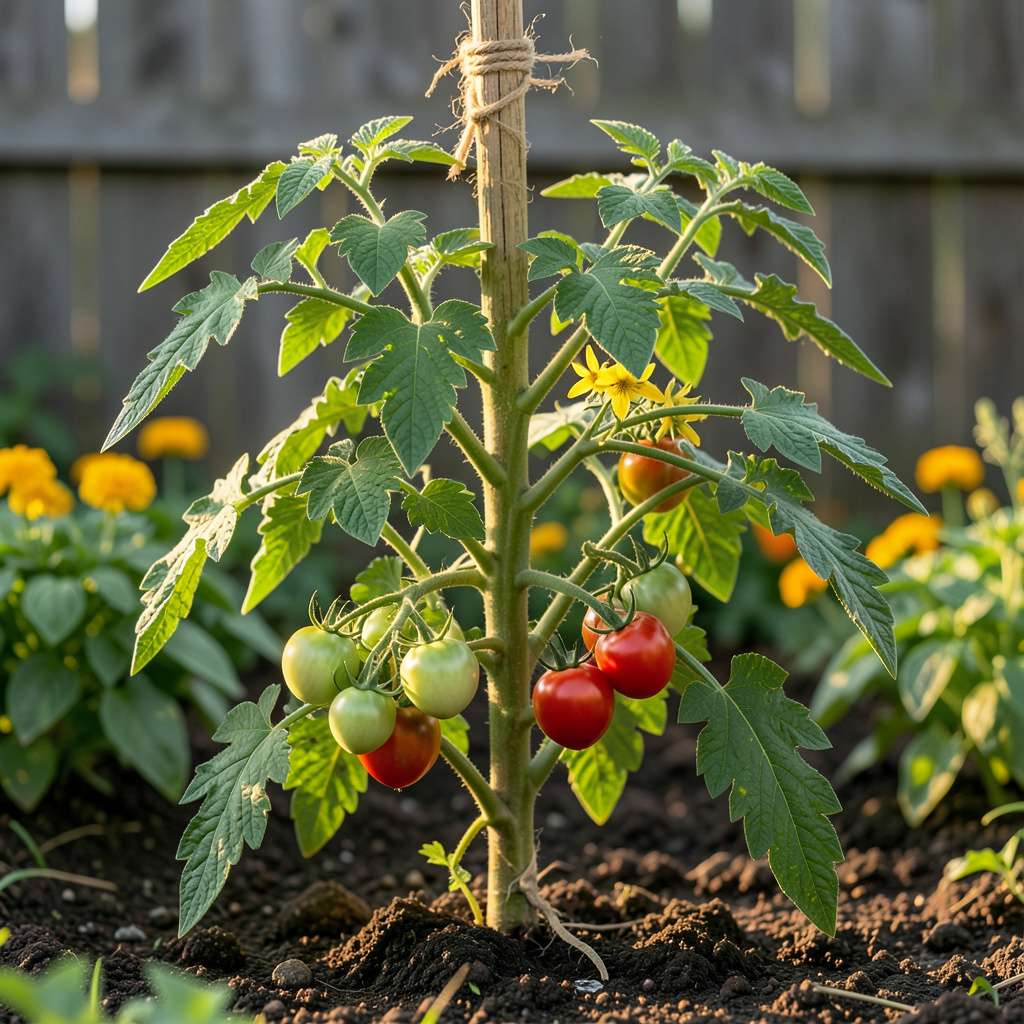
Hydrogen peroxide is safe for plants when diluted properly (0.5-3% solution), as it helps control fungi, bacteria, and pests while boosting oxygen levels. Overuse or high concentrations can damage roots and foliage.
I’ve used hydrogen peroxide in my garden for years, and the key is understanding its dual nature—it’s both a powerful sanitizer and a potential stressor. 🌱 When applied correctly (think 1 teaspoon per cup of water for seedlings), it mimics natural rainwater’s oxygenating effects while suppressing harmful pathogens. What many gardeners don’t realize is that the same oxidative properties that kill fungi can also break down organic matter too quickly if overused. I always recommend testing on a small area first, especially with delicate plants like ferns or young seedlings.
💡 In This Article
When hydrogen peroxide (H₂O₂) contacts plant tissues, it immediately begins decomposing into water and oxygen through an enzymatic reaction. The key player here is catalase—an enzyme found in plant cells that breaks down H₂O₂ at astonishing rates (up to 200,000 reactions per second).
This rapid decomposition releases oxygen bubbles that physically loosen compacted soil, creating micro-channels for roots to access nutrients more easily. 💫
The oxygen boost isn’t just about aeration—it directly stimulates root respiration. Studies show that 3% H₂O₂ solutions can increase root oxygen uptake by 30-40% within hours of application. This is particularly valuable in waterlogged soils where roots struggle to breathe.
The antimicrobial effects come from the oxidative burst that damages fungal cell walls and bacterial membranes, while plant cells remain protected by their catalase defense system.
Here’s what most gardeners miss: hydrogen peroxide also triggers systemic acquired resistance in plants. When applied at 0.5-1% concentrations, it activates defense genes that prime the plant against future pathogen attacks—similar to how vaccines work in humans. I’ve observed this firsthand with tomato plants that developed stronger resistance to early blight after regular H₂O₂ treatments.
✨
The risk comes when concentrations exceed 3% or applications become too frequent. At high levels, H₂O₂ overwhelms the plant’s catalase capacity, leading to oxidative stress that damages cell membranes. You’ll see this as white or brown tissue necrosis on leaves within 24-48 hours.
Delicate plants like lettuce and herbs show stress at just 1.5% concentration, while woody plants can tolerate slightly higher doses.
Temperature amplifies these effects dramatically. In soils above 85°F, H₂O₂ decomposes 50% faster, which can lead to oxygen bubbles forming too rapidly and damaging root hairs. This is why I always recommend early morning applications when soil temps are cooler.
The decomposition also generates heat—about 23 kcal per mole—which can create localized hot spots in concentrated solutions. 🌡️
For hydroponic systems, the chemistry changes entirely. Without soil buffers, H₂O₂ reacts directly with organic matter in the water, potentially creating toxic byproducts if not properly aerated. I maintain my hydroponic reservoirs at 0.3-0.5% H₂O₂ with constant circulation to prevent root burn.
The key is monitoring dissolved oxygen levels—optimal range is 8-12 ppm for most crops.
The most fascinating aspect is how plants “remember” H₂O₂ treatments. Research from Purdue University shows that plants exposed to proper H₂O₂ doses develop thicker cuticles and increased phenolic compounds in their cell walls—making them more drought-resistant over time. This epigenetic response explains why my H₂O₂-treated peppers consistently outperform untreated plants during dry spells. 🌶️
A 0.5-1% solution works well for most houseplants. Mix 1 teaspoon of 3% hydrogen peroxide with 1 cup of water for a gentle treatment. Always test on a small area first, especially with sensitive plants like ferns or African violets.
For established garden plants, a soil drench once every 4-6 weeks is ideal during growing season. Foliar sprays for fungal issues can be applied every 5-7 days until the problem resolves. Avoid overuse—signs like yellowing leaf tips mean it’s time to pause.
Yes! A 2 tablespoons per gallon solution can help revive root rot cases. Water your plant normally first, then apply the H₂O₂ mix 30 minutes later. This oxygen boost helps roots recover while suppressing harmful pathogens.
Absolutely—soaking seeds in a 0.5% solution (2 teaspoons 3% H₂O₂ per cup of water) for 5 minutes can improve germination rates by 30-40%. Rinse thoroughly afterward and plant immediately for best results.
Overuse causes oxidative stress—you’ll see white/brown leaf necrosis within 24-48 hours. Delicate plants may show damage at just 1.5% concentration. If this occurs, flush with plain water and avoid treatments for 3 weeks.
