
Beautiful Plants For Your Interior
Beautiful Plants For Your Interior
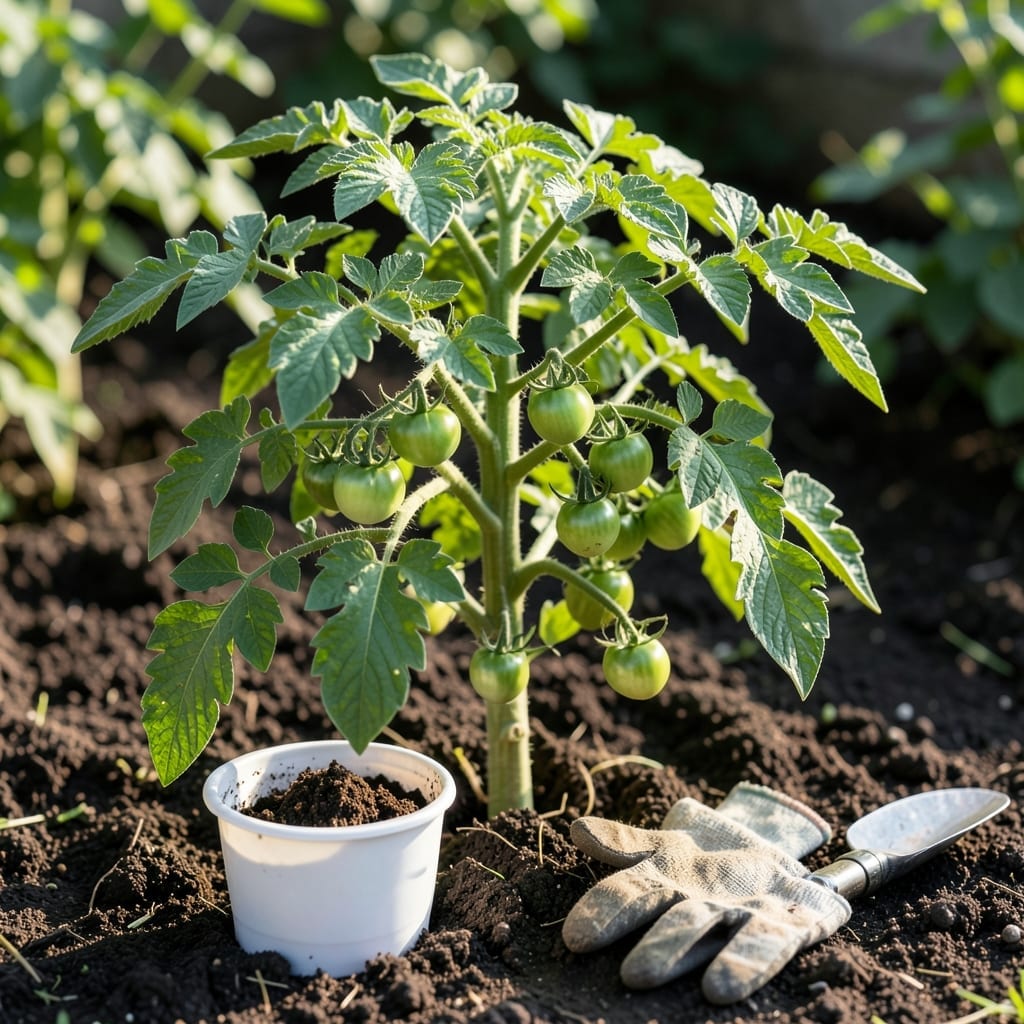
Many gardeners wonder if cat poop can serve as a natural fertilizer, but the answer isn’t as simple as yes or no. While it contains nutrients, improper use can harm your 🌱 General Plants and even pose health risks.
I’ve seen well-meaning gardeners make this mistake, only to watch their plants struggle. The issue goes beyond just plant health – there are serious safety concerns to consider for you and your household.
Discover why this common practice might be doing more harm than good. From hidden parasites to chemical imbalances, we’ll explore what makes cat waste different from other organic fertilizers.
Let me walk you through the key facts you need to know before deciding what to do with your feline friend’s waste. Your garden’s success might depend on it.
I often see gardeners tempted to use cat poop as fertilizer because it contains nitrogen and phosphorus. But fresh cat waste is one of the most dangerous organic materials you can add to soil.
Cat feces frequently carries the Toxoplasma gondii parasite, which can survive in soil for years. This parasite poses serious health risks to humans, especially pregnant women and those with weakened immune systems.
⚠️ Warning: Never use fresh cat poop in gardens, especially for edible plants. The Toxoplasma gondii parasite and high ammonia levels can harm both plants and human health.
Beyond parasites, cat urine and feces have extremely high ammonia concentrations that can burn plant roots and damage soil structure. This is particularly risky for delicate plants like lettuce or herbs.
The pH imbalance from cat waste can also create toxic soil conditions. Most garden plants thrive in neutral to slightly acidic soil, but cat waste can make soil too alkaline, locking out essential nutrients.
I’ve seen cases where gardeners applied cat litter compost too soon, only to watch their tomato plants wilt within days. The salt content in many commercial cat litters compounds these problems, creating a double threat to plant health.
Even if you avoid clumping litters, the pathogen risk remains. Studies show Toxoplasma gondii can survive in compost that doesn’t reach 145°F for 5 days, which most home compost piles never achieve.
For outdoor cats, their waste often contains additional contaminants from the environment. This makes wild cat poop even more unpredictable and potentially harmful than waste from indoor cats on a controlled diet.
The smell alone should be a warning sign. While all manure has an odor, cat waste produces particularly pungent ammonia that can indicate the presence of harmful compounds your plants don’t need.
I always recommend erring on the side of caution. The potential risks of using cat poop as fertilizer far outweigh any nutritional benefits, especially when safer alternatives exist. Your garden’s health and your family’s safety should always come first 🌱
I know many of you are looking for natural fertilizer options, but cat poop requires special handling to be safe. Unlike cow or horse manure, cat waste carries unique risks that demand caution.
If you’re determined to use it, hot composting is the only safe method. This means maintaining a compost pile at 140-160°F for at least 6 months to kill pathogens.
Remember, even after composting, never use it on vegetables or herbs. The risk of Toxoplasma gondii contamination remains too high for edible gardens.
For flower beds, mix the fully composted material into the top 6 inches of soil before planting. This gives plants access to nutrients while minimizing contact with the compost itself.
I always recommend testing your compost before use. A simple home test kit can check for remaining pathogens and ensure it’s safe for your garden.
While this method works, I honest find it more trouble than it’s worth. There are safer, more effective organic fertilizers available that don’t require such careful handling.
🌱