
Beautiful Plants For Your Interior
Beautiful Plants For Your Interior
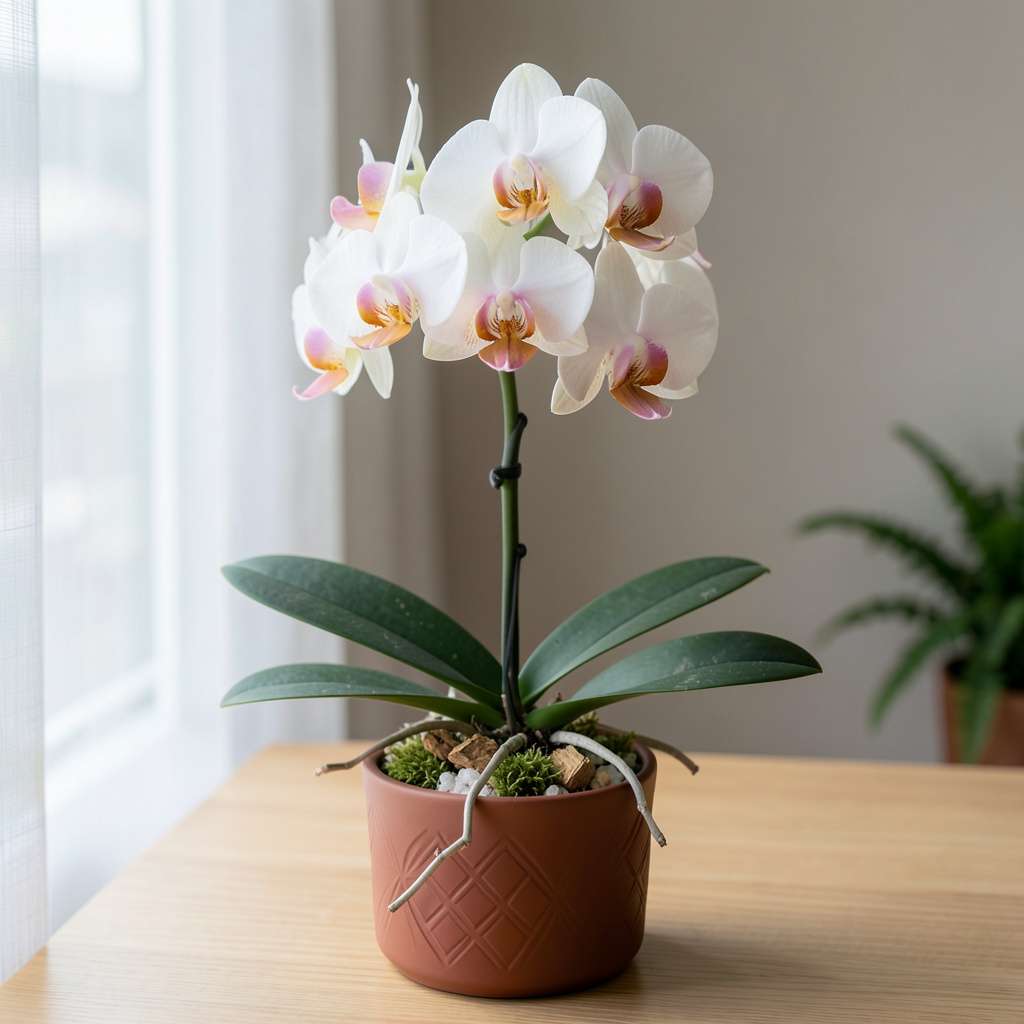
Yes, an orchid is a flower. It belongs to the Orchidaceae family and produces colorful blooms, making it botanically classified as both a plant and a flower.
Orchids are fascinating due to their unique biological features. 🌸 They have specialized structures that aid in reproduction, which distinguishes them from many other flowering plants. Their vibrant colors and intricate shapes are not just for show; they play crucial roles in attracting specific pollinators, ensuring their survival in diverse environments.
In gardening, orchids require specific care compared to more common flowers like roses. 🌼 While they can be more challenging to cultivate, their exotic appearance and longevity make them a popular choice for enthusiasts looking to add elegance to their collections. Understanding these nuances can help you appreciate the beauty and complexity of orchids even more! 🔥
💡 In This Article
Understanding orchids requires delving into their classification within botanical science. Orchids belong to the family Orchidaceae, one of the largest plant families, comprising over 25,000 species. This diversity showcases their adaptability and evolutionary success as flowering plants, or angiosperms. 🌺
From a scientific perspective, orchids are characterized by their unique reproductive structures, specifically the presence of a specialized petal known as the labellum. This petal serves as a landing platform for pollinators, facilitating reproduction.
The intricate shapes and vibrant colors of orchid flowers are not mere aesthetics; they are evolutionary adaptations designed to attract specific pollinators like bees, moths, and butterflies. 🦋
The pollination process in orchids is fascinating and often involves complex mechanisms. Some orchids employ mimicry, resembling the appearance or scent of female insects to lure male pollinators. This method ensures efficient pollen transfer, a crucial aspect of their reproductive cycle.
For instance, the bee orchid mimics a female bee’s scent, tricking male bees into attempting to mate, thereby facilitating pollination. 🔄
Orchids also exhibit a unique growth habit compared to other flowering plants. Many species are epiphytic, meaning they grow on other plants rather than in soil. This adaptation allows them to access sunlight and moisture in dense forest environments.
Their roots are equipped with specialized structures called velamen, which absorb water and nutrients from the air and rain. This adaptation highlights their remarkable ability to thrive in various habitats. 🌳
Understanding these characteristics not only enriches our appreciation of orchids but also informs how we care for them in gardening. Their specific needs—such as humidity levels, light exposure, and watering frequency—are essential for successful cultivation.
By recognizing their unique biology, we can better meet their requirements and enjoy their stunning beauty in our homes and gardens. 🌼
