
Beautiful Plants For Your Interior
Beautiful Plants For Your Interior
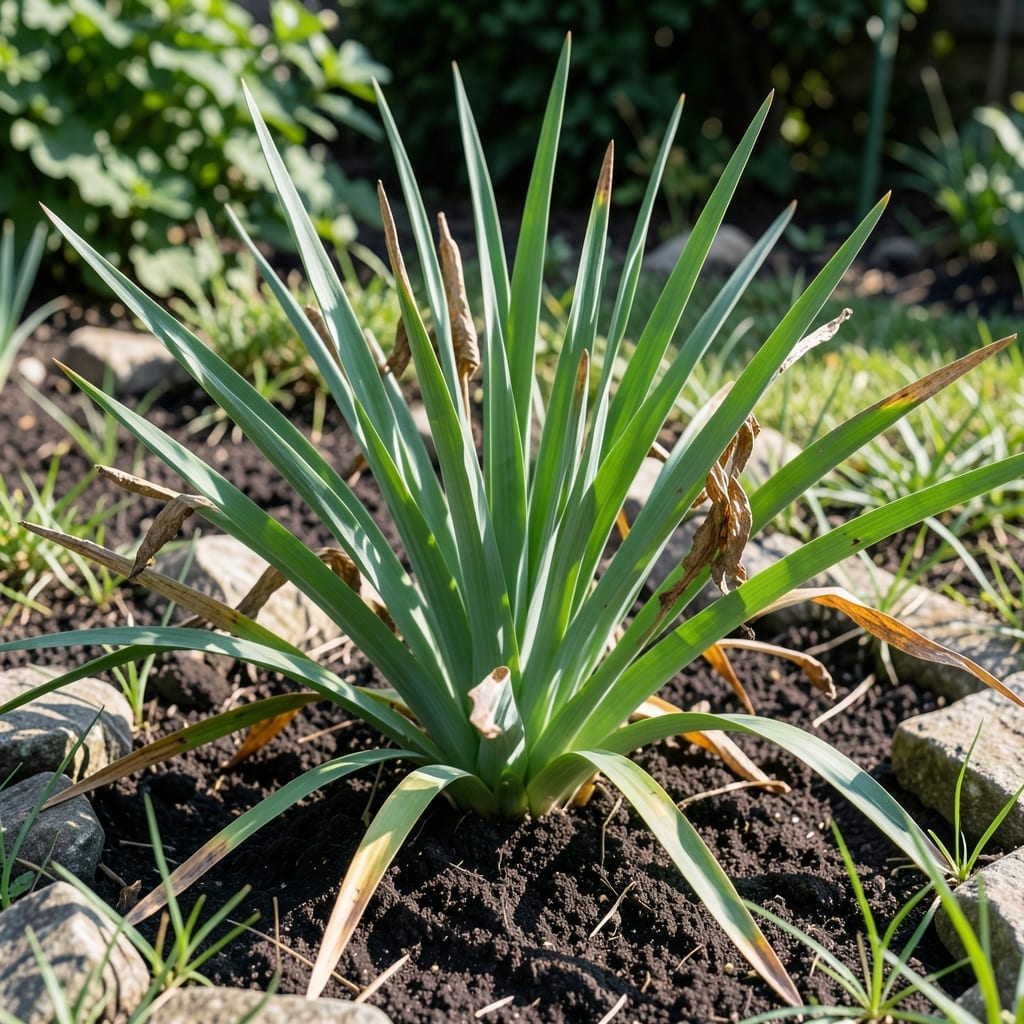
My irises sat there green and leafy for 3 years before I figured out why they refused to bloom. Turns out, they were drowning in too much shade and starving in the wrong soil.
Here’s the thing—irises need 6+ hours of direct sunlight and well-draining soil to put energy into flowers instead of just leaves. Most people plant them too deep or in spots that stay soggy after rain.
Once I moved them to a sunnier bed with better drainage, they exploded with blooms the next spring. The difference was shocking.
Fair warning: if you’ve divided them recently, they might need a season to recover. Patience pays off with these.
Several factors can prevent irises from blooming, and understanding the root cause is the first step to reviving their vibrant colors. Here are the most common reasons:
Irises thrive in full sun, requiring at least 6-8 hours of direct sunlight daily. Without adequate light, the plants focus on foliage growth rather than flower production. Shaded areas or competition from taller plants can block the necessary light. Solution: Relocate the irises to a sunnier spot or trim nearby obstructions.
Irises prefer well-draining soil with a neutral to slightly acidic pH (6.8-7.0). Heavy, waterlogged, or overly fertile soil can stress the rhizomes, leading to poor blooming. Compacted soil restricts root growth, while excessive nitrogen promotes leafy growth at the expense of flowers. Solution: Amend the soil with compost and ensure proper drainage.
When irises are left undivided for too long, their rhizomes become overcrowded, competing for nutrients and space. This weakens the plants and reduces flowering. Solution: Divide clumps every 3-4 years in late summer to rejuvenate the plants.
Many iris varieties, especially bearded irises, require a cold dormancy period (temperatures below 40°F for 8-10 weeks) to trigger blooming. Mild winters or mulching too early can disrupt this cycle. Solution: Avoid excessive winter mulch and ensure the plants experience natural cold periods.
Irises are drought-tolerant but need consistent moisture during their growth phase (spring). Overwatering, especially during dormancy, can rot the rhizomes, while underwatering stresses the plants. Solution: Water deeply but infrequently, allowing the soil to dry slightly between waterings.
If your irises aren’t blooming, these targeted fixes can bring them back to life. Address the root causes with these practical steps.
Irises thrive in well-draining, slightly acidic to neutral soil (pH 6.8–7.0). Test your soil with a kit and amend it as needed. Mix in compost or aged manure to improve fertility, and add sand or grit if drainage is poor. Avoid heavy clay or overly rich soils, which can stifle rhizomes.
Prevention tip: 💡 Replenish soil nutrients every spring with a light layer of low-nitrogen fertilizer (6-10-10).
Irises need 6–8 hours of full sun daily. If your plants are in shade, move them to a sunnier spot. Trim back nearby trees or shrubs blocking light. In hot climates, afternoon shade is fine, but morning sun is non-negotiable.
Prevention tip: 🎯 Plant new irises in the sunniest part of your garden from the start.
When irises get too dense, they compete for resources. Every 3–4 years, dig up clumps after blooming, discard old or diseased rhizomes, and replant healthy ones 12–24 inches apart. Trim leaves to 6 inches to reduce stress.
Prevention tip: ✨ Mark your calendar to divide irises in late summer for consistent blooms.
Keep soil evenly moist during growth but dry after blooming. Overwatering causes rot, while drought stresses plants. Water deeply once a week, letting the top inch dry between waterings. Use mulch to retain moisture without sogginess.
Prevention tip: 🌡️ Install a rain gauge to avoid overwatering during wet seasons.
Avoid high-nitrogen fertilizers, which promote leaves over flowers. Use a balanced 6-10-10 fertilizer in early spring and again after blooming. Scratch it lightly into the soil around rhizomes, but avoid direct contact.
Prevention tip: 💡 Skip fertilizer in late summer—irises need to harden off for winter.
They require 6-8 hours of direct sunlight daily. Without enough light, they’ll focus on leaves instead of blooms.
Avoid high-nitrogen fertilizers, as they promote foliage over flowers. Use a 6-10-10 balanced fertilizer in early spring.
Divide clumps every 3-4 years in late summer. This prevents overcrowding and rejuvenates the plants for better blooming next season.
Yes, soggy soil can rot rhizomes. Water deeply once a week, letting the top inch dry between waterings.