
Beautiful Plants For Your Interior
Beautiful Plants For Your Interior
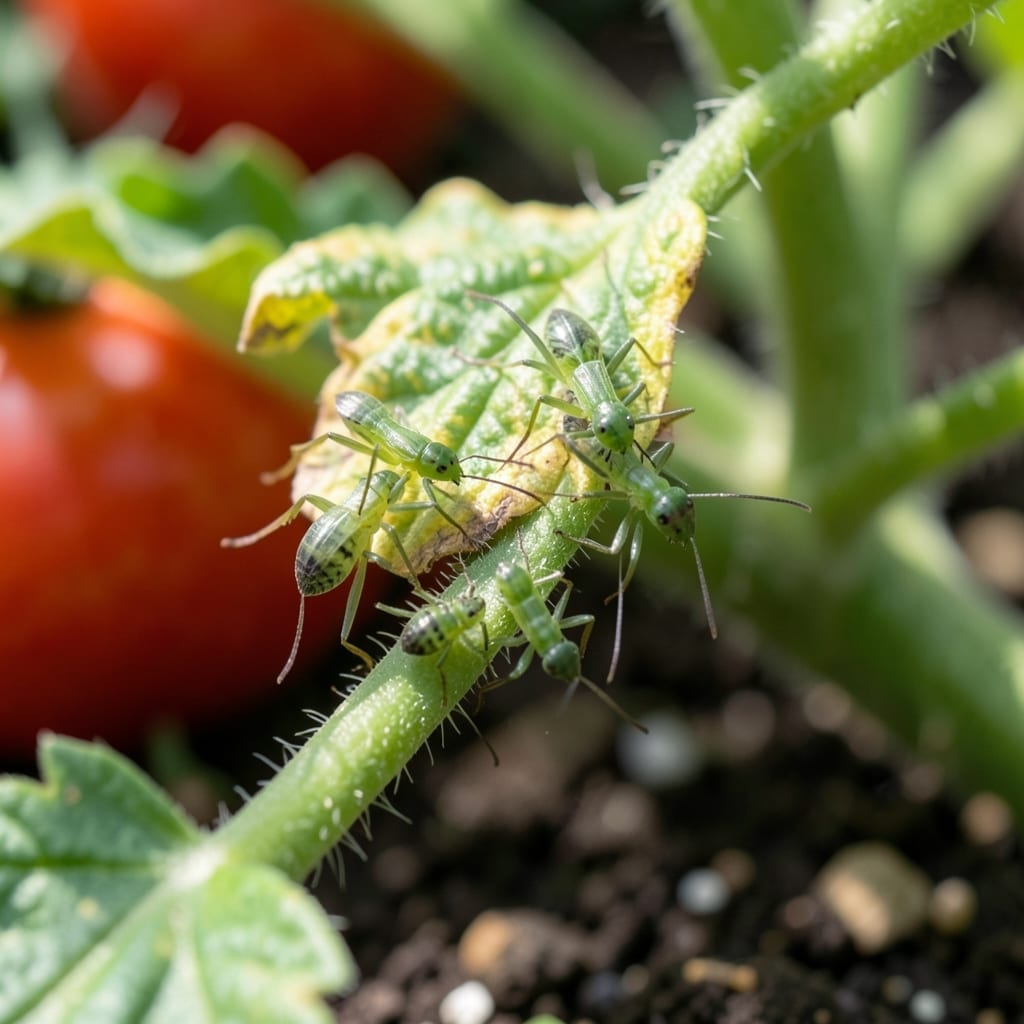
Watching bugs devour your plants is heartbreaking. I lost an entire row of kale to aphids last spring before learning this simple truth: prevention beats treatment every time.
Organic deterrents work by making plants less appealing to pests. Companion planting, neem oil sprays, and row covers create natural barriers that protect without chemicals.
Healthy soil grows stronger plants that resist damage better. Proper watering and spacing reduce stress that attracts insects in the first place.
Start with observation—identify the pest before acting. Most problems solve themselves with consistent care and the right organic tools.
Plants and insects have co-evolved over millions of years, leading to a complex relationship where insects often rely on plants as a primary food source. Here’s why this happens, broken down into key biological and ecological factors:
Insects feed on plants because they provide essential nutrients like carbohydrates, proteins, and vitamins. Herbivorous insects, such as caterpillars, aphids, and beetles, have specialized mouthparts designed to extract sap, chew leaves, or pierce plant tissues. Plants are rich in sugars (from photosynthesis) and amino acids, which are vital for insect growth and reproduction.
Plants often emit volatile organic compounds (VOCs) that act as chemical cues for insects. Some insects are attracted to these scents, which signal the presence of a suitable host plant. For example, the smell of freshly damaged leaves can lure in herbivores looking for an easy meal. This chemical communication is a natural part of the ecosystem’s balance.
While plants have developed defenses like toxic compounds (e.g., alkaloids, tannins) or physical barriers (e.g., thorns, waxy coatings), many insects have evolved ways to overcome these. Some insects, like monarch butterfly larvae, can sequester plant toxins to deter their own predators, turning a defense mechanism into an advantage.
Insects feeding on plants play a critical role in ecosystems by controlling plant populations, promoting biodiversity, and serving as a food source for higher trophic levels (e.g., birds, spiders). This natural predation ensures that no single plant species dominates an area, maintaining ecological harmony.
Understanding these causes helps gardeners and farmers implement targeted, organic deterrents to protect plants without disrupting the broader environment.
When insects start feasting on your plants, quick and effective action can save your garden. Below are targeted solutions for common causes, paired with prevention tips to keep your green space thriving.
Soggy soil attracts pests like fungus gnats and root maggots. Fix it: Let the top inch of soil dry out between waterings, and ensure pots have drainage holes. For existing infestations, use yellow sticky traps to catch adult gnats and introduce beneficial nematodes to the soil to target larvae.
Prevention tip: 💡 Use a well-draining potting mix with perlite or sand to discourage moisture-loving pests.
Plants under stress (from drought, nutrient deficiencies, or disease) are more vulnerable to insect attacks. Fix it: Strengthen plants with a balanced organic fertilizer or compost tea. Remove heavily infested leaves or stems to prevent the spread.
Prevention tip: 🌡️ Maintain consistent care—water deeply but infrequently, and mulch to retain moisture and regulate soil temperature.
Without beneficial insects like ladybugs, lacewings, or parasitic wasps, harmful pests multiply unchecked. Fix it: Introduce natural predators by planting companion flowers like marigolds, alyssum, or dill. You can also purchase ladybugs or lacewing larvae from garden centers.
Prevention tip: ✨ Avoid broad-spectrum pesticides, which kill beneficial insects along with pests.
Decaying plant matter and weeds provide breeding grounds for pests. Fix it: Regularly remove fallen leaves, spent blooms, and garden debris. Pull weeds by hand or use a hoe to disrupt pest life cycles.
Prevention tip: 🎯 Keep your garden tidy and rotate crops annually to reduce recurring infestations.
Aphids, caterpillars, and beetles top the list. Aphids suck sap from leaves, caterpillars chew through foliage, and beetles often target flowers and fruits.
Certain plants emit stronger chemical signals or offer more nutrients. Weak or stressed plants also release scents that lure pests looking for an easy meal.
Use row covers, introduce beneficial insects like ladybugs, or apply neem oil. Companion planting with repellent herbs can also deter pests naturally.
Act at the first sign of damage—early morning or late evening when pests are most active. Remove affected leaves immediately to prevent spreading.