
Beautiful Plants For Your Interior
Beautiful Plants For Your Interior
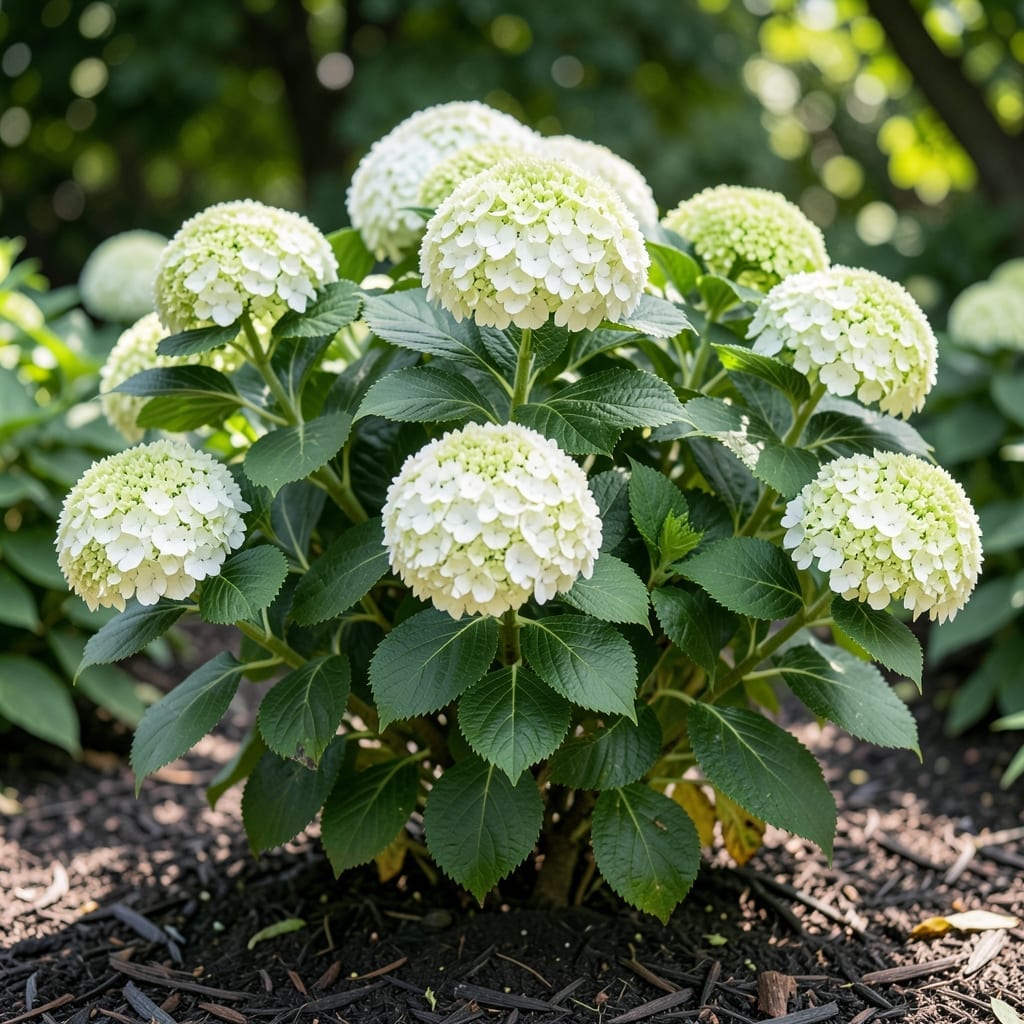
Picture this: a shrub that starts small but grows into a 4-5 ft stunner with snow-white blooms. That’s the Incrediball Hydrangea 🌸 for you. This hardy plant transforms your garden, but its growth rate depends on how well you care for it.
From planting to full maturity, its progress can surprise you. While it’s not the fastest grower, proper soil, sunlight, and pruning make all the difference. I’ll show you what to expect each year.
Whether you’re a new gardener or a seasoned pro, understanding its timeline helps you plan. Let’s dig into how to get the most impressive results with this beautiful shrub.


Watching an Incrediball hydrangea grow is like observing a slow-motion transformation. It starts small but steadily builds into a 4-5 ft tall shrub with stunning snow-white blooms. Understanding its timeline helps set realistic expectations for your garden.
This hardy shrub doesn’t rush—it takes about 3-5 years to reach full maturity. But with ideal conditions, you’ll see noticeable progress each season. I’ve broken down what to expect annually so you can track its development.
| Year | Height | Spread | Bloom Expectations |
| Year 1 | 1-2 ft | 1-2 ft | Small blooms possible |
| Year 2 | 3-4 ft | 3-4 ft | Moderate blooming |
| Year 3+ | 4-5 ft | 4-5 ft | Full, abundant blooms |
The first year is all about establishing roots, so don’t expect dramatic height. Focus on consistent watering and partial shade to help it settle. By Year 2, you’ll see faster growth as the root system strengthens.
Year 3 is when the magic happens. The shrub reaches near-mature size and produces larger blooms. This is when your patience starts to pay off with those iconic football-sized flower heads. 🌸
Beyond Year 3, growth slows but the blooms become more abundant and reliable. The shrub focuses its energy on producing those massive white flowers that make Incrediball so special. Proper pruning can help maintain its shape and encourage blooming.
Soil quality plays a huge role in growth rate. This hydrangea thrives in moist, well-draining soil with a slightly acidic pH. If your soil is poor, amending it with organic matter can significantly boost growth.
Sunlight exposure is another key factor. While it tolerates partial shade, too much shadow can slow growth. Aim for 4-6 hours of morning sun for the best results. This balance prevents leaf scorch while promoting healthy development.
I’ve found that regular feeding with a balanced fertilizer in early spring gives it the nutrients it needs. Avoid over-fertilizing, though, as this can lead to leafy growth at the expense of blooms. Stick to the recommended 10-10-10 formula.
Remember, these are general timelines. Your specific climate, soil, and care routine will influence your shrub’s growth rate. In warmer zones, you might see faster progress, while cooler climates could take a bit longer. 🌿
The Incrediball hydrangea growth rate isn’t set in stone. Several key factors can either speed up or slow down its development. Understanding these lets you create the ideal environment for your shrub to thrive.
From soil conditions to sunlight exposure, each element plays a role. I’ve seen firsthand how small adjustments can make a big difference in how quickly this hydrangea reaches its full potential.
Soil quality is the foundation. This hydrangea prefers moist but well-draining soil. Clay or sandy soils often need organic amendments to improve structure and nutrient retention.
The pH level matters more than many realize. A slightly acidic soil (pH 5.2-6.0) helps it absorb nutrients efficiently. I always test my soil before planting and amend if needed.
Watering habits also impact growth significantly. While this shrub likes consistent moisture, soggy conditions can stunt growth and lead to root rot. Aim for deep, weekly watering rather than frequent shallow sprinkles.
Sunlight is another critical factor. Too little sun results in spindly growth and fewer blooms. But too much, especially hot afternoon sun, can scorch leaves. The sweet spot is morning sun with afternoon shade.
Finally, avoid common mistakes like over-fertilizing or pruning at the wrong time. These can delay blooming and weaken the plant. Stick to early spring pruning and moderate feeding for best results. 🌿