
Beautiful Plants For Your Interior
Beautiful Plants For Your Interior
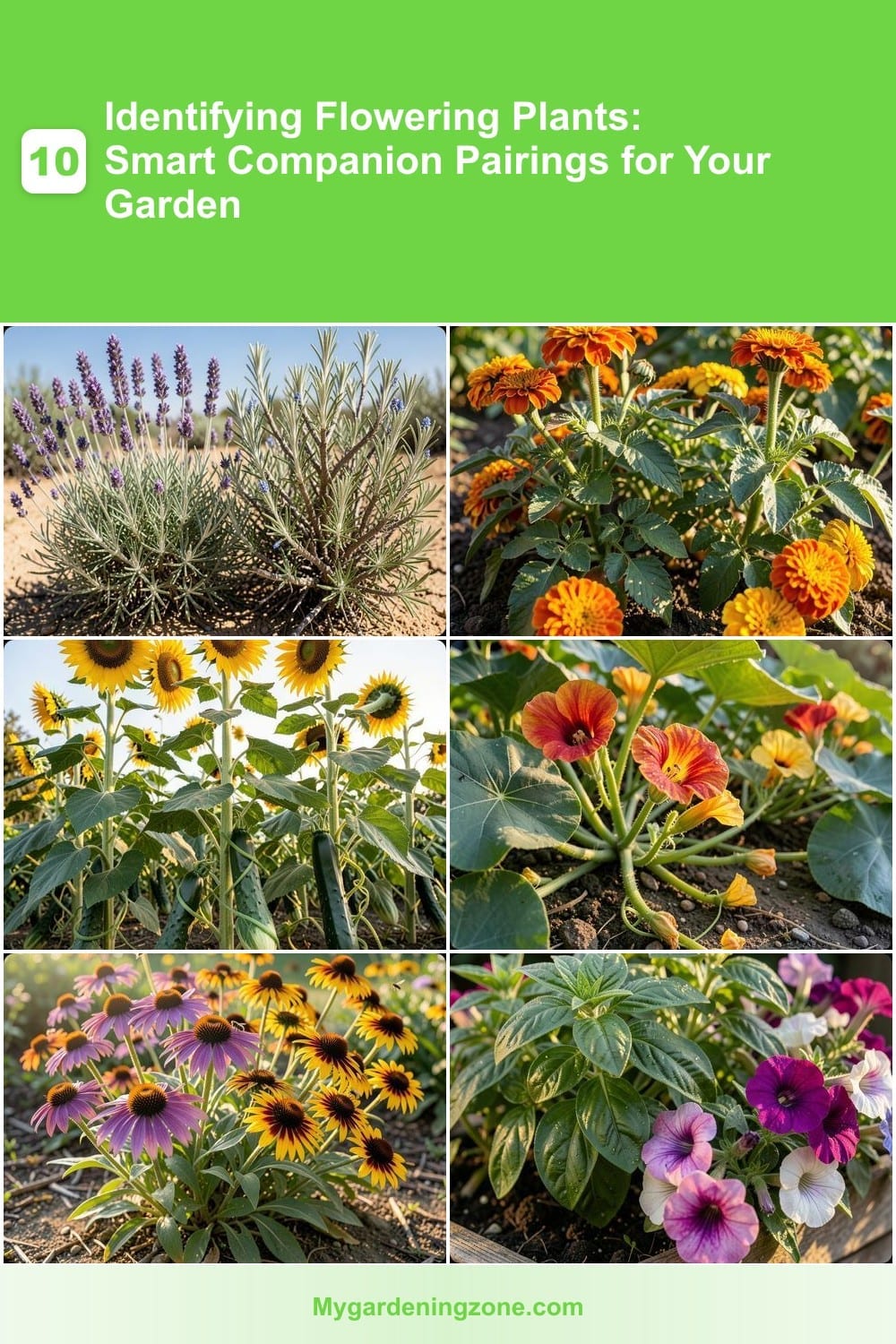
Struggling to identify flowering plants in your garden? This guide covers 10 beautiful blooms and their ideal companion pairings to maximize growth, deter pests, and create a thriving, visually stunning outdoor space.
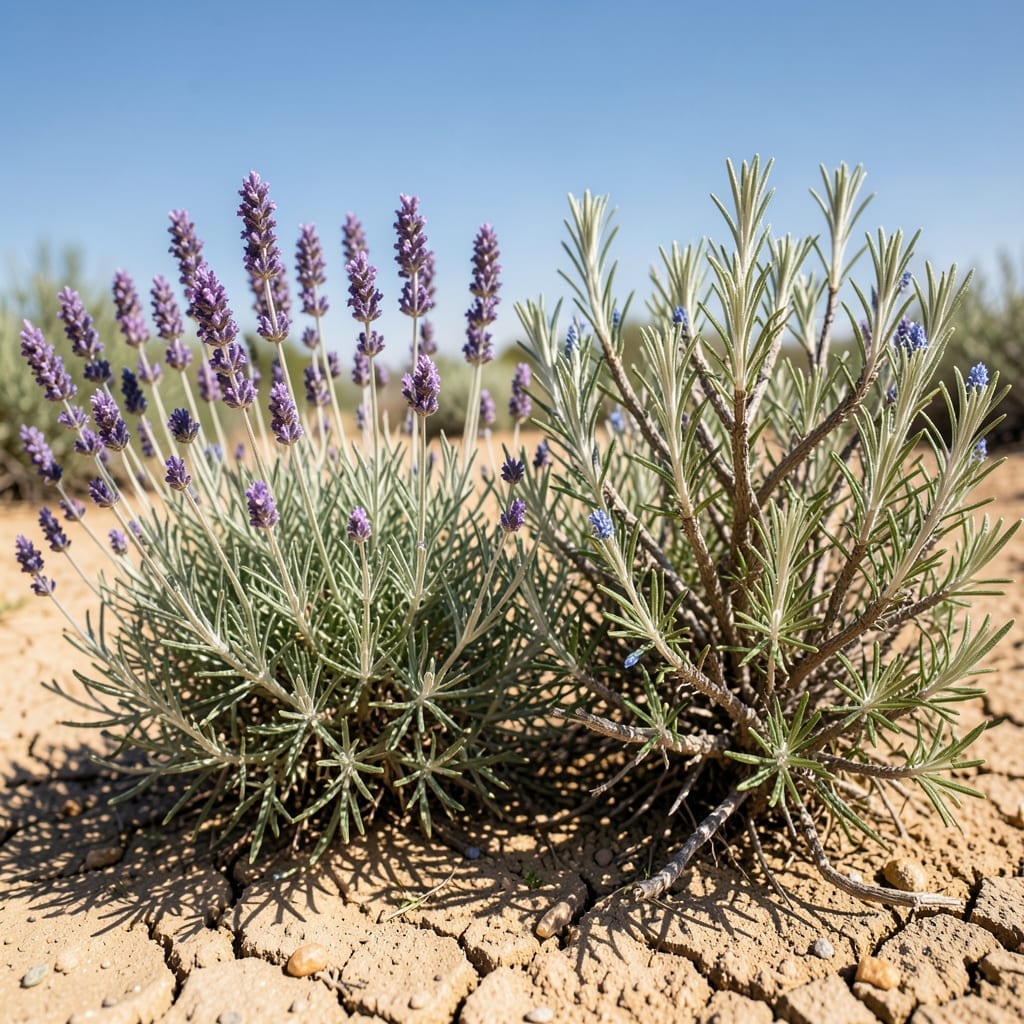
If your garden bakes in full sun with little rain, this power couple thrives where others wilt. Lavender and rosemary share a love for dry soil and minimal care, making them ideal for busy or forgetful gardeners.
Both plants release aromatic oils that deter pests like mosquitoes and deer while drawing in bees and butterflies. Their silvery-green foliage and purple blooms create a cohesive look, and they require no more than occasional pruning to maintain shape.
Perfect for rock gardens, borders, or containers, this duo asks only for well-draining soil and 6-8 hours of sunlight to reward you with beauty and resilience. 🌿
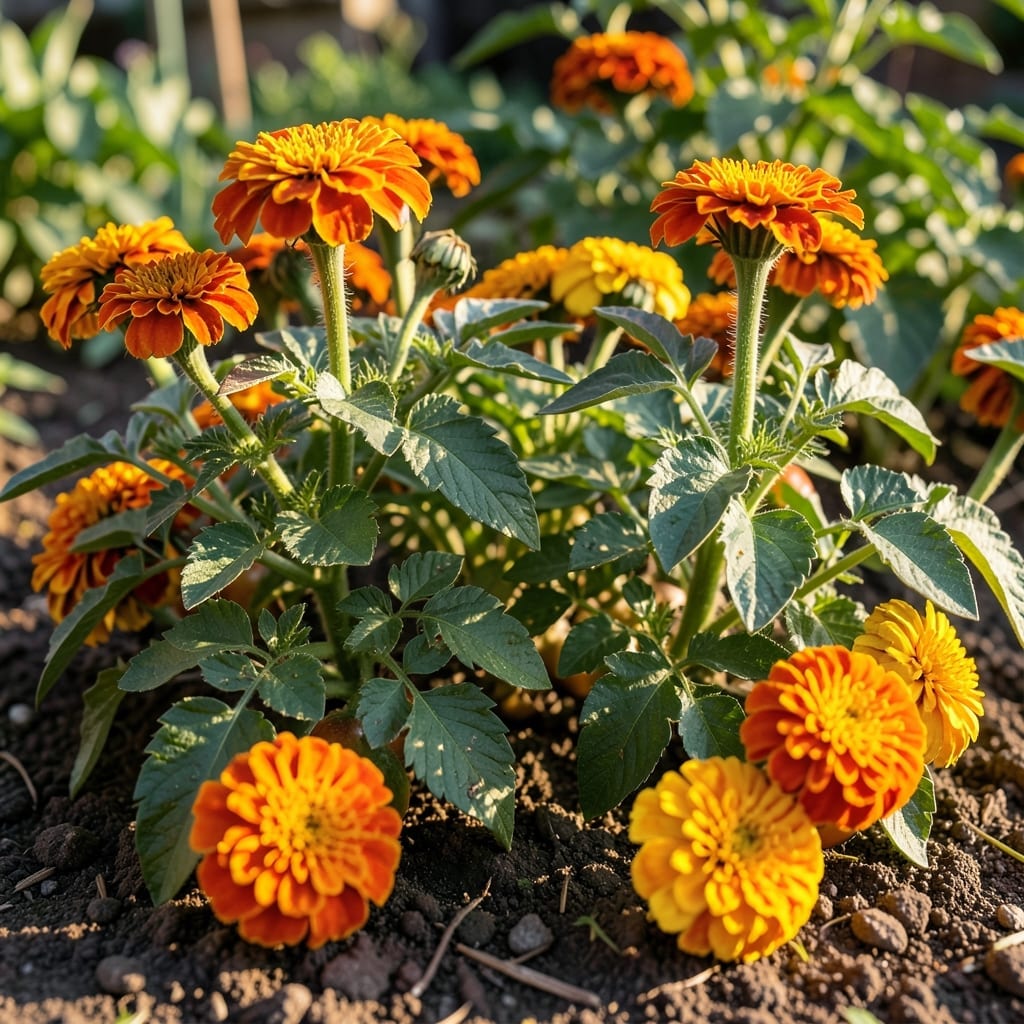
Tomato growers know the frustration of seeing whiteflies or wilted plants from nematodes—this pairing stops both in their tracks. Plant marigolds around your tomatoes to release natural chemicals that repel soil nematodes and deter flying pests.
Choose French marigolds for best results, spacing them 12 inches apart around tomato stems. Their bright blooms also attract pollinators, creating a thriving ecosystem while you enjoy bigger, healthier harvests.
This fuss-free combo works for gardeners at any level, especially those seeking organic pest control without chemicals. 🌻
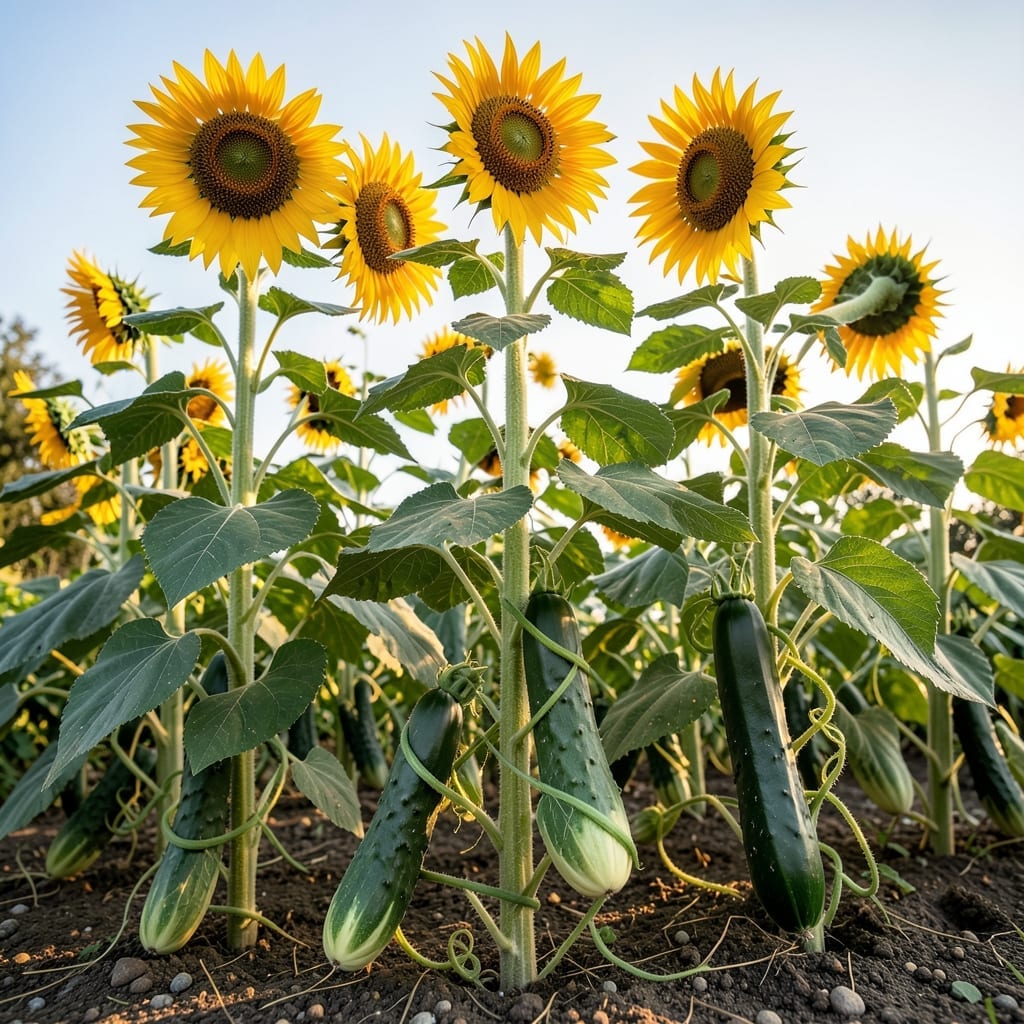
Tired of cucumber vines sprawling across your garden? Sunflowers offer a natural solution by serving as living trellises for climbing cucumbers, saving space while creating a striking vertical display.
These towering giants provide shade and support for cucumber vines, while their bright blooms attract bees and other pollinators that boost fruit set for both plants. Plant sunflowers first, then train cucumber vines to grow up their sturdy stems as they mature.
This pairing is perfect for gardeners who want to maximize space and pollination with minimal effort. 🌻
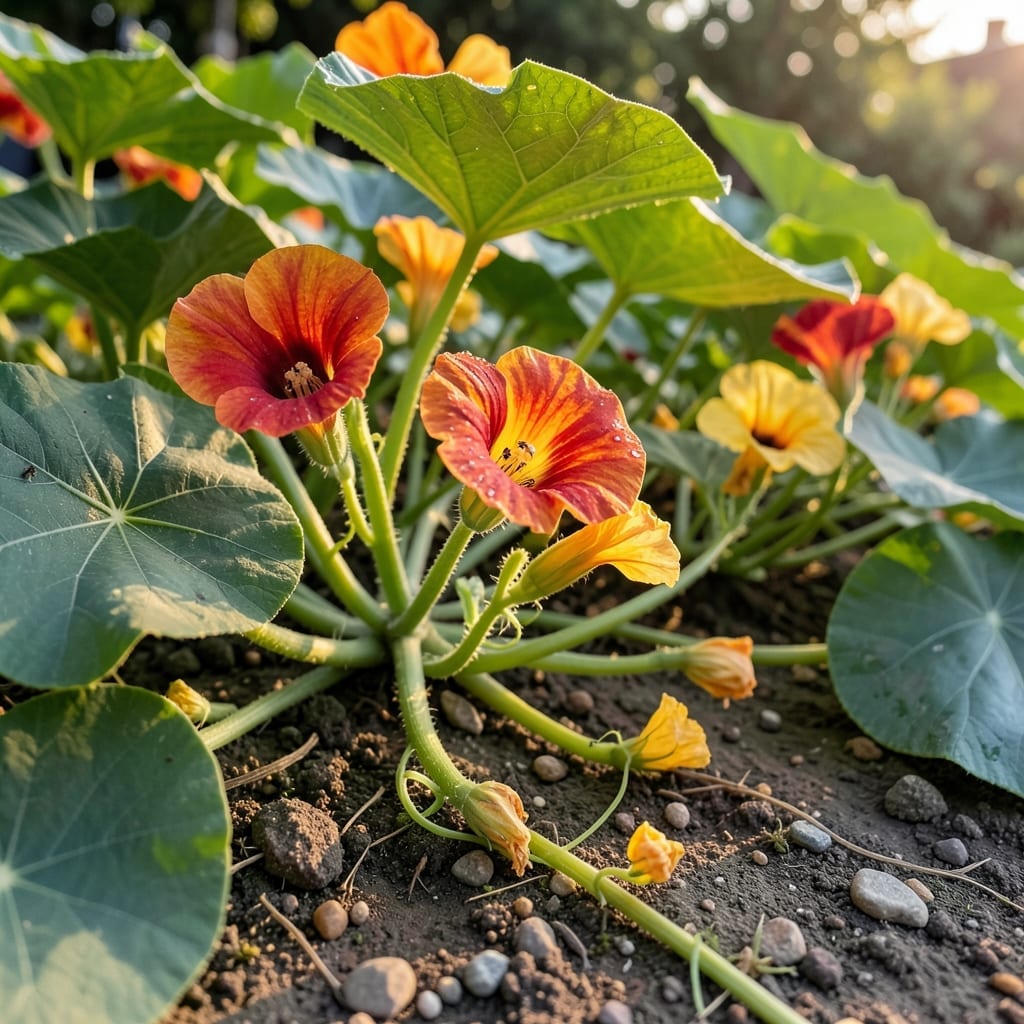
Tired of aphids wrecking your squash plants before you get a single harvest? Nasturtiums are your secret weapon, acting as a trap crop that lures aphids away from your prized zucchini and pumpkins.
These fast-growing, edible flowers produce vibrant blooms in red, orange, and yellow that are as beautiful as they are functional. The peppery flowers and leaves are a delicious addition to salads, making them a dual-purpose plant for both pest control and kitchen use.
Perfect for organic gardeners looking to reduce pesticide use while adding color and flavor to their space. 🌻
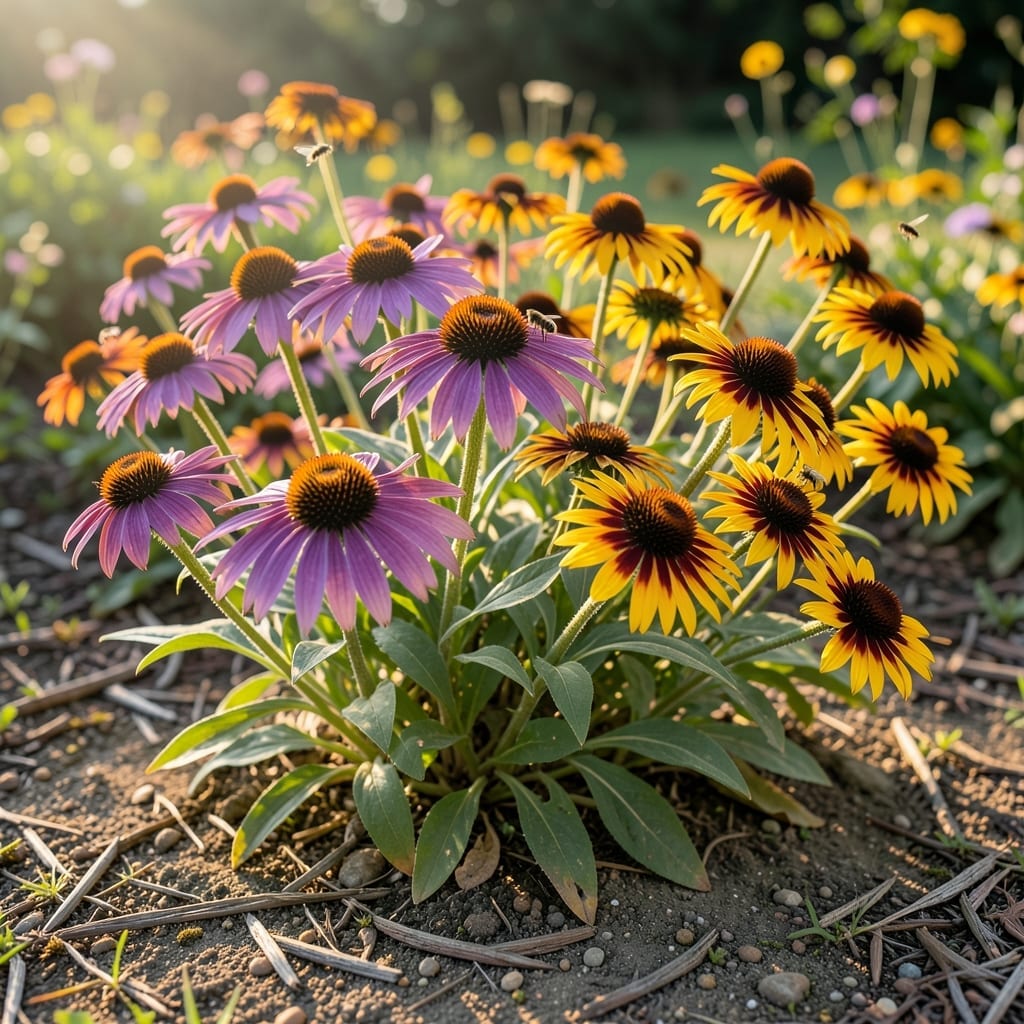
Want a pollinator magnet that keeps your garden buzzing all season? Pair Echinacea with black-eyed Susan for a vibrant, low-maintenance summer show that bees and butterflies can’t resist.
Both thrive in full sun to partial shade and well-draining soil, with similar water needs. Their complementary purple and golden blooms create a striking color contrast, while their long bloom times ensure continuous nectar from early summer to fall.
This combo is ideal for wildflower gardens, meadows, or any space where you want to support pollinators with minimal effort. 🌿
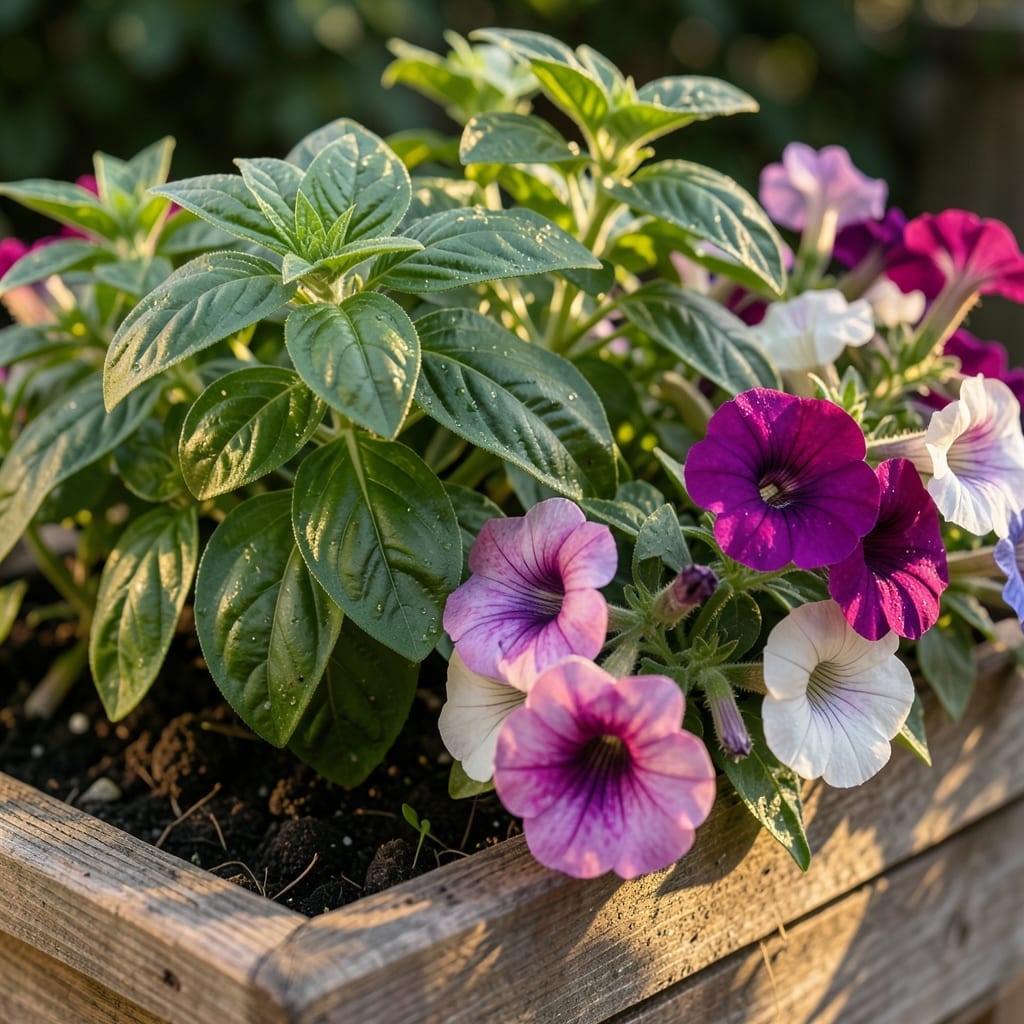
Looking to add both beauty and function to your herb garden? Pairing basil with petunias creates a winning combination that repels pests while adding vibrant color to your space.
The strong fragrance of basil naturally deters mosquitoes, flies, and even some garden pests, protecting your petunias. In return, petunias attract pollinators that can boost basil growth. Both thrive in well-draining soil and require consistent watering to keep them lush and blooming.
This duo is perfect for container gardens, window boxes, or herb beds where you want to maximize both aesthetics and utility. 🌿
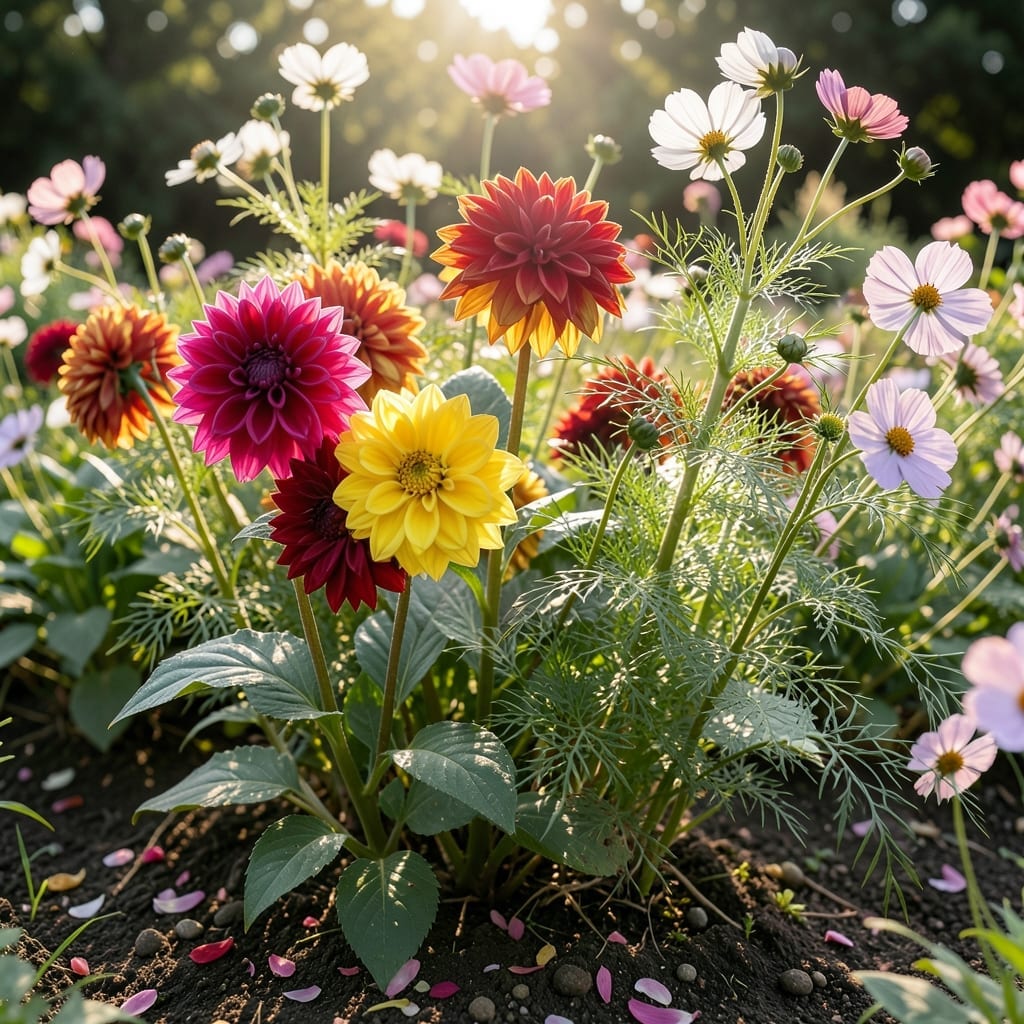
Create depth and drama in your garden by pairing the bold, dinner-plate blooms of dahlias with the feathery, airy foliage of cosmos. This combination adds both height and texture, turning any garden bed into a layered, professional-looking display.
Dahlias bring the wow factor with their vibrant, long-lasting flowers, while cosmos fill in the gaps with their delicate, daisy-like blossoms and fine foliage. Both thrive in full sun and well-drained soil, making them a foolproof pairing for summer and fall gardens.
Ideal for cottage-style gardens or cutting beds, this duo ensures a continuous blooming season with minimal maintenance. 🌷
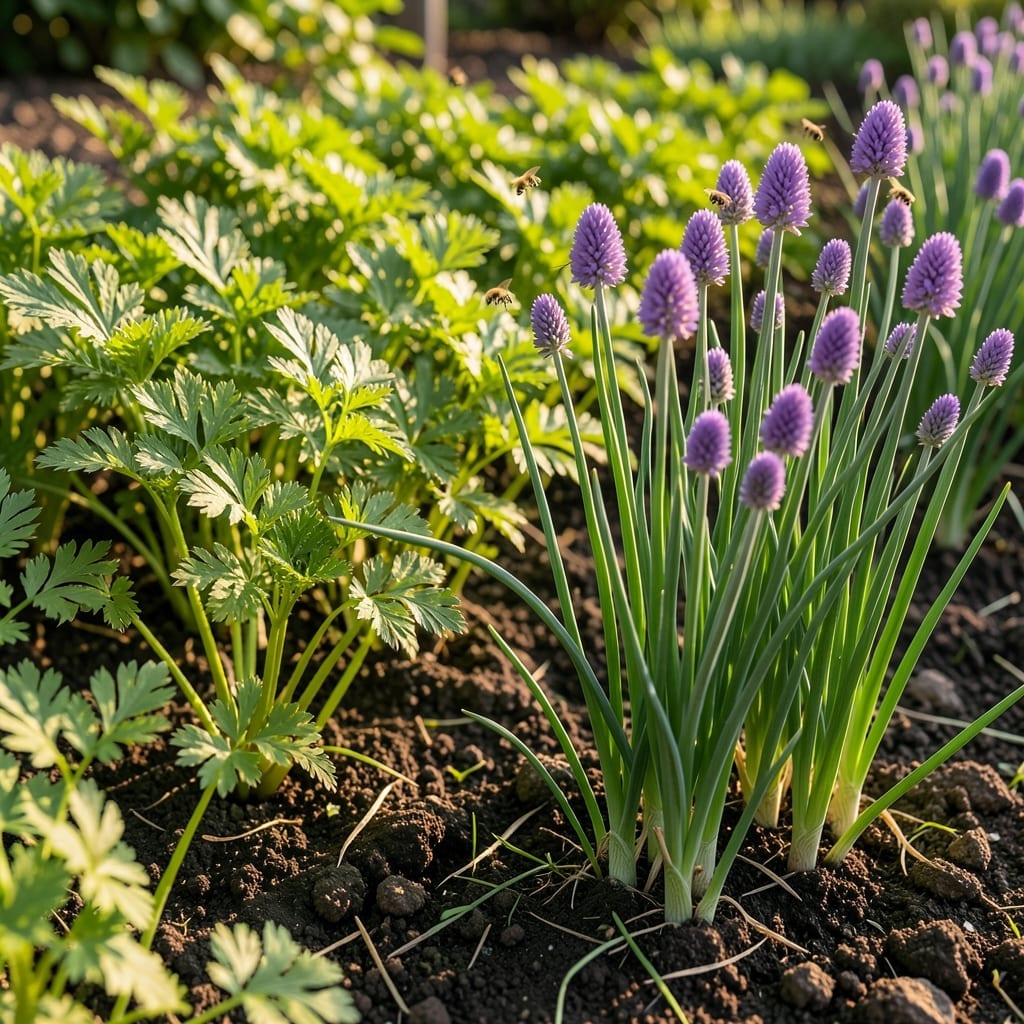
Struggling with carrot flies ruining your harvest? Plant chives alongside your carrots to naturally repel these pests with their strong, onion-like scent.
The purple pom-pom flowers of chives add a charming, decorative element to your vegetable patch while attracting pollinators. Chives are low-maintenance, thriving in well-drained soil and full sun to partial shade, making them easy to grow alongside carrots.
This pairing is perfect for organic gardeners looking to protect their crops naturally while enhancing the visual appeal of their space. 🌿
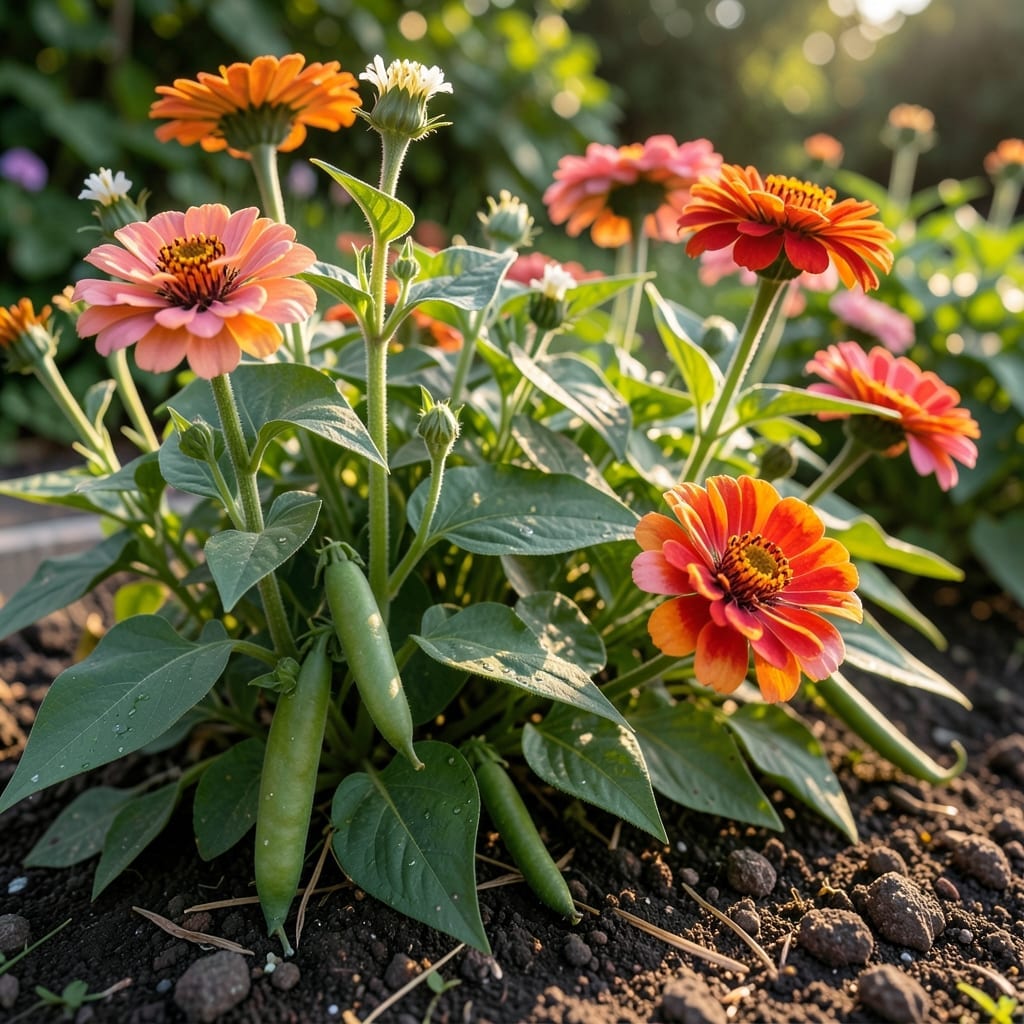
Want to boost both your zinnia blooms and bean harvests? This dynamic duo creates a self-sustaining cycle where each plant helps the other thrive without extra effort from you.
Beans fix nitrogen in the soil, feeding the heavy-feeding zinnias, while the zinnias’ bright, long-lasting blooms attract bees and other pollinators that help bean plants set more pods. Plant beans first, then add zinnias once the soil is warm.
This pairing is perfect for gardeners who want continuous color and a bumper crop of beans with minimal maintenance. 🌻
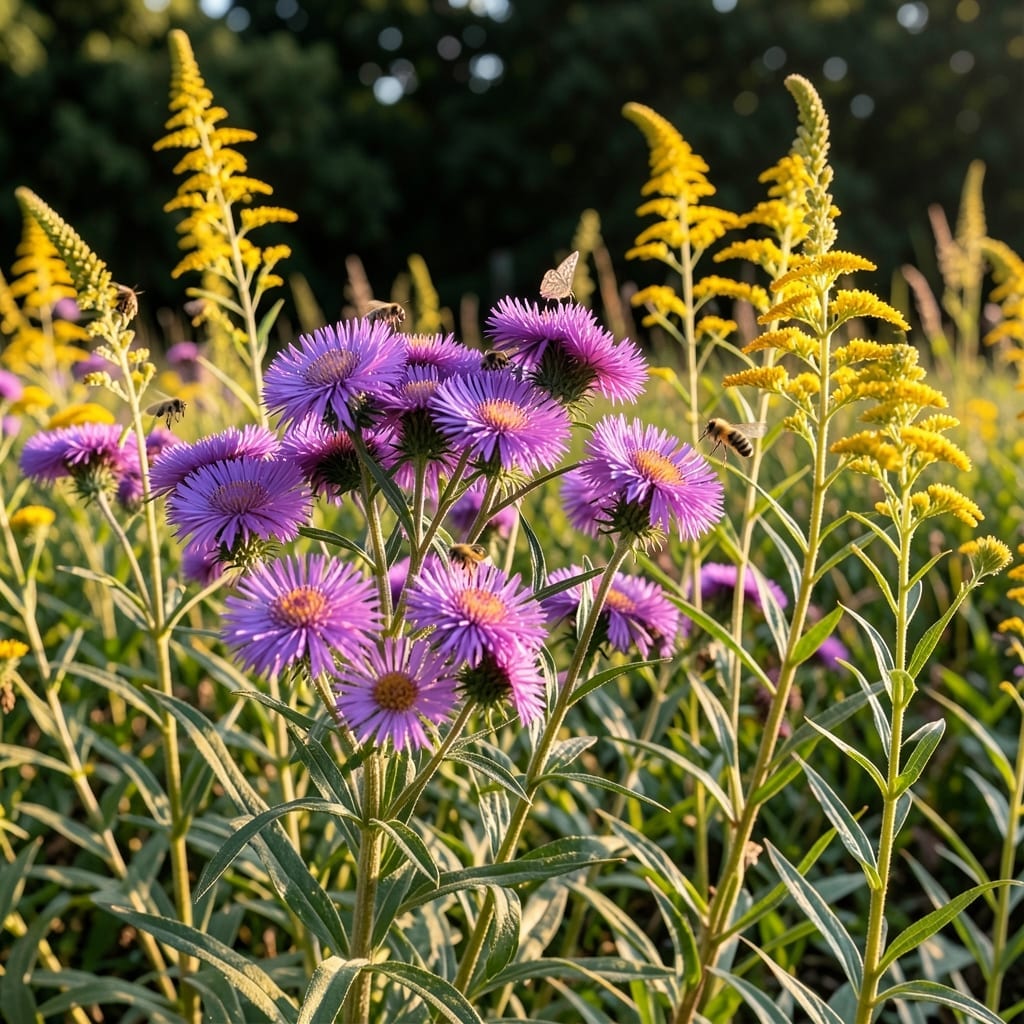
When summer blooms fade, this dynamic duo keeps your garden alive with color and pollinator activity. Asters and goldenrod are late-season powerhouses, feeding bees and butterflies when most other flowers have finished for the year.
Plant New England asters with their rich purple blooms alongside goldenrod’s cheerful yellow plumes for a stunning contrast. Both thrive in full sun to partial shade and average soil, making them effortless to grow together.
This pairing is ideal for gardeners who want to support pollinators into fall while enjoying a vibrant, low-maintenance display. 🌿