
Beautiful Plants For Your Interior
Beautiful Plants For Your Interior
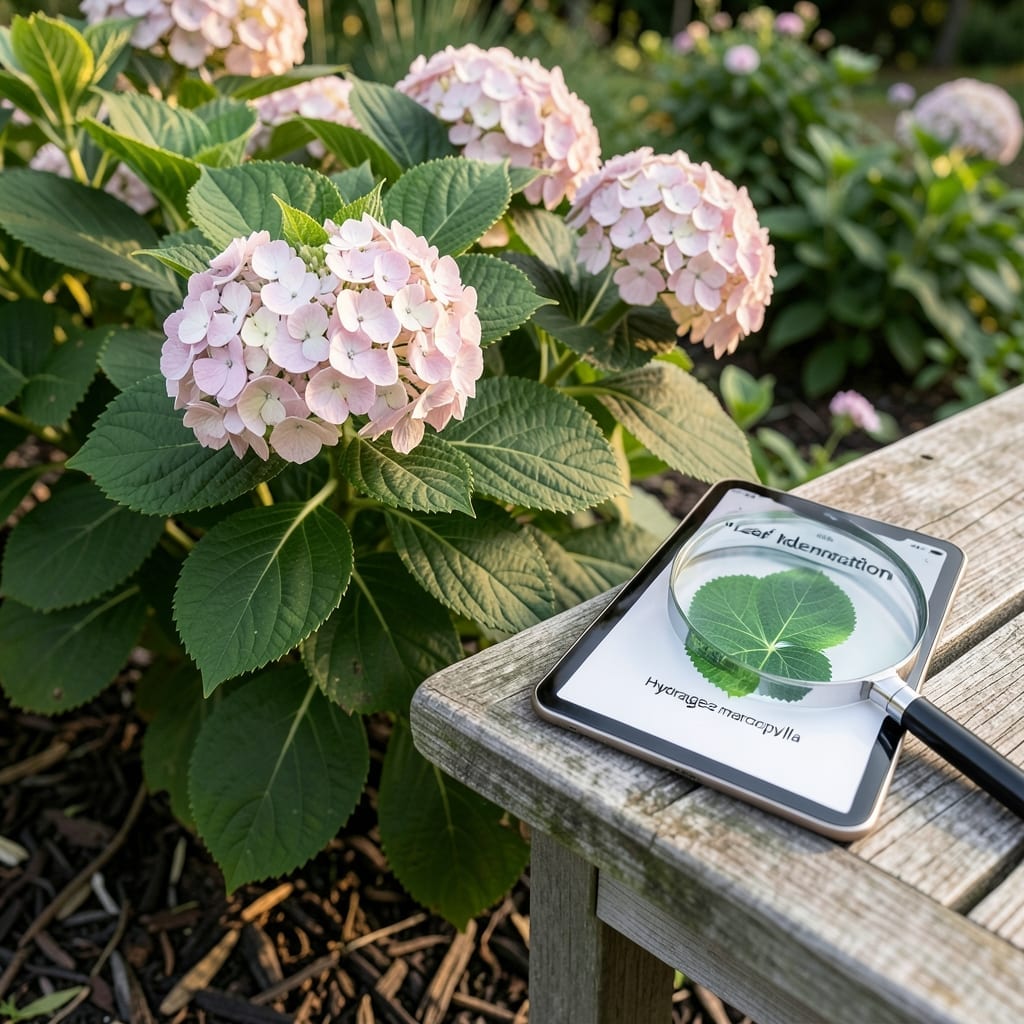
I used to stare at my garden, completely stumped by which shrub was which. Leaves are the secret—shape, edges, and arrangement reveal everything you need to know.
Once you learn the patterns, identifying common species becomes second nature. Oval or jagged, smooth or toothed—these details are like fingerprints for plants. No fancy tools required, just a little observation.
This knowledge changes how you care for your garden. You’ll spot problems faster, prune smarter, and choose plants that actually thrive in your space.
Start with the shrubs you already have. A quick walk through your yard will surprise you with what you discover.
Understanding why shrub leaves develop distinct shapes, edges, and patterns comes down to a mix of evolutionary adaptations and environmental pressures. Here’s a breakdown of the key drivers behind leaf diversity in shrubs:
Shrubs evolve unique leaf traits to thrive in their native habitats. For example, serrated or lobed leaves often deter herbivores by making them harder to consume. Meanwhile, waxy or hairy coatings (like those on holly or lavender) reduce water loss in dry climates. These adaptations are hardwired into a species’ genetics over millennia.
Local conditions shape leaf morphology in real time. Shrubs in sunny, arid regions may develop smaller, thicker leaves to minimize water evaporation, while those in shaded forests often have broader, thinner leaves to maximize light absorption. Temperature, humidity, and soil nutrients also play critical roles.
Some leaves evolve thorns, spines, or toxic compounds to fend off predators. For instance, the prickly edges of a barberry leaf discourage animals from grazing, while the bitter taste of a boxwood leaf can repel insects. These traits are a direct response to ecological threats.
By recognizing these causes, you’ll better identify leaves of shrubs based on their functional purpose—not just their appearance.
Identifying shrub leaves can be tricky, but these practical solutions will sharpen your skills and boost confidence in the field.
If you’re struggling to tell shrubs apart, start with a reliable field guide or a plant identification app like iNaturalist or PlantNet. These tools compare leaf shapes, edges, and vein patterns to known species. Prevention tip: Carry a pocket-sized guide on hikes to avoid guesswork. 💡
Focus on distinctive traits:
Collect leaves from confirmed shrubs in your area (e.g., a local botanical garden) and compare them side-by-side with unknown samples. Prevention tip: Press and label samples in a notebook for future reference. 🎯
Leaf appearance can vary by season—some shrubs change color or drop leaves entirely. Check the same shrub in multiple seasons to note differences. Prevention tip: Use a calendar to remind yourself to revisit shrubs during key growth phases. 🌡️
With these steps, you’ll quickly gain the ability to identify shrub leaves like a pro—no botany degree required!
Start with the shape and edges. Check if the leaf is lobed, oval, or needle-like, and whether its edges are smooth, serrated, or toothed. These are the most distinctive features.
Seasonal changes affect color, size, and sometimes shape. Many shrubs develop vibrant hues in fall due to chlorophyll breakdown. Some even drop leaves entirely in winter.
Not always—some species share similar leaf shapes. For accuracy, examine multiple leaves and note their arrangement on the stem (alternate, opposite, or whorled).
Compare its leaves to a local field guide or use an app like iNaturalist. Native shrubs often have leaves adapted to your region’s climate and soil.