
Beautiful Plants For Your Interior
Beautiful Plants For Your Interior
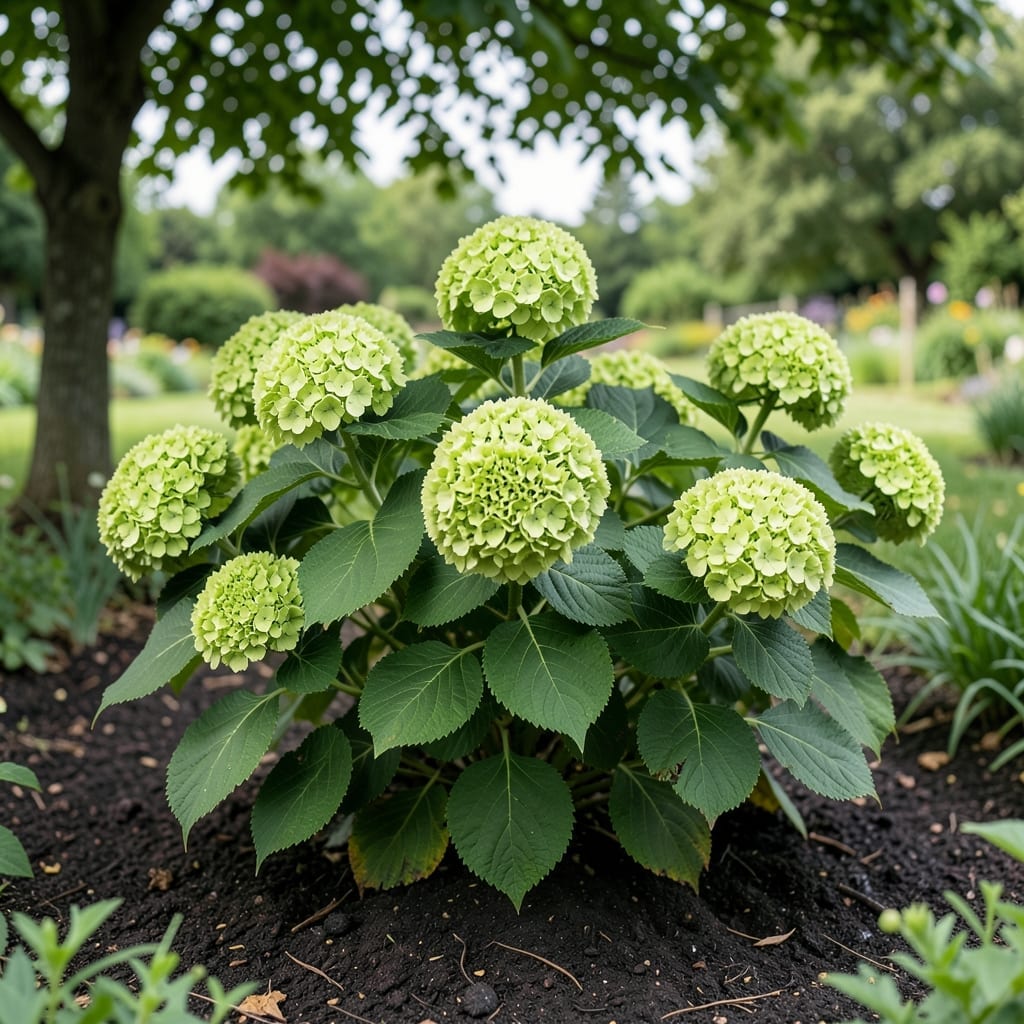
My hydrangeas went from vibrant blue to dull green practically overnight. Turns out, the soil’s pH was throwing off their color like a bad mood swing.
Aluminum in the soil is the secret sauce for blue blooms, but when the pH drifts too high, the flowers lose their punch. A simple soil test confirmed my suspicion—my garden beds had turned alkaline from years of hard water.
Fixing it took 2 weeks of soil amendments and a little patience. Now, I adjust the pH every spring to keep those blues popping. The difference is night and day.
Preventing green hydrangeas means monitoring soil conditions and acting before the color fades. It’s easier than you think to keep them looking their best.
Hydrangeas turning green instead of their usual vibrant blue, pink, or white hues can be puzzling. This color shift typically stems from a few key factors, all tied to how the plant absorbs and utilizes nutrients. Here’s a breakdown of the most common causes:
Hydrangeas are famous for their pH-sensitive pigments. In Hydrangea macrophylla (bigleaf hydrangeas), the flower color is directly influenced by soil acidity. When soil pH drifts toward neutral or alkaline (pH 6.5–8), aluminum—critical for blue blooms—becomes less soluble. Without sufficient aluminum uptake, the flowers default to a green or white-green tint. Test your soil: blue flowers thrive in pH 5.0–5.5, while pinks prefer slightly higher (pH 6.0–6.5).
A lack of phosphorus or iron can also trigger green blooms. Phosphorus supports vibrant color development, and its deficiency may cause dull, greenish hues. Similarly, iron chlorosis (often seen in alkaline soils) restricts chlorophyll production, leading to pale or green-tinged flowers. A soil test can reveal shortages, and targeted fertilizers (e.g., iron sulfate or bone meal) can restore balance.
Some hydrangeas naturally shift color as they age. Young blooms on H. macrophylla may start green and transition to blue or pink as they mature. Additionally, certain cultivars (like ‘Limelight’ or ‘Annabelle’) are bred to produce green or white flowers regardless of soil conditions. Check your plant’s variety to rule out genetic tendencies.
Extreme heat, drought, or excessive shade can stress the plant, disrupting pigment formation. Under stress, hydrangeas may prioritize survival over vibrant blooms, resulting in muted green tones. Ensure consistent watering and partial sunlight to minimize this effect.
If your hydrangeas have turned green, don’t worry—there are simple fixes to restore their vibrant hues. The most common causes are pH imbalance or nutrient deficiencies, and addressing them can bring back the color you love.
For blue flowers: Lower the pH to 5.2–5.5 by adding aluminum sulfate (1 tbsp per gallon of water) or elemental sulfur (follow package instructions). Test soil pH first with a kit to avoid over-acidifying.
For pink flowers: Raise the pH to 6.0–6.5 by mixing in lime (dolomitic or garden lime). Apply in small amounts and retest weekly.
Prevention tip: Test soil pH annually—hydrangeas thrive in slightly acidic to neutral soil.
Iron deficiency: If leaves are yellow but veins stay green, use a chelated iron supplement (follow label rates). Avoid overwatering, which can lock out iron.
Phosphorus excess: Too much phosphorus (from high-P fertilizers) can turn flowers green. Switch to a balanced 10-10-10 fertilizer and reduce applications.
Prevention tip: Use a slow-release, low-phosphorus fertilizer in spring.
Green hydrangeas may signal too much shade (for pink/red varieties) or inconsistent watering. Ensure 4–6 hours of morning sun and water deeply 2–3 times weekly. Mulch to retain moisture.
Prevention tip: Water at the base to avoid fungal issues and leaf discoloration.
With these tweaks, your hydrangeas should regain their signature colors in 1–2 growing seasons. Patience and consistency are key!
Bigleaf hydrangeas shift from blue to pink as soil pH moves from acidic to alkaline. For blue blooms, aim for pH 5.0–5.5. Pink prefers 6.0–6.5.
With proper soil amendments, you’ll see color restoration in 1–2 growing seasons. Test soil pH weekly after applying lime or aluminum sulfate for best results.
Young blooms often begin green and deepen in color as they mature. If they stay green, check for iron deficiency or excessive shade—both can stall color development.
Vinegar provides a quick fix but isn’t sustainable. For lasting results, use aluminum sulfate or elemental sulfur instead. Always retest pH after application.