
Beautiful Plants For Your Interior
Beautiful Plants For Your Interior
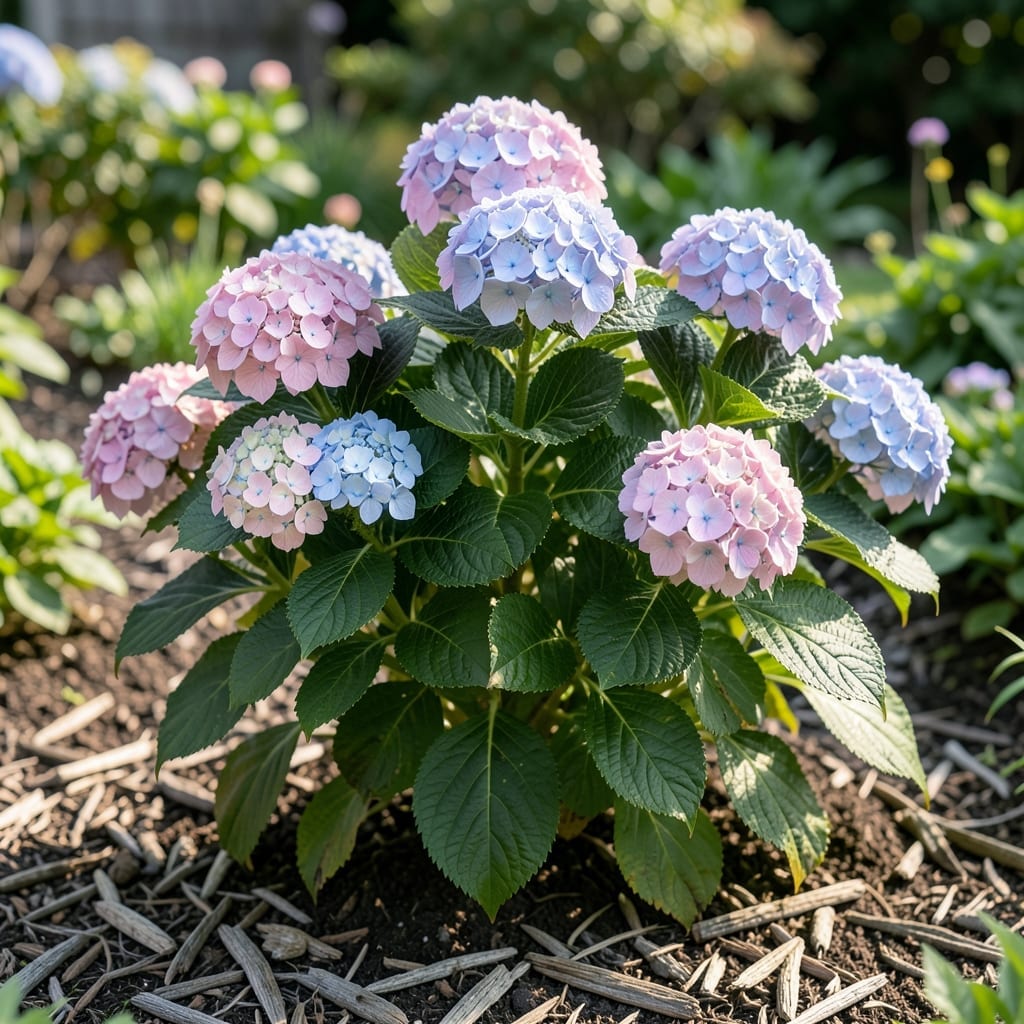
Hydrangeas are beloved for their lush, vibrant blooms, but their sunlight needs often puzzle gardeners. Getting the light conditions right is the key to abundant, healthy flowers.
I’ve seen many 💮 Hydrangea plants struggle when placed in the wrong spot. Whether you’re growing bigleaf or panicle varieties, understanding their unique preferences makes all the difference.
Discover how to give your Hydrangea the perfect balance of sun and shade for those stunning blooms you’ve been dreaming of.
 Best Window Placement
If you’ve ever wondered why your hydrangeas aren’t blooming, sunlight might be the culprit. Different varieties have unique needs, and getting this right can transform your garden.
I’ve learned that bigleaf hydrangeas thrive in partial shade, while panicle types can handle more sun. The key is matching the variety to your garden’s conditions.
| Hydrangea Variety | Sun Requirements | Best For |
|---|---|---|
| Bigleaf | 4-6 hours morning sun | East-facing spots |
| Panicle | 6+ hours full sun | Southern exposures |
| Oakleaf | Partial shade to full shade | Woodland gardens |
| Smooth | 4-6 hours sun | Northern climates |
Bigleaf hydrangeas are the most common and prefer morning sun with afternoon shade. This protects their delicate blooms from harsh afternoon rays.
Panicle hydrangeas are more sun-tolerant and can thrive in full sun in cooler climates. In hotter regions, they still appreciate some afternoon shade.
Oakleaf varieties are the most shade-tolerant, making them perfect for woodland gardens or north-facing spots. They can even handle deep shade in some cases.
Smooth hydrangeas fall in the middle, needing about 4-6 hours of sun daily. They’re quite adaptable to different light conditions.
Remember, these are general guidelines. Your specific climate and microclimate will affect what works best. In hotter areas, even sun-loving varieties may need some afternoon shade.
I always recommend observing your garden’s light patterns throughout the day. A spot that gets morning sun might be perfect for bigleaf hydrangeas, while an area with all-day sun could be ideal for panicle types.
Don’t forget that soil moisture plays a role too. Hydrangeas in sunnier spots will need more frequent watering to prevent stress.
Your hydrangea’s leaves and blooms will tell you if it’s getting the right amount of light. Sunburnt leaves or wilted flowers often signal too much direct sunlight.
On the other hand, weak stems and fewer blooms usually mean your plant isn’t getting enough light. Observing these signs helps you adjust care effectively.
| Condition | Too Much Sun | Too Little Sun |
|---|---|---|
| Leaf Appearance | Scorched, brown edges | Pale, yellowing leaves |
| Blooms | Wilted or crispy | Sparse or nonexistent |
| Stems | Dry, brittle | Weak, leggy growth |
| Soil | Dries out quickly | Stays damp too long |
If you notice brown, crispy edges on leaves, your hydrangea is likely getting too much sun. This is common in afternoon heat without adequate shade.
Yellow leaves and stunted growth often indicate insufficient light. These plants need more exposure, especially morning sunlight.
For panicle hydrangeas, some afternoon shade in hot climates prevents sunburn. Meanwhile, oakleaf types in deep shade may need thinning of overhead branches.
I always check my plants in mid-afternoon when sun exposure is most intense. Adjusting their position or adding shade cloth can make a big difference. ☀️