
Beautiful Plants For Your Interior
Beautiful Plants For Your Interior
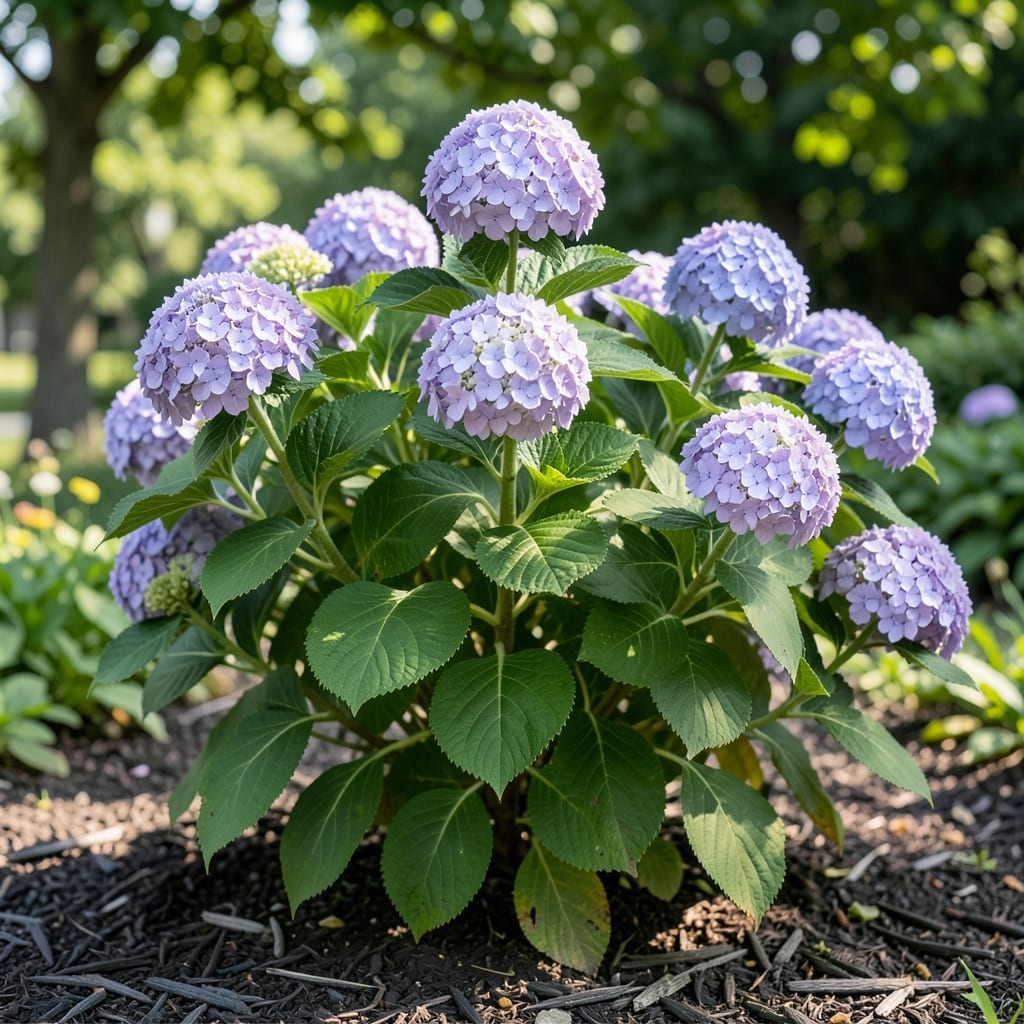
There’s nothing quite like the stunning blooms of a Hydrangea 🌸 lighting up your garden. But here’s the catch: their beauty hinges on getting the light just right. Too much sun can scorch their leaves, while too much shade may leave you with lackluster flowers.
I’ve seen it happen time and again—gardeners plant these shrubs with high hopes, only to be disappointed by weak growth or sparse blooms. The good news? A few simple tweaks to their light exposure can turn things around.
Discover how to strike the perfect balance for your Hydrangea and watch it thrive like never before. Let’s get started.
 Best Window Placement
The light needs of Hydrangeas vary by species, but most thrive in partial shade. I’ve found that 4-6 hours of morning sun with afternoon shade works wonders for bigleaf hydrangeas, the most common type. ☀️
For panicle hydrangeas like ‘Limelight’, they can handle full sun if the soil stays moist. Meanwhile, oakleaf hydrangeas prefer dappled shade and are more drought-tolerant once established. 🌿
| Variety | Sun Needs | Shade Tolerance |
|---|---|---|
| Bigleaf | 4-6 hours morning sun | Moderate to high |
| Panicle | 6+ hours sun | Low to moderate |
| Oakleaf | 2-4 hours sun | High |
| Smooth | 4-6 hours sun | Moderate |
I always tell gardeners that light intensity matters as much as duration. In hotter zones, even sun-loving hydrangeas benefit from afternoon shade to prevent leaf scorch. The color of your blooms can also shift with light exposure. 🌸
Bigleaf hydrangeas in acidic soil produce blue flowers in partial shade, while more sun can intensify pink hues in alkaline conditions. It’s like nature’s own mood ring! For the best results, I recommend testing your soil’s pH.
If you’re planting in full sun, mulch heavily to retain moisture. I’ve seen panicle hydrangeas flourish in these conditions when given consistent watering. Their cone-shaped blooms seem to love the extra warmth.
For shadier spots, oakleaf hydrangeas are my go-to. Their white blooms brighten up dim corners, and their fall foliage adds another layer of interest. They’re also more forgiving if you miss a watering or two.
Smooth hydrangeas, like ‘Annabelle’, do well in partial shade but can handle more sun than bigleaf varieties. Their large white flowers are a classic choice for cottage gardens. Just watch for wilting in extreme heat.
Remember, the ideal light can change with your climate. In cooler areas, hydrangeas can often handle more sun. But in the scorching South, that afternoon shade becomes non-negotiable for most varieties. 🌡️
Even with the best intentions, Hydrangeas can struggle if their light needs aren’t met. I’ve seen wilting leaves in the afternoon sun, a classic sign of too much exposure. This often happens with bigleaf varieties in scorching climates. ☀️
On the flip side, poor blooming or small flowers usually indicate too little light. Oakleaf hydrangeas might tolerate deep shade, but they’ll reward you with more blooms in brighter spots.
⚠️ Warning: Light Stress in Hydrangeas
Wilting in full sun or weak blooms in deep shade are red flags. Leaf scorch (brown edges) often means too much direct sunlight, while stunted growth can signal insufficient light.
Another telltale sign is leaf scorch, where the edges of leaves turn brown and crispy. This typically occurs when Hydrangeas get intense afternoon sun without enough water. I’ve found that mulching helps, but moving them to a shadier spot is often the best fix. 🌿
Stunted growth is another indicator of light deprivation. If your Hydrangea isn’t reaching its expected height or has sparse foliage, it might need more sun. Panicle types like ‘Limelight’ are more forgiving but still need adequate light for robust blooms.
For bigleaf hydrangeas, fading flower color can also signal light issues. In deep shade, their blooms may lose vibrancy. Conversely, too much sun can bleach the petals. I recommend monitoring your plant’s response to its current location.
If you notice these signs, don’t panic. Hydrangeas are resilient. Try adjusting their exposure gradually—perhaps by adding a shade cloth for sun-sensitive varieties or trimming back nearby trees to let in more light. 🌸