
Beautiful Plants For Your Interior
Beautiful Plants For Your Interior
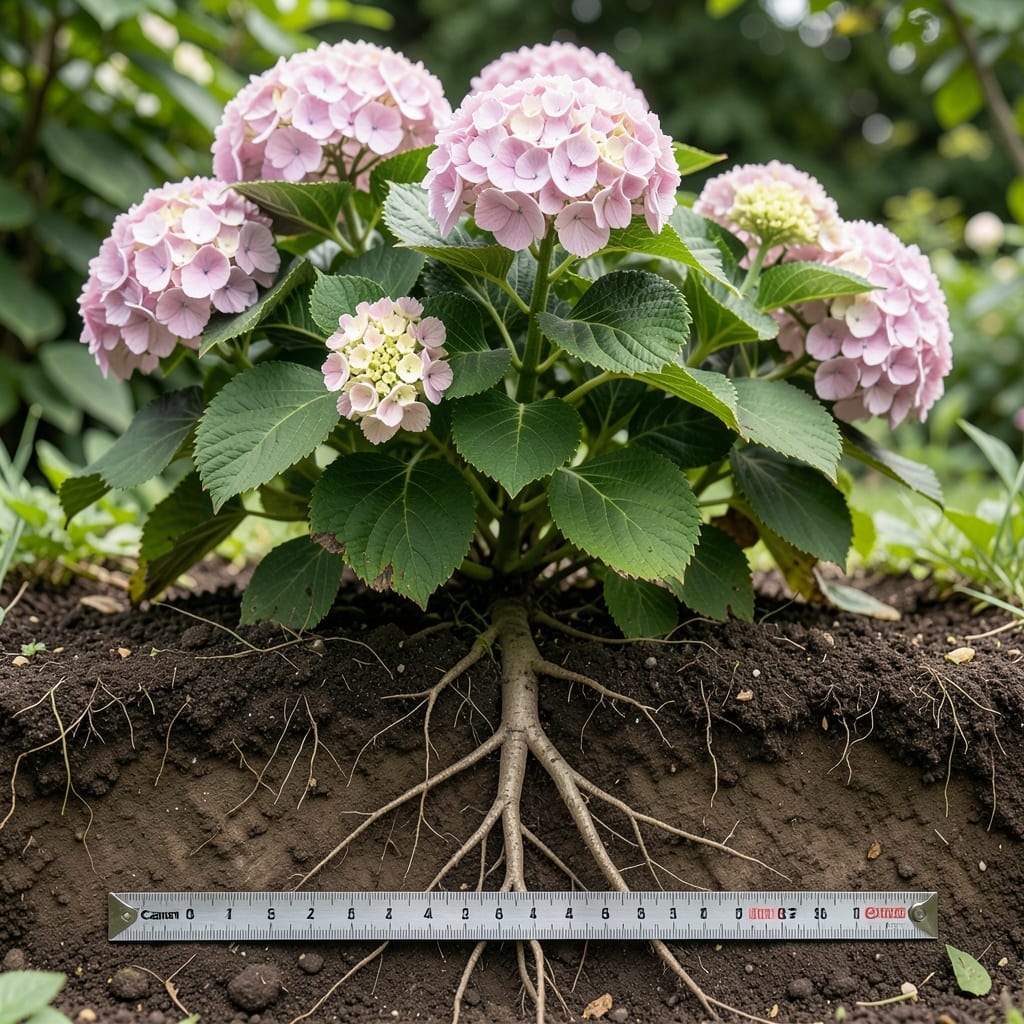
Most gardeners focus only on the beautiful blooms above ground, but with 🌸Hydrangea, the real story happens below. The depth of those roots determines everything from water needs to long-term health.
I learned this the hard way when my first Hydrangea struggled despite perfect above-ground care. The solution? Understanding how shallow those root systems truly are.
Today I’ll share why this matters and how it changes everything about where and how you plant. You’ll discover simple adjustments that make a world of difference.
Whether you’re planting your first shrub or troubleshooting an established one, this changes the game. Let’s dig into what you need to know.
If you want healthy hydrangeas with vibrant blooms, start by understanding their root systems. Most hydrangea roots stay shallow, typically 6 to 24 inches deep, depending on the variety.
This shallow root depth means they’re sensitive to soil conditions and watering practices. Unlike deep-rooted plants, hydrangeas rely on near-surface moisture and nutrient availability for growth.
| Variety | Root Depth | Key Notes |
|---|---|---|
| Bigleaf Hydrangea | 8-12 inches | Prefers moist, well-drained soil |
| Panicle Hydrangea | 12-24 inches | More drought-tolerant than others |
| Oakleaf Hydrangea | 6-12 inches | Thrives in partial shade |
| Smooth Hydrangea | 10-18 inches | Adapts to varied soil types |
The root depth directly impacts how you plant and care for hydrangeas. Shallow roots mean they need consistent moisture but can suffer from waterlogging if drainage is poor.
I always recommend mulching around hydrangeas to retain moisture and protect roots from temperature swings. A 2-3 inch layer of organic mulch works wonders for root health.
Another key point: avoid deep planting. Hydrangea roots spread horizontally more than vertically. Planting too deep can suffocate roots and stunt growth.
For optimal growth, ensure your hydrangea has enough space for roots to spread. Crowded roots compete for water and nutrients, leading to weaker plants.
If you notice yellowing leaves or stunted growth, check your root zone. Poor drainage or compacted soil could be restricting root development and causing stress.
In my experience, amending soil with compost before planting gives hydrangea roots the best start. Loose, nutrient-rich soil encourages deeper, healthier root systems.
Remember, healthy roots equal healthy blooms. Focus on proper planting depth and soil care, and your hydrangeas will reward you with lush foliage and abundant flowers 🌸
Planting hydrangeas at the correct depth is crucial for healthy root growth. I always dig a hole twice as wide as the root ball but no deeper than its height. This encourages roots to spread outward rather than downward.
For best results, loosen the soil around the hole to 18-24 inches deep. This helps roots penetrate easily and access nutrients. I’ve found that amending with compost boosts root establishment significantly.
Spacing is another key factor. I recommend 3-6 feet between plants, depending on the variety. This gives roots room to expand without competing for water and nutrients. Bigleaf hydrangeas need more space than dwarf types.
After planting, I always water deeply to settle the soil and eliminate air pockets. A 2-3 inch mulch layer helps retain moisture and keeps roots cool. Just be sure to keep mulch away from the stem to prevent rot.
For container-grown hydrangeas, choose a pot that’s at least 18 inches deep. This accommodates their shallow but wide root system. I’ve had great success with this approach on my patio.
Remember, hydrangea roots are shallow and fibrous. Avoid deep cultivation around the base, as this can damage the roots. A gentle touch with gardening tools goes a long way. 🌿