
Beautiful Plants For Your Interior
Beautiful Plants For Your Interior
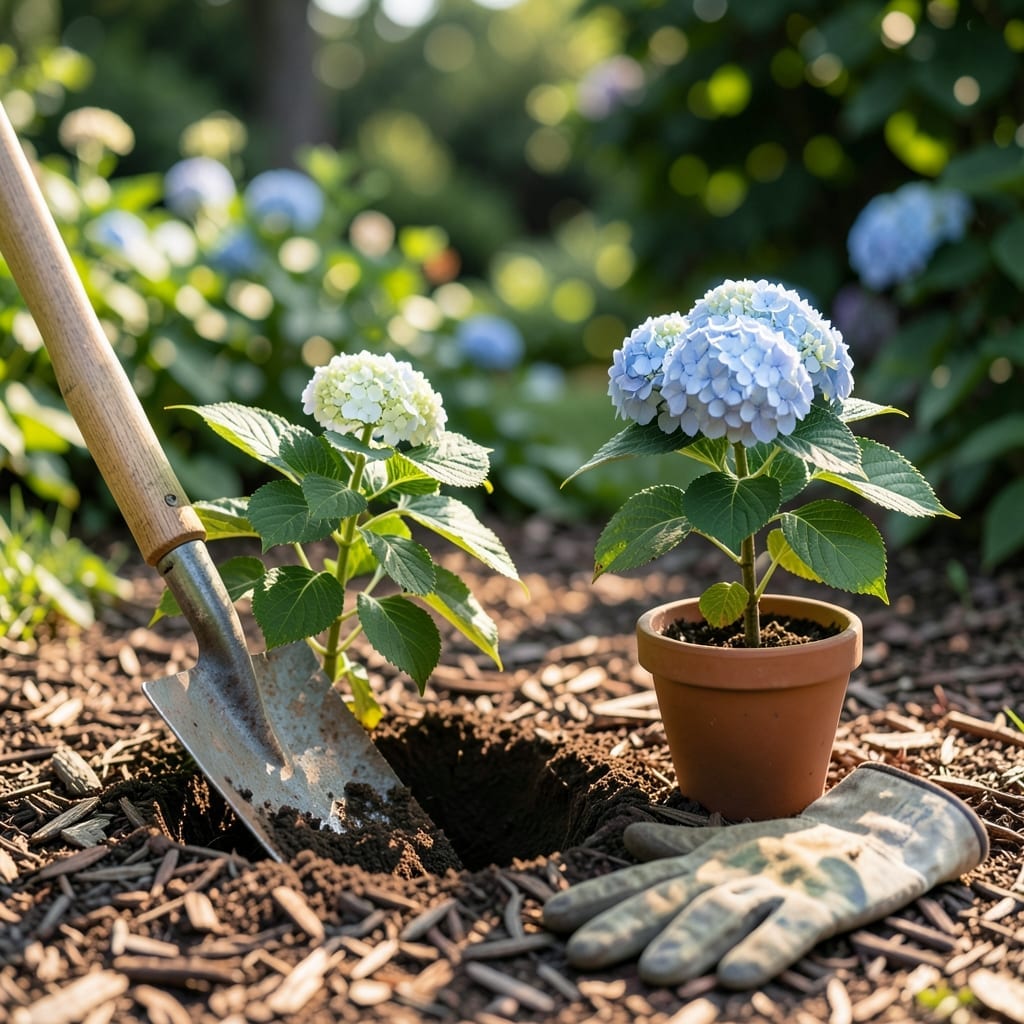
There’s something magical about watching a 🌸 Hydrangea burst into bloom each spring. But did you know the secret to those vibrant displays starts months earlier in the fall?
Planting Hydrangeas during the cooler season gives roots time to establish without the stress of summer heat. This head start means stronger plants come spring.
Discover the proven methods that ensure your Hydrangeas thrive and produce those stunning blooms you love.


Fall planting gives hydrangeas a unique advantage. The cooler temperatures reduce stress on new plants, allowing roots to establish without summer heat pressure. This means stronger growth when spring arrives.
I’ve found that September and October are ideal months. The soil stays warm enough to encourage root development, while the air is cool enough to prevent transplant shock. This balance is key for success.
| Factor | Fall Planting | Spring Planting |
|---|---|---|
| Root Establishment | Faster, before winter | Slower, heat stress |
| Transplant Shock | Minimal, cool weather | Higher, heat stress |
| Water Needs | Lower, cooler temps | Higher, frequent watering |
| Spring Growth | Earlier, established roots | Delayed, new roots |
Another benefit is reduced watering needs. Cooler fall weather means less evaporation, so you won’t need to water as often. This makes it easier to keep the soil consistently moist without constant attention.
I always recommend planting at least 4-6 weeks before the first frost. This gives roots enough time to settle in before winter. In most zones, that means getting hydrangeas in the ground by mid-October at the latest.
The soil warmth in early fall is perfect for root growth. Even as air temperatures drop, the ground retains heat, encouraging strong root systems that will support lush foliage and blooms next year.
Fall planting also means less competition from weeds. With many annuals dying back, your new hydrangeas won’t have to compete as much for water and nutrients in their early days.
For the best results, choose a partially shaded spot with well-draining soil. Hydrangeas love morning sun and afternoon shade, especially in warmer climates. This combination helps prevent leaf scorch.
Don’t forget to mulch heavily after planting. A 3-4 inch layer of organic mulch insulates roots against winter temperature swings. I prefer shredded bark or compost for this purpose.
By spring, your fall-planted hydrangeas will have a well-established root system. This means they’ll be ready to focus on top growth and flowering rather than just surviving transplant shock. 🌸
Planting hydrangeas in fall requires careful preparation. I always start by selecting a partially shaded location with well-draining soil. This ensures roots establish without stress from harsh sun or soggy conditions.
The ideal planting window is 4-6 weeks before your first frost. In most zones, this means September through early October. This timing allows roots to settle before winter dormancy.
After planting, I recommend watering deeply once a week unless rainfall provides 1 inch of water. This encourages deep root growth before winter. Avoid overwatering, as soggy soil can rot new roots.
For soil preparation, I mix in organic compost to improve fertility. Hydrangeas prefer slightly acidic to neutral soil, so test your soil and amend if needed. This step is crucial for vibrant blooms.
Mulching is non-negotiable for fall planting. A thick layer of shredded bark or leaves insulates roots from temperature swings. It also retains moisture, which is vital for new plantings.
Finally, avoid fertilizing at planting time. New hydrangeas need to focus on root establishment, not top growth. Wait until spring to apply a balanced fertilizer for best results. 🌿