
Beautiful Plants For Your Interior
Beautiful Plants For Your Interior
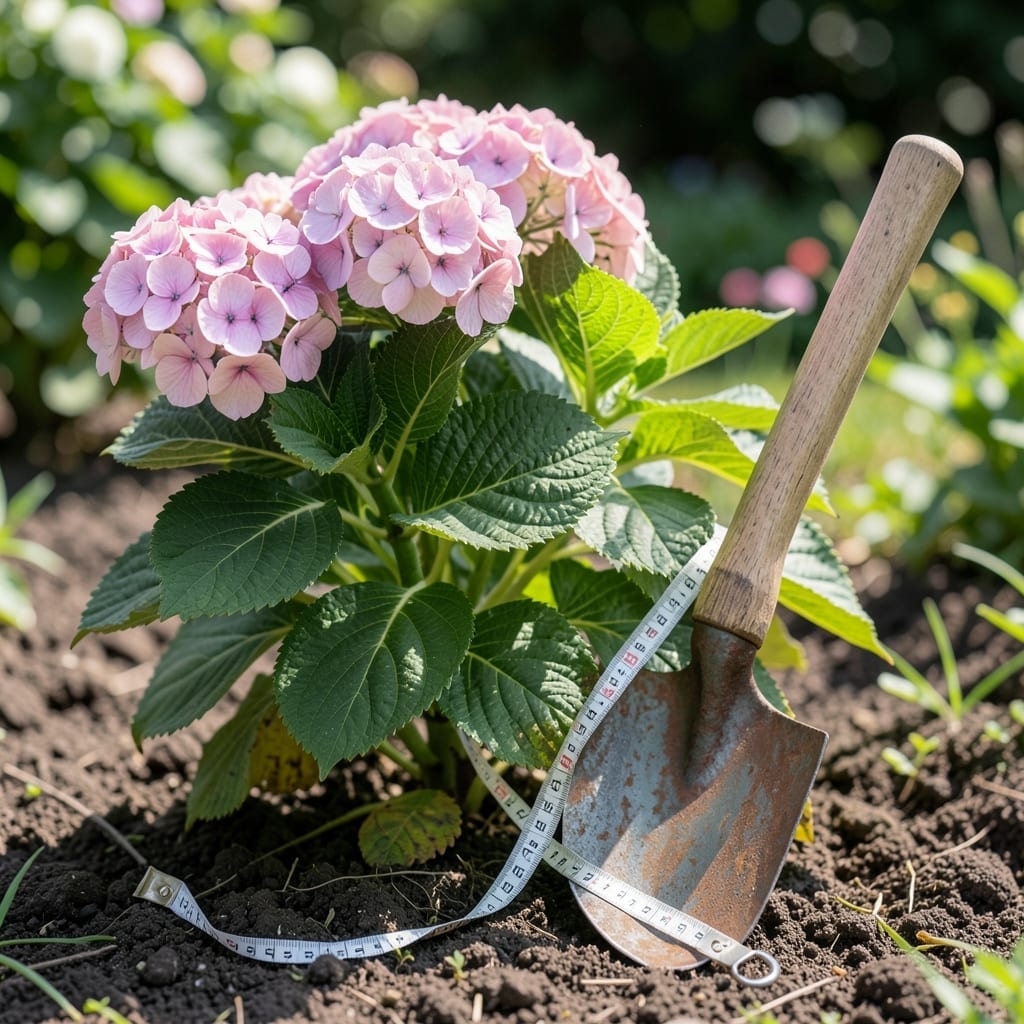
Proper hydrangea planting distance is the secret to lush, vibrant blooms that thrive for years. Crowd them too close, and you risk stunted growth, disease, and lackluster flowers.
The 🌸 Hydrangea needs room to stretch its roots and branches to reach its full potential. Whether you’re planting in rows or clusters, giving each shrub the right amount of space ensures healthy air circulation.
I’ve seen gardens where tight spacing led to weak, struggling plants. With the right approach, you can avoid these pitfalls and create a stunning display that turns heads every spring.
Let me guide you through the key factors that determine the perfect distance between your hydrangeas. You’ll discover how to set them up for long-term success.

Getting hydrangea planting distance right starts with knowing your variety. Each type grows differently, so spacing must match its mature size to ensure healthy blooms and strong stems. I always check the tag for expected width at maturity.
For example, bigleaf hydrangeas typically reach 4-6 feet wide, so they need more room than dwarf varieties. Proper spacing prevents competition for water and nutrients while promoting good air circulation.
| Variety | Mature Width | Recommended Spacing |
|---|---|---|
| Bigleaf | 4-6 ft | 5-6 ft apart |
| Panicle | 6-8 ft | 6-8 ft apart |
| Oakleaf | 4-6 ft | 5-6 ft apart |
| Smooth | 3-5 ft | 4-5 ft apart |
| Dwarf | 2-3 ft | 2-3 ft apart |
If you’re creating a hedge or border, you can plant hydrangeas slightly closer. I often space bigleaf varieties about 4 feet apart for a denser look, but this requires more maintenance to prevent overcrowding.
For container gardening, choose dwarf varieties and space them 2-3 feet apart in large pots. This ensures each plant has enough root space to thrive without competing for resources.
Soil type also impacts spacing. In rich, well-draining soil, hydrangeas can grow larger, so I give them a bit more room. In poorer soil, they might stay smaller, allowing for slightly closer spacing.
Remember, sunlight exposure affects growth too. Hydrangeas in full sun may grow more compact, while those in partial shade can spread out more. Adjust spacing based on your garden’s conditions.
For mass plantings, I recommend staggering rows with 6-8 feet between plants. This creates a lush, layered effect while maintaining good air circulation to prevent fungal diseases.
If you’re planting near buildings or fences, leave at least 3-4 feet of space. This prevents roots from damaging structures and allows room for maintenance.
Finally, always measure twice before digging. I’ve learned the hard way that proper hydrangea planting distance saves time and ensures a stunning garden for years to come 🌸
I see gardeners make spacing errors with hydrangeas all the time. The most common is underestimating mature size, leading to crowded plants that compete for nutrients and sunlight. This stunts growth and reduces those beautiful blooms we all love.
Another frequent mistake is ignoring soil conditions when spacing. Poor drainage or compacted soil means roots can’t spread properly, so even well-spaced plants may struggle. Always test your soil first.
⚠️ Watch Out:
Planting hydrangeas too close to structures like fences or walls restricts airflow. This increases disease risk and limits access for pruning. Keep at least 3 feet of clearance.
I’ve also seen gardeners plant hydrangeas too close together for instant impact, only to regret it later. While it looks lush at first, in 2-3 years you’ll have a tangled mess that’s hard to maintain and prone to powdery mildew.
To fix existing spacing issues, I recommend transplanting in early spring or fall. This gives roots time to establish before summer heat or winter cold. Be sure to water deeply after moving to reduce transplant shock.
Remember that dwarf varieties like ‘Little Lime’ can be spaced 2-3 feet apart, while larger types like ‘Limelight’ need 6-8 feet. Always check the mature spread on the plant tag.
Finally, consider your garden layout. If planting in rows, space them 1 foot further apart than the recommended distance to allow for proper airflow between rows. This simple adjustment makes a big difference in plant health and bloom quality.
With these tips, you’ll avoid the common pitfalls and enjoy healthy, flourishing hydrangeas for years to come 🌸