
Beautiful Plants For Your Interior
Beautiful Plants For Your Interior
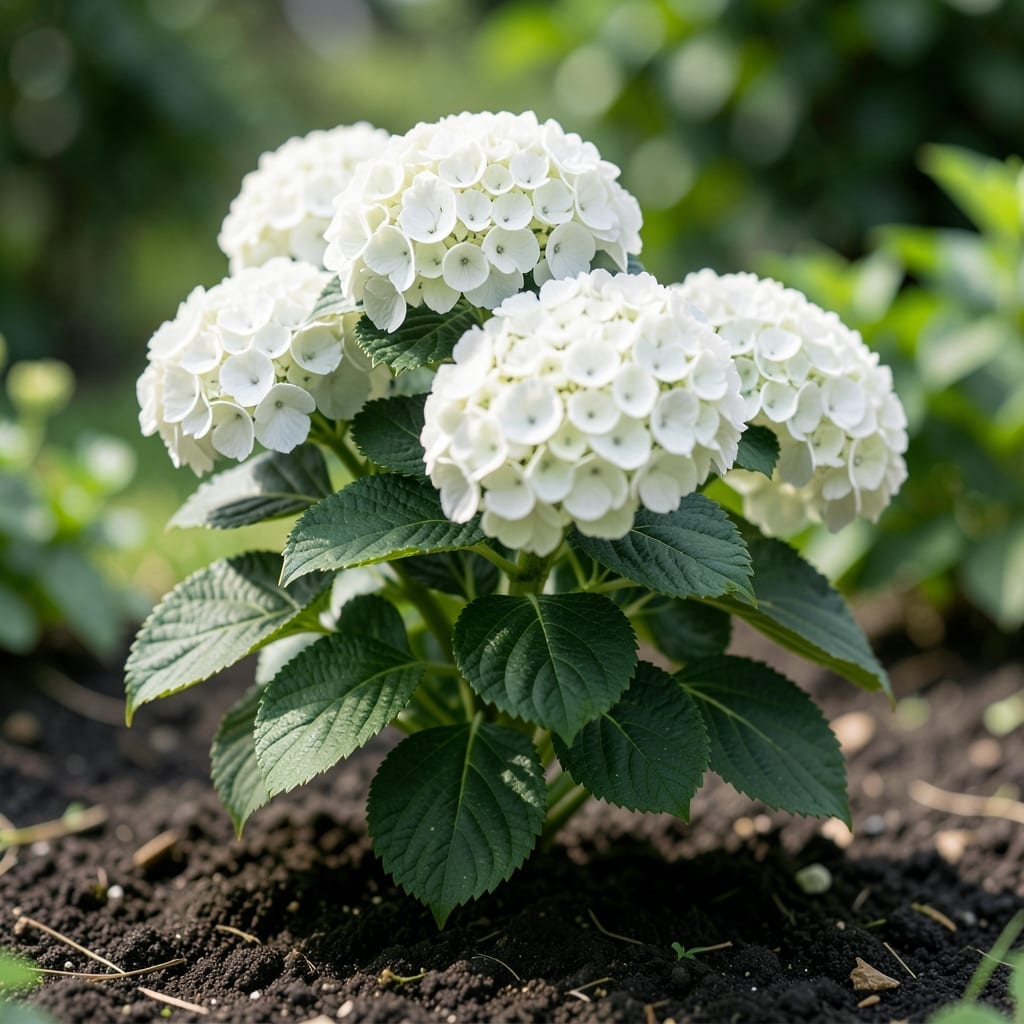
Picture this: a garden bursting with snow-white blooms so large they stop passersby in their tracks. That’s the magic of the 🌸 Hydrangea Little Lamb, a shrub that transforms any outdoor space into a breathtaking display.
This hardy plant thrives in zones 5-9, making it a versatile choice for gardeners across much of the country. Whether you’re a seasoned green thumb or just starting out, this variety promises impressive results with minimal fuss.
What makes it truly special are those massive flower heads that can span up to a foot across. Imagine the impact of these cloud-like blooms swaying gently in your garden from summer through fall.
I’ll walk you through everything you need to know to grow this showstopper successfully. From planting tips to care secrets, you’ll discover how easy it is to cultivate this garden gem.
If you want Hydrangea Little Lamb to thrive in your garden, start by giving it the right sunlight exposure. This variety does best with 4-6 hours of morning sun and afternoon shade, especially in warmer climates.
For optimal growth, plant it in well-draining soil that stays consistently moist. I always recommend amending the soil with organic compost before planting to boost fertility.
| Requirement | Specification |
|---|---|
| Sunlight | Partial shade, 4-6 hours |
| Soil Type | Moist, well-draining |
| Watering | Weekly deep soak |
| USDA Zones | 5-9 |
| Mature Size | 3-5 ft tall and wide |
| Pruning Time | Right after blooming |
Watering is another key factor. I water my Hydrangea Little Lamb deeply once a week, but in hotter months, I increase it to 2-3 times to prevent the soil from drying out.
The best time to water is in the early morning, which allows the plant to absorb moisture before the heat of the day. Avoid watering in the evening to reduce the risk of fungal diseases.
For fertilizing, I use a balanced 10-10-10 fertilizer every 6-8 weeks during the growing season. Start feeding in early spring and continue through summer, but stop in fall to avoid new growth before frost.
Pruning is simple with this variety. Since Hydrangea Little Lamb blooms on old wood, prune it right after the flowers fade. This gives the plant time to develop new buds for next year’s blooms.
If you notice the flower heads turning from white to greenish-white, that’s a sign they’re maturing. The blooms can reach up to 12 inches across, making them a stunning focal point in any garden.
In colder climates, add a thick layer of mulch around the base in late fall to protect the roots from freezing temperatures. This also helps retain moisture in the soil.
With the right care, your Hydrangea Little Lamb will reward you with abundant white blooms from summer to fall, adding elegance and charm to your outdoor space. 🌷
Growing Hydrangea Little Lamb can be simple, but even experienced gardeners make mistakes. I’ve seen overwatering and poor pruning ruin otherwise healthy plants. These errors often lead to weak blooms or stunted growth.
One of the biggest issues is planting in full sun in hotter zones. This hydrangea prefers partial shade, especially during the hottest part of the day. Without proper light, the blooms may suffer.
⚠️ Watch Out!
Avoid over-fertilizing—it can burn roots. Stick to a balanced 10-10-10 feed every 6-8 weeks.
Another common mistake is pruning at the wrong time. This hydrangea blooms on old wood, so pruning in late winter or early spring removes potential flowers. Always prune right after blooming.
Soil that’s too dry or too soggy can also cause problems. Consistently moist but well-draining soil is key. I recommend adding organic matter to improve drainage if needed.
Ignoring pH levels can affect bloom color. While Little Lamb stays white regardless of pH, overly acidic or alkaline soil can stress the plant. Aim for a pH of 6.0-6.5 for best results.
Finally, don’t crowd your hydrangea. Give it 3-5 feet of space to grow and breathe. Proper spacing ensures good airflow, which helps prevent fungal diseases.