
Beautiful Plants For Your Interior
Beautiful Plants For Your Interior
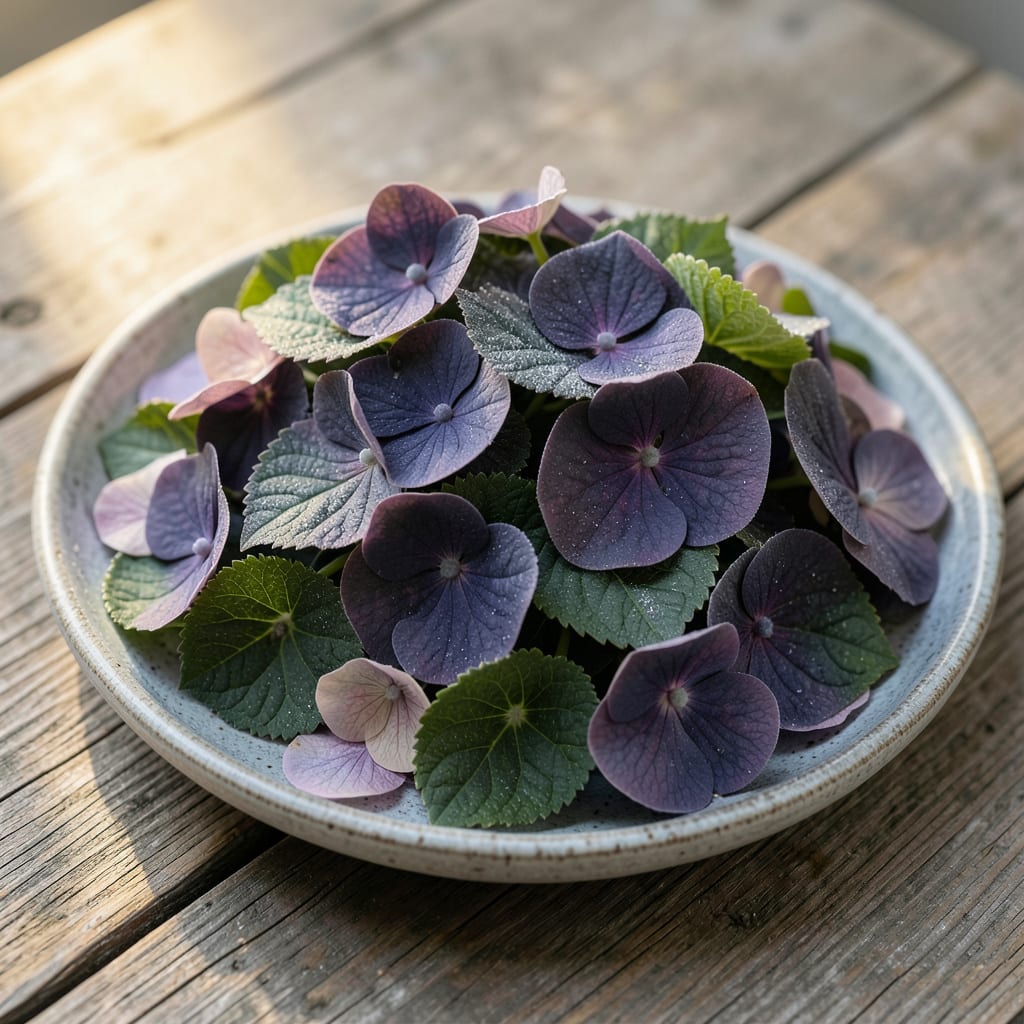
Dark leaves on hydrangeas always mean something’s off. I’ve seen this happen when the soil’s too wet, the light’s all wrong, or the roots are struggling to breathe.
The usual suspects are overwatering, poor drainage, or too much shade. Sometimes it’s a nutrient issue—either too much or too little of what the plant actually needs.
Start with the basics: check the soil moisture and how much sun the plant gets each day. A simple pH test can reveal if the soil is out of balance for hydrangeas.
Fix the conditions, and you’ll see fresh, vibrant green growth returning within a few weeks. Prevention is easier than cure, so keep an eye on these factors moving forward.
Hydrangea leaves turning dark often signal underlying stress. Below are the most common causes, explained with actionable insights.
A deficiency in magnesium or phosphorus can cause dark, almost purplish leaves. Magnesium is vital for chlorophyll production, and its lack disrupts photosynthesis. Test your soil: a pH below 5.5 may lock out these nutrients. Amend with Epsom salt (for magnesium) or bone meal (for phosphorus) to correct the issue.
While hydrangeas love morning sun, intense afternoon heat can scorch leaves, turning them dark brown or black at the edges. This happens because high light levels increase transpiration, leading to leaf burn. Provide dappled shade or move potted plants to a cooler spot during peak hours.
Soggy roots suffocate the plant, reducing oxygen uptake. This triggers root rot, which manifests as dark, wilting leaves. Hydrangeas prefer moist but well-drained soil. Check drainage by digging a small hole—if water pools for over an hour, amend the soil with perlite or organic matter.
Pathogens like Phytophthora or Botrytis thrive in wet conditions, causing dark spots or patches. These fungi attack weakened plants, often entering through damaged leaves. Improve air circulation, avoid overhead watering, and apply a copper-based fungicide if symptoms appear.
Darkening hydrangea leaves often signal an underlying issue, but these targeted fixes can restore their vibrant green. Address each cause directly and follow up with prevention to keep your plant thriving.
If soggy soil is the culprit, stop watering immediately and let the top 1-2 inches of soil dry out. Repot the hydrangea in well-draining soil mixed with perlite or sand. Ensure the pot has drainage holes to prevent waterlogging. Prevention tip: 💡 Water only when the topsoil feels dry to the touch, and use a pot with drainage holes.
Move your hydrangea to a spot with bright, indirect light—east or north-facing windows are ideal. If growing outdoors, ensure it gets morning sun and afternoon shade. Prevention tip: ✨ Rotate the plant occasionally for even light exposure, and avoid deep shade.
Dark leaves with purple or red tints may indicate a phosphorus deficiency. Apply a balanced, water-soluble fertilizer (10-10-10) every 2-4 weeks during the growing season. For acidic soil lovers (like blue hydrangeas), use a fertilizer formulated for acid-loving plants. Prevention tip: 🌡️ Test soil pH annually and amend with lime (to raise pH) or sulfur (to lower pH) as needed.
Inspect the undersides of leaves for pests like aphids or spider mites. Spray with neem oil or insecticidal soap, repeating every 5-7 days until pests are gone. Prevention tip: 🎯 Keep the area clean, remove debris, and introduce beneficial insects like ladybugs.
Prune affected leaves with sterilized shears and dispose of them away from the plant. Apply a copper-based fungicide or baking soda solution (1 tsp baking soda + 1 quart water + a few drops of dish soap) to the remaining foliage. Prevention tip: 💡 Space plants for airflow, avoid overhead watering, and water at the base.
Purple leaves often indicate a phosphorus deficiency. This nutrient is crucial for energy transfer in plants. Test your soil pH—if it’s too high or low, the plant can’t absorb phosphorus properly.
Yes, intense afternoon sun can scorch leaves, turning them dark brown or black. Hydrangeas prefer morning sun and afternoon shade. Move potted plants or provide dappled shade during peak heat hours.
Water when the top 1-2 inches of soil feel dry. Overwatering leads to root rot, which causes dark, wilting leaves. Ensure pots have drainage holes and soil is well-draining.
Unfortunately, once leaves darken, they won’t regain their green color. Focus on fixing the underlying issue to encourage new, healthy growth. Remove severely damaged leaves to redirect the plant’s energy.
