
Beautiful Plants For Your Interior
Beautiful Plants For Your Interior
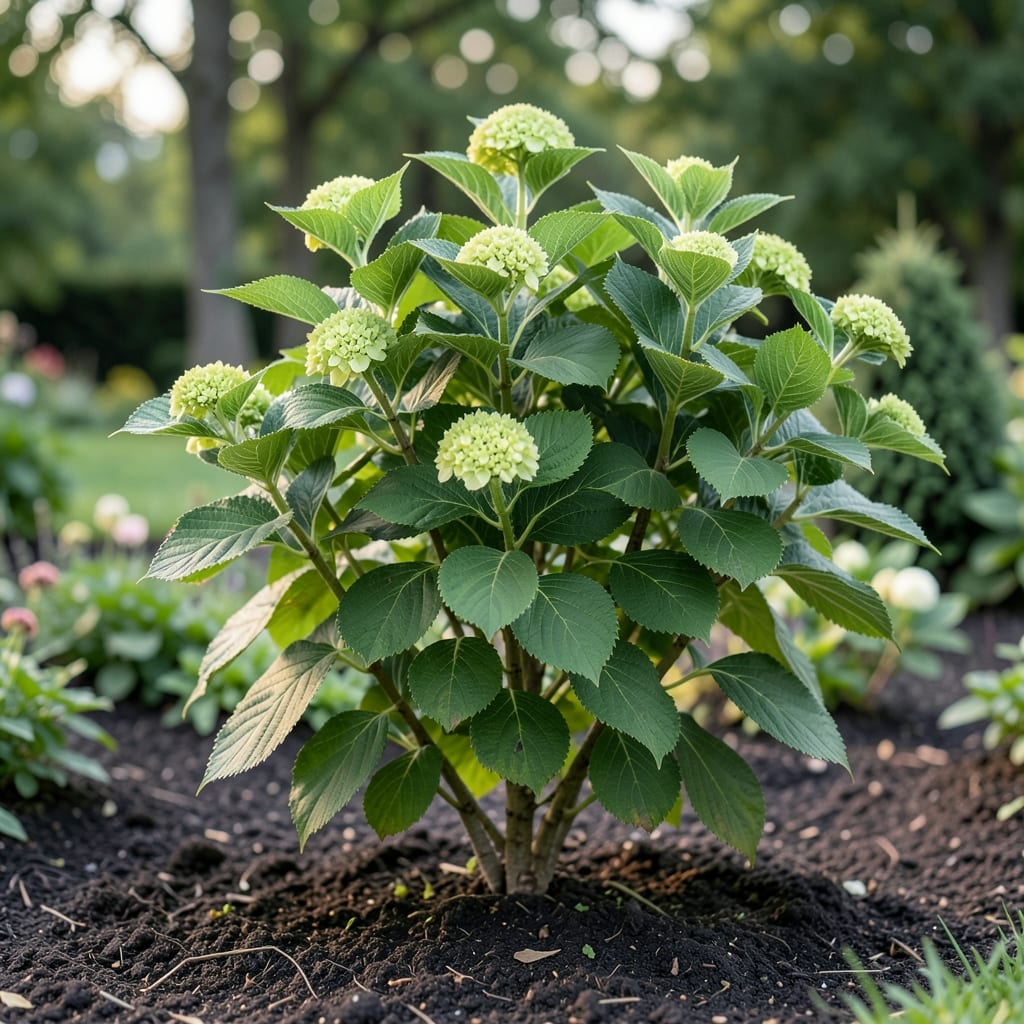
Those smooth, heart-shaped leaves on your hydrangea arborescens are stunning, but here’s the thing—they’re not as harmless as they look. I learned this the hard way after my dog took a curious nibble last summer.
While not deadly, these leaves contain compounds that can cause stomach upset in pets and humans. The good news? Simple precautions keep everyone safe while you enjoy their lush green beauty all season long.
📚 In This Guide
Understanding the risks and proper handling ensures you can enjoy this plant without worry.
Hydrangea arborescens contains glycosides, particularly hydrangin, which are concentrated in the leaves. These compounds can cause stomach pain, nausea, or vomiting if ingested in significant quantities. I always remind myself that even small amounts can be harmful to pets or children.
You’ll notice the leaves are broad, serrated, and often a vibrant green—never assume they’re safe just because they look harmless. The toxic properties remain even after the leaves dry, so never use them in compost that might be applied to edible plants.
Whenever I prune or handle this shrub, I wear long-sleeved gloves and safety glasses to prevent skin irritation or accidental eye contact. The sap from freshly cut stems can cause mild dermatitis in sensitive individuals, so it’s better to be cautious.
After working with the plant, wash your hands thoroughly with soap and water. This removes any residual sap or leaf particles that could accidentally be transferred to your mouth or eyes. I keep a dedicated pair of gardening gloves just for handling potentially toxic plants.
Never burn hydrangea leaves or prunings, as the smoke can carry toxic compounds that may be inhaled. Instead, collect the material in a sturdy trash bag and dispose of it with your regular household waste. This prevents accidental ingestion by wildlife or pets.
If you’re composting, avoid adding hydrangea leaves to piles used for edible gardens. The toxins can persist in the soil and potentially be absorbed by vegetables or herbs. I maintain a separate compost bin for ornamental plant debris to keep things safe.
Make sure everyone in your household, especially children, understands that hydrangea leaves are not to be eaten. I place a small, discreet sign near my shrubs as a reminder. It’s a simple step that can prevent accidental ingestion.
For homes with pets, consider placing a physical barrier, like a small decorative fence, around the shrub. Dogs and cats are less likely to nibble on the leaves if they can’t easily access them. Supervise pets when they’re outdoors near the plant.
If someone accidentally ingests hydrangea leaves, watch for symptoms like nausea, dizziness, or skin irritation. In such cases, contact a healthcare provider or poison control center immediately. Keep the plant’s name and a sample of the leaf handy for quick identification.
For pets, symptoms may include vomiting, diarrhea, or lethargy. Contact your veterinarian right away if you suspect they’ve eaten any part of the plant. I keep my vet’s emergency number saved in my phone for situations like this.
Here’s what I’ve learned from years of gardening to keep everyone safe around this beautiful but potentially hazardous plant.
Safety First with Protective Gear: Step 2 emphasizes wearing long-sleeved gloves and safety glasses, and I can’t stress this enough. The sap from freshly cut stems can cause mild dermatitis, and the last thing you want is accidental eye contact. I keep a dedicated pair of gloves just for handling this shrub to avoid cross-contamination.
Dispose with Caution: In Step 3, burning the leaves is a big no—this releases toxic compounds into the air. Instead, use a sturdy trash bag for disposal. If you compost, never mix these leaves with piles meant for edible gardens, as the toxins can linger in the soil and affect your vegetables or herbs.
Educate Everyone in Your Household: Step 4 highlights the importance of making sure children and visitors know not to touch or eat the leaves. I’ve found that placing a small, discreet sign near the shrubs serves as a helpful reminder. For pet owners, a physical barrier like a decorative fence can keep curious animals away.
Know the Symptoms: Step 5 outlines what to watch for if exposure occurs. For humans, nausea, dizziness, or skin irritation are red flags. For pets, vomiting, diarrhea, or lethargy mean it’s time to call the vet. I always keep emergency numbers saved in my phone for quick access.
Yes, they contain cyanogenic glycosides, which can release cyanide if ingested in large quantities. Avoid eating them and keep children/pets away. Symptoms include nausea, vomiting, or dizziness if consumed.
Contact your veterinarian or a pet poison hotline immediately. Monitor for vomiting, diarrhea, or lethargy. Remove access to the plant and provide fresh water to dilute any toxins.
Prune in late winter or early spring before new growth starts. This minimizes exposure to leaves and ensures the plant focuses energy on healthy, non-toxic regrowth.
Yes, but avoid using compost with edible plants. The toxins break down over time, but it’s best to use the compost for non-edible gardens to prevent accidental ingestion.
Consider pet-safe plants like marigolds, sunflowers, or roses. These provide similar aesthetic appeal without the risk of toxicity to pets or children.