
Beautiful Plants For Your Interior
Beautiful Plants For Your Interior
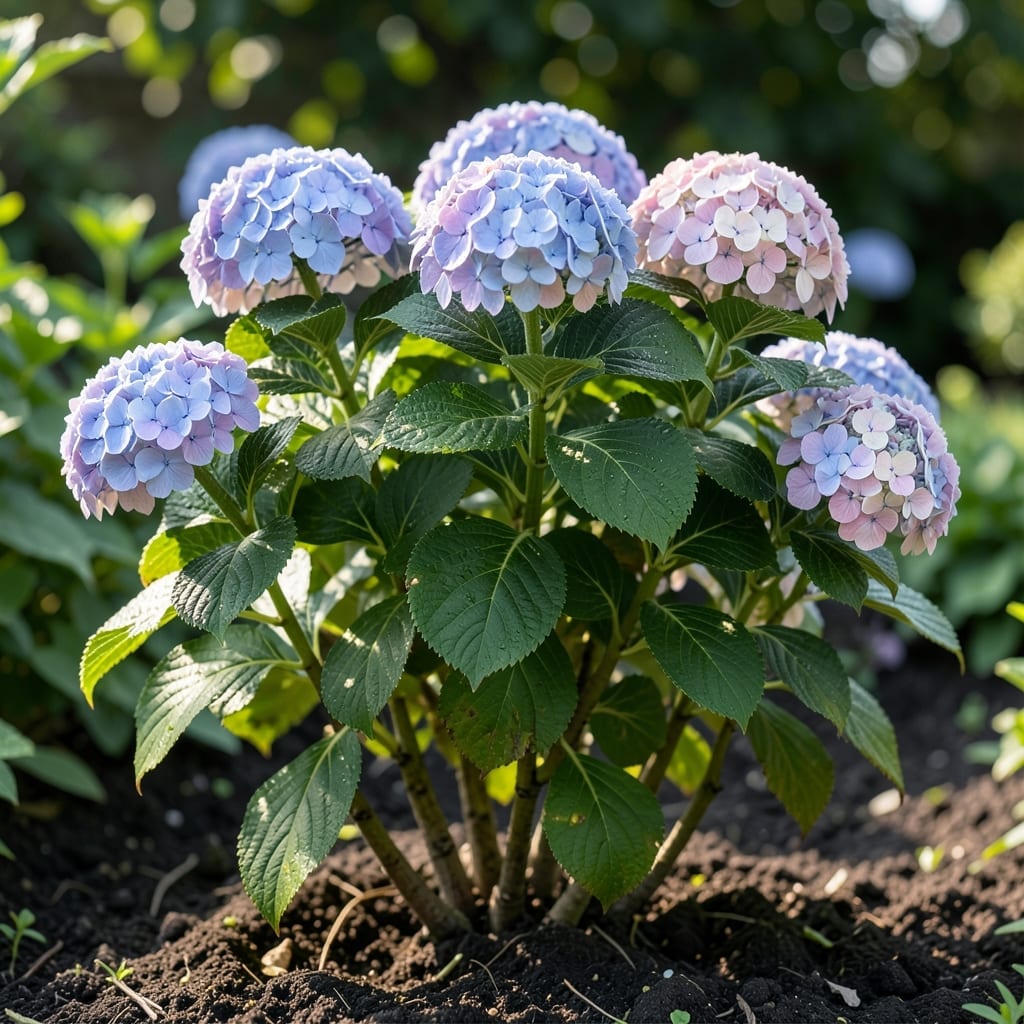
Hydrangeas are beloved for their lush blooms, but many gardeners struggle to find the right balance of sunlight for their 🌸 Hydrangea. Getting this wrong can mean the difference between thriving plants and wilted disappointments.
I’ve seen firsthand how the wrong light exposure can stress these beautiful shrubs. The good news? Some varieties actually thrive with afternoon sun when given proper care and conditions.
You’ll discover which hydrangea types handle partial sun best, along with the soil and watering secrets to keep them flourishing. It’s easier than you might think to create the perfect environment.
Whether you’re working with a sunny backyard or dappled shade, these tips will help your hydrangeas reach their full potential. Let’s get started on the path to vibrant, healthy blooms.

Not all hydrangeas handle afternoon sun equally. I’ve found that panicle hydrangeas like ‘Limelight’ and ‘Little Lime’ are the most sun-tolerant, thriving in up to 6 hours of direct sunlight. 🌿
For gardeners in warmer climates, oakleaf hydrangeas such as ‘Snow Queen’ are another excellent choice. These native shrubs can handle morning sun and afternoon shade beautifully while offering stunning fall foliage. 🌱
| Variety | Sun Tolerance | Bloom Color | Mature Size |
|---|---|---|---|
| Panicle ‘Limelight’ | Full sun to part shade | White to pink | 6-8 ft tall |
| Oakleaf ‘Snow Queen’ | Part sun to shade | White | 4-6 ft tall |
| Bigleaf ‘Endless Summer’ | Morning sun, afternoon shade | Blue or pink | 3-5 ft tall |
If you love classic hydrangea blooms, bigleaf varieties like ‘Endless Summer’ can work in afternoon sun, but they need consistent moisture and protection from intense heat. These rebloomers offer long-lasting color from summer to fall. ☀️
For smaller spaces, consider dwarf panicle hydrangeas like ‘Little Lime’. These compact shrubs pack a punch with chartreuse blooms that turn pink as they age, all while tolerating afternoon sun better than most. 🪴
Remember that soil type affects sun tolerance. Hydrangeas in rich, well-draining soil handle more sun than those in poor or clay-heavy ground. I always amend planting holes with compost for best results.
In hotter zones, even sun-tolerant varieties benefit from dappled afternoon shade. A location with eastern exposure or light tree cover provides ideal conditions for most hydrangeas to thrive without stress.
Mulching is another key to success. A 2-3 inch layer of organic mulch helps retain moisture and keeps roots cool during hot afternoons. I prefer shredded bark or pine straw for my hydrangea beds.
For the most vibrant blooms, test your soil’s pH. Bigleaf hydrangeas produce blue flowers in acidic soil (pH 5.0-5.5) and pink blooms in alkaline soil (pH 6.0-6.5). This simple test can help you choose the right variety for your garden’s conditions.
Finally, don’t overlook smooth hydrangeas like ‘Annabelle’. While they prefer partial shade, they can handle morning sun and are known for their huge white blooms and exceptional cold hardiness. These are perfect for gardeners in cooler climates.
Afternoon sun can be tough on hydrangeas, especially in hotter climates. I’ve learned that panicle hydrangeas like Limelight handle heat better than bigleaf varieties. Even sun-tolerant types need protection from scorching rays.
Strategic planting makes all the difference. I place mine where they get dappled shade after noon. This simple step prevents leaf scorch while still allowing vibrant blooms.
I always mulch heavily around my hydrangeas with organic material. A 2-3 inch layer of bark or compost keeps roots cool and conserves water during hot afternoons.
Watering is crucial when hydrangeas face afternoon sun. I give mine a deep soak at dawn, ensuring moisture reaches root depth. This prevents wilting when temperatures peak.
If you notice brown leaf edges, it’s often a sign of heat stress. I immediately increase shade and water more frequently until the plant recovers.
With these simple adjustments, your hydrangeas can thrive even with afternoon sun exposure. The key is consistent care and observation of your plants’ needs ☀️