
Beautiful Plants For Your Interior
Beautiful Plants For Your Interior
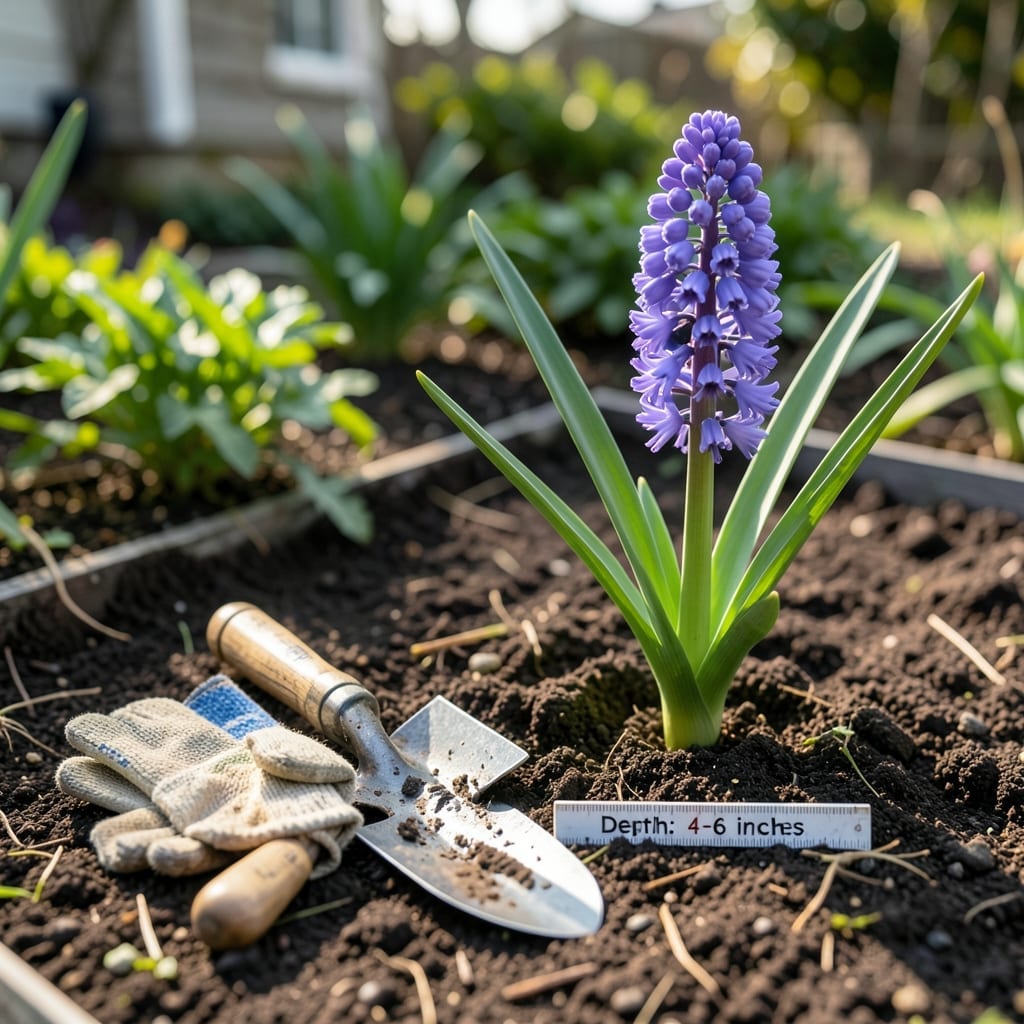
Planting hyacinths at the right depth is the key to stunning spring blooms and healthy bulbs that return year after year.
Get it wrong, and you risk rot, poor growth, or no flowers at all. I’ve seen too many gardeners make this simple mistake with their 🌷 Hyacinth.
Discover how a few extra inches in the soil can make all the difference for your bulbs.
From soil prep to spacing, I’ll walk you through everything you need to ensure vibrant, long-lasting blooms in zones 4-8.

I always tell gardeners that planting depth is the make-or-break factor for hyacinth bulbs. Go too shallow, and you expose them to freeze damage. Bury them too deep, and they may rot or fail to sprout come spring.
For most hyacinth varieties, the sweet spot is 6 to 8 inches deep. This depth gives the root system enough insulation while still allowing the shoots to break through the soil easily.
| Requirement | Specification |
|---|---|
| Bulb Size | Standard (2-3 inches) |
| Planting Depth | 6-8 inches |
| Soil Type | Well-draining |
| Spacing | 4-6 inches apart |
| Best Time | Fall (September-November) |
In colder climates like USDA zones 4-5, I recommend planting at the deeper end of the range. This extra insulation protects the bulbs from harsh winter temperatures.
For warmer regions in zones 7-8, a 6-inch depth is usually sufficient. The soil stays warmer longer, so the bulbs don’t need as much protection from the cold.
I’ve found that soil type plays a big role too. In heavy clay, plant slightly shallower to prevent waterlogging. In sandy soil, you can go a bit deeper since it drains faster.
Bulb size matters as well. For larger hyacinth bulbs (3+ inches), aim for the 8-inch mark. Smaller bulbs can be planted at 6 inches without issue.
After planting, I always water thoroughly to help the roots establish. This first drink is critical for success, so don’t skip it even if the weather is cool. 🌷
If you’re planting in containers, reduce the depth by 1-2 inches. The limited space means the soil will stay colder than in the ground, so adjust accordingly.
Finally, mark your planting spots with garden flags or small sticks. This prevents accidental digging or disturbance before the spring growth appears. ☀️
I see many gardeners struggle with hyacinth planting depth because they either bury bulbs too shallow or plant them too deep. Both mistakes can ruin your spring display. 🌷
Another common error is overcrowding bulbs. Hyacinths need 3-6 inches of space between each bulb to grow properly and avoid competition for nutrients. Without this, you’ll get weak stems and smaller blooms.
⚠️ Avoid These Hyacinth Planting Errors
If your soil is heavy clay, planting at the standard 6-8 inch depth can trap moisture. In this case, I recommend raising the bed or mixing in sand to improve drainage.
Planting too late in the season is another pitfall. Hyacinths need 4-6 weeks to establish roots before the ground freezes. Aim to plant in early fall for best results.
For container gardening, depth is just as critical. Use a pot at least 8-10 inches deep and ensure it has drainage holes. Without proper depth, bulbs may freeze or rot. 🪴
Finally, remember that mulching can help regulate soil temperature. Add a 2-3 inch layer of organic mulch after planting to protect bulbs from temperature swings. This simple step boosts survival rates significantly.