
Beautiful Plants For Your Interior
Beautiful Plants For Your Interior
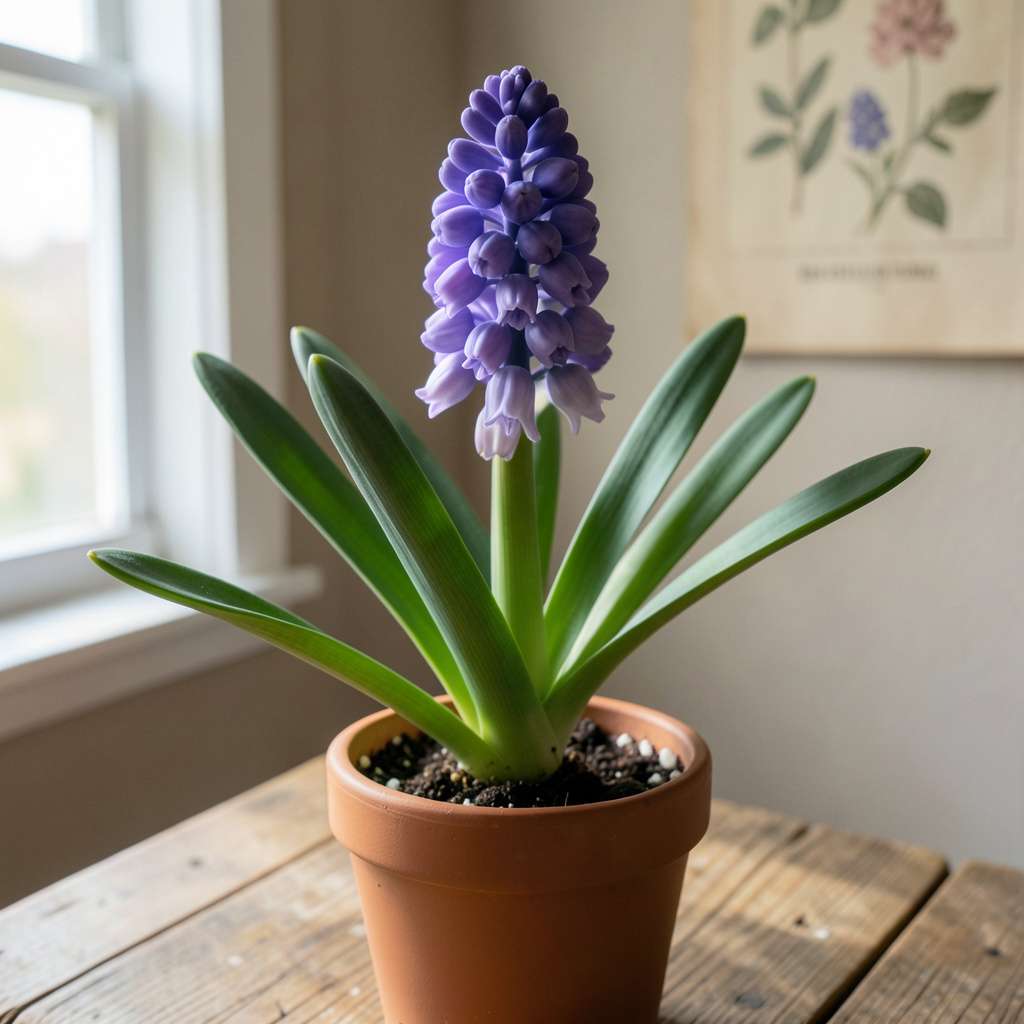
Hyacinths symbolize deep sorrow, regret, and rebirth, with colors carrying distinct meanings—purple for sorrow, white for purity, and pink for playfulness. Their Greek myth origins tie them to Apollo and tragic love.
These fragrant spring bloomers carry emotional weight that goes beyond their vibrant appearance. 🌷 I’ve always been fascinated by how their bell-shaped florets became intertwined with themes of loss and renewal—especially considering their role in ancient funeral rites. The flower’s intense fragrance was believed to carry prayers to the heavens, while its ability to regrow from bulbs year after year made it a natural symbol for life’s cyclical nature. Gardeners often plant them near memorial sites, where their bold colors serve as silent but powerful messengers of remembrance.
💡 In This Article
The hyacinth’s emotional resonance traces back to a heartbreaking myth involving Apollo and a young Spartan prince named Hyakinthos. According to Ovid’s Metamorphoses, the sun god accidentally struck his beloved with a discus during a training session.
As Hyakinthos lay dying, Apollo transformed his blood into a flower—its petals marked with the Greek letters “AI” (cry of lamentation). This origin story explains why ancient Greeks planted hyacinths on graves and used them in funeral wreaths. 🌱
The flower’s physical characteristics reinforced its symbolic role. Its deep purple petals resembled dried blood, while the strong fragrance (containing over 50 aromatic compounds) was believed to guide souls to the afterlife.
Archaeologists have found hyacinth bulbs in Minoan tombs dating back to 1600 BCE, where they were placed alongside the deceased as offerings to Persephone. The bulbs’ ability to regrow annually made them powerful symbols of resurrection in spring fertility rites.
Mediterranean cultures adapted the symbolism differently. Romans associated hyacinths with rebirth after winter, while early Christians saw them as representations of Christ’s resurrection. The flower appears in Byzantine mosaics alongside lambs and doves, where its six-petaled structure was thought to symbolize the six days of Creation.
This layered meaning explains why hyacinths became common in both pagan and Christian burial sites throughout Europe.
What’s fascinating is how the myth’s details influenced horticultural practices. Ancient gardeners selectively bred hyacinths to enhance their blood-red hues, creating varieties like ‘Jan Bos’ with its deep crimson streaks. The flower’s early spring blooming (often February-March) perfectly aligned with memorial festivals in the ancient calendar.
Even today, Greek Orthodox churches use hyacinths in their Clean Monday celebrations, which honor departed loved ones.
The scientific name Hyacinthus orientalis reflects this history. “Orientalis” references its spread from the eastern Mediterranean, where the myth originated. Modern genetic studies show these flowers share 87% of their DNA with wild hyacinths still growing on Mount Olympus—connecting today’s garden varieties directly to Apollo’s legendary mourning.
When you plant hyacinths, you’re literally cultivating a piece of ancient grief and renewal. ✨
Consider these historical uses that persist today:
The connection comes from Greek mythology where Apollo created the flower from his lover Hyakinthos’ blood after a tragic accident. This origin story made hyacinths symbols of mourning and sorrow in ancient cultures. The flower’s deep purple hue and strong fragrance further reinforced this emotional association.
Deep purple hyacinths are most appropriate for expressing condolences, as they traditionally symbolize sorrow and regret. For a more hopeful message, white hyacinths can represent purity and new beginnings. Always consider the recipient’s cultural background when selecting colors.
Pink hyacinths represent playfulness and affection, while blue varieties symbolize constancy and trust. White hyacinths convey purity and are perfect for celebrations like weddings. The key is choosing the right color for your intended message.
Yes, in many European countries purple hyacinths are reserved for funerals and shouldn’t be given for happy occasions. Yellow hyacinths traditionally symbolize jealousy, so avoid giving them to romantic partners. When unsure, pink or light blue are safe choices.
With proper care, cut hyacinths can last 7-10 days in a vase. Change the water daily and trim stems at an angle every 2-3 days to maximize freshness. Their intense fragrance means just a few stems can perfume an entire room.
