
Beautiful Plants For Your Interior
Beautiful Plants For Your Interior
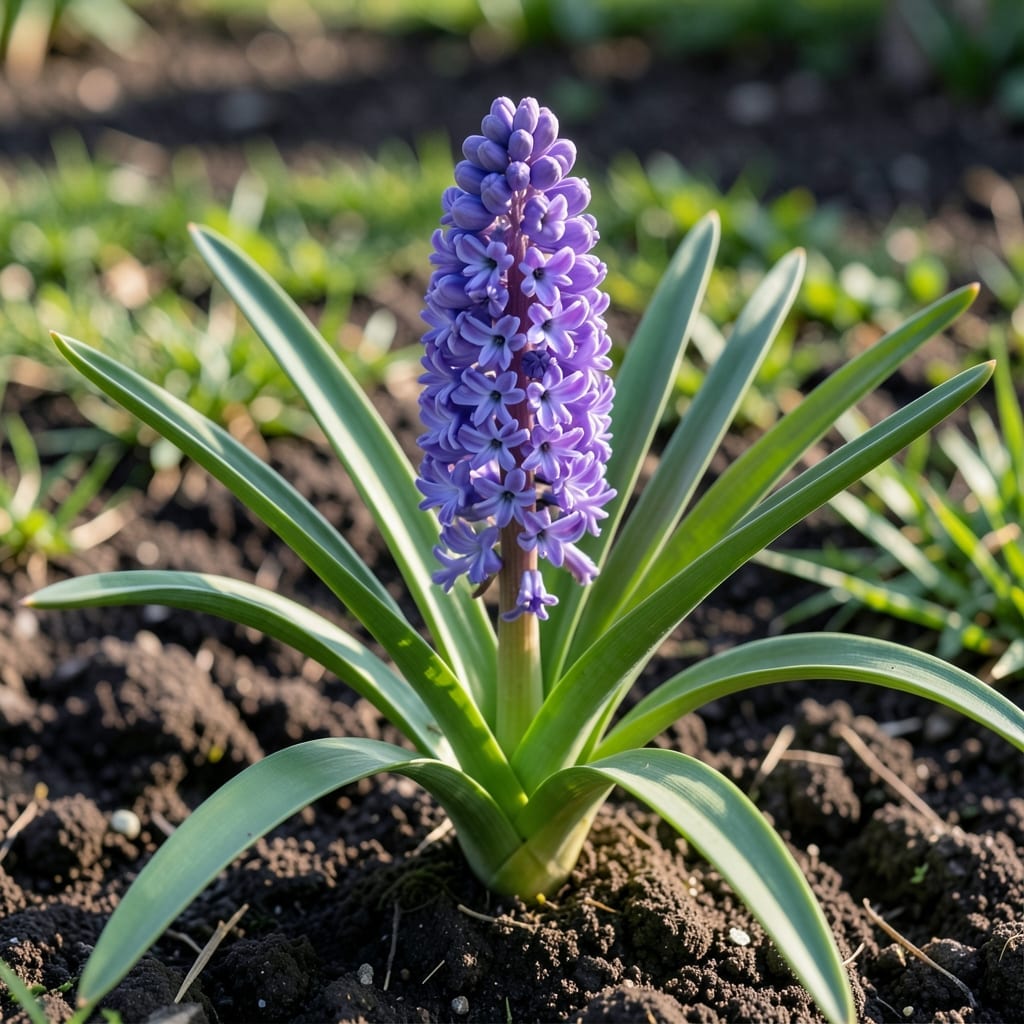
There’s something magical about watching a garden burst to life, and the Hyacinth 🌷 is one of the first to steal the show. Its bloom season brings vibrant colors and intoxicating fragrance, but timing can be a mystery.
If you’ve ever wondered when to expect those stunning spikes of flowers, you’re not alone. The arrival of spring signals their grand entrance, but regional differences and care habits can shift the timeline.
I’ll walk you through the typical bloom window for these beauties, plus the subtle factors that might tweak the schedule. Whether you’re planting in zone 4-8 or just curious, you’ll know exactly what to expect.
Discover how to make the most of your Hyacinth display and keep those blooms thriving longer. Let’s dig in.
I love watching gardens burst to life when hyacinth bloom season arrives, and timing varies by region. In most areas, these fragrant beauties bloom in early to mid-spring, typically March through April. The exact timing depends on your USDA hardiness zone and local weather patterns.
In warmer USDA zones 8-9, hyacinths may start blooming as early as late February. Cooler zones like 4-5 usually see flowers in April or early May. Temperature triggers are key—consistent warmth above 50°F kickstarts the blooming process.
| USDA Zone | Bloom Start | Peak Season |
|---|---|---|
| Zones 4-5 | Late March | April |
| Zones 6-7 | Early March | March-April |
| Zones 8-9 | Late February | March |
Early blooming hyacinth varieties like ‘Purple Sensation’ may flower 1-2 weeks before standard types. Late bloomers such as ‘Woodstock’ often extend the season into early May in cooler climates. I always track my local last frost date to predict blooms.
Temperature fluctuations can delay or accelerate blooming. A late cold snap might pause growth, while an early warm spell can trigger premature flowering. I’ve seen hyacinths bloom 2-3 weeks early during unseasonably warm springs.
Soil temperature matters too. Bulbs planted in well-draining soil warm up faster than those in heavy clay. I recommend using a soil thermometer to monitor conditions—60°F soil temps often signal imminent blooms.
Sun exposure plays a role in timing. Full sun locations typically see blooms 5-7 days earlier than shady spots. I position my hyacinths where they’ll get 6-8 hours of sunlight daily for optimal timing.
For container-grown hyacinths, the bloom season can be slightly earlier because pots warm up faster than garden soil. I’ve had success forcing indoor hyacinths to bloom for winter holidays by chilling bulbs for 12-14 weeks before bringing them inside.
Regional microclimates create variations. Urban heat islands often experience earlier blooms than rural areas. In my experience, south-facing slopes warm up first, leading to earlier hyacinth displays than north-facing gardens.
To maximize your hyacinth bloom season, plant bulbs in fall and ensure proper winter chilling. This preparation helps the bulbs store energy for a spectacular spring show 🌷
I love how hyacinths can brighten up early spring gardens with their vibrant colors and sweet fragrance. With a few simple tricks, you can prolong their bloom season or even coax them to flower earlier than usual.
For earlier blooms, I recommend planting bulbs in well-draining soil and placing them in a sunny location to encourage faster growth. A little extra warmth can make all the difference in getting those first flowers to appear sooner.
To extend the bloom season, I always plant my hyacinths in clusters of 6-8 bulbs. This creates a microclimate that helps retain warmth and moisture, giving the flowers a longer window to thrive.
Mulching is another game-changer. I apply a 2-inch layer of organic mulch around the base of my hyacinths to insulate the soil and protect the bulbs from extreme temperature fluctuations that can cut blooming short.
Indoor forcing is perfect for winter color. I start bulbs in pots indoors about 10-12 weeks before I want them to bloom, keeping them in a cool, dark place until roots develop, then move them to a sunny windowsill.
Remember, after blooming, keep foliage intact for at least 6 weeks to allow the bulb to store energy for next year’s flowers. This simple step ensures stronger, more vibrant blooms in future seasons.
With these techniques, I’ve successfully extended my hyacinth season by up to 2-3 weeks each year 🌷