
Beautiful Plants For Your Interior
Beautiful Plants For Your Interior
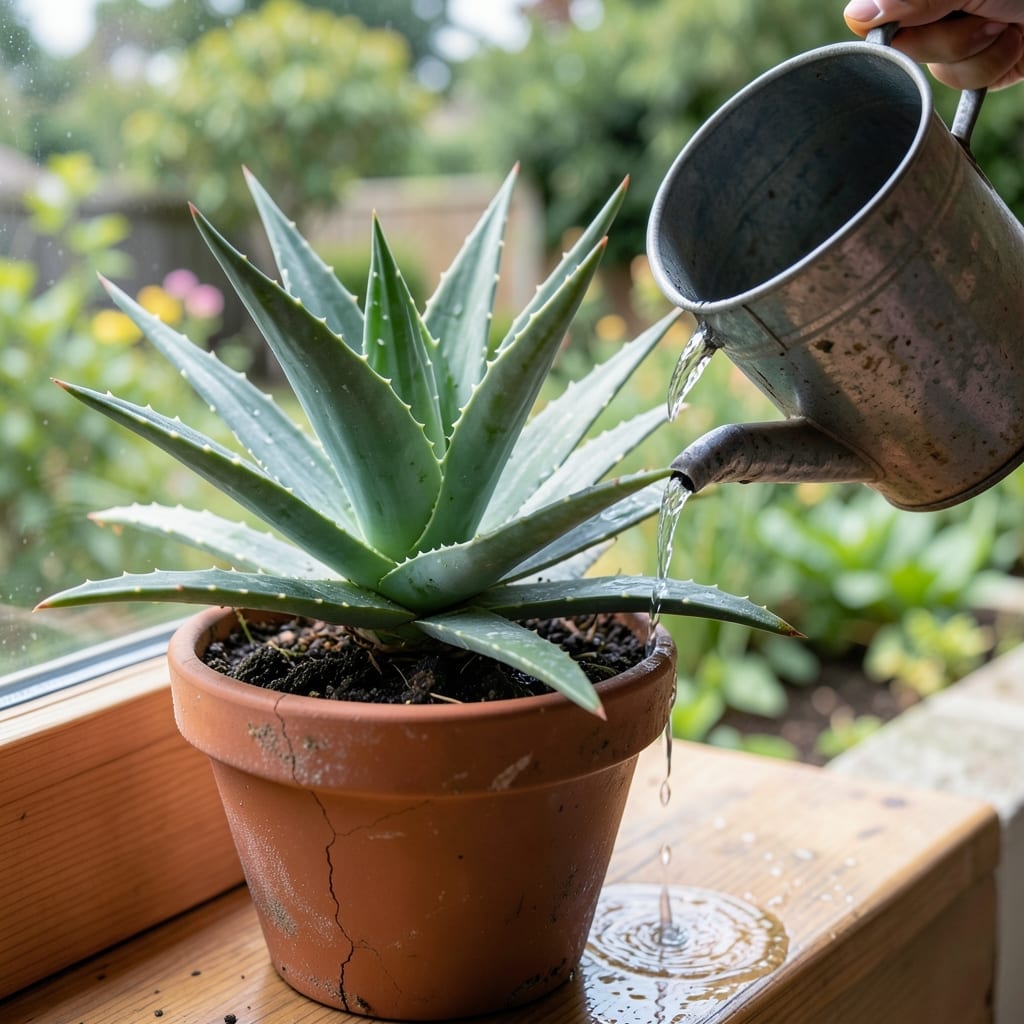
Watering your 🌵 Aloe Vera incorrectly can turn a thriving succulent into a rotting mess. It’s shocking how often this simple step gets overlooked.
This hardy plant thrives on neglect, but there’s a right way to give it moisture. Every 2-3 weeks is the sweet spot for most climates.
The key is letting the soil dry completely between waterings. That drought tolerance is what makes Aloe Vera so forgiving for busy plant parents.
Discover how to spot the signs of overwatering or thirst, and you’ll keep your 🌵 Aloe Vera happy with minimal effort.
I’ve learned that aloe vera plants thrive on neglect more than attention, especially when it comes to watering. These succulents store water in their thick leaves, making them incredibly drought-tolerant. The key is to mimic their natural arid environment as closely as possible.
Overwatering is the number one killer of aloe plants. They prefer dry soil between waterings, and their roots can rot if left in soggy conditions. I always check the soil first—if it’s dry 2 inches down, it’s time to water.
I use the “soak and dry” method for my aloe. This means giving it a thorough watering until water runs out of the drainage holes, then letting the soil dry out completely before watering again. This approach encourages deep root growth and prevents rot.
For potted aloe vera, ensure your container has drainage holes. Without them, excess water has nowhere to go, leading to root rot. I always use a well-draining soil mix, like one designed for cacti or succulents, to further prevent moisture issues.
If you notice yellowing leaves or a mushy stem, you’re likely overwatering. On the flip side, wrinkled leaves or dry soil pulling away from the pot edges signal underwatering. Adjust your routine based on these visual cues.
I water my aloe in the early morning to allow excess moisture to evaporate during the day. This reduces the risk of fungal diseases that can develop in cooler, damp evening conditions. Consistency in timing helps the plant establish a healthy routine.
Remember, less is more with aloe vera. These plants are survivors and can go weeks without water. In fact, I’ve left mine unattended for a month during summer travel and returned to find it perfectly fine.
If you’re growing aloe outdoors in a warm climate, reduce watering frequency during rainy seasons. The natural precipitation will often provide enough moisture. For indoor plants, stick to the 2-3 week rule, adjusting slightly for humidity levels in your home.
By following these simple steps, your aloe vera plant will stay healthy and vibrant, ready to soothe any minor burns or skin irritations with its healing gel. It’s a rewarding plant that asks for so little in return for its many benefits. 🌱
I’ve found that aloe vera plants thrive when their watering schedule matches the season and climate. These hardy succulents need less water than you might think, especially in cooler months.
In spring and summer, I water my aloe every 2-3 weeks, but in fall and winter, I stretch it to 3-4 weeks. The key is letting the soil dry completely between waterings.
| Season | Watering Frequency |
|---|---|
| Spring | Every 2 weeks |
| Summer | Every 2-3 weeks |
| Fall | Every 3 weeks |
| Winter | Every 4 weeks |
For hot climates, I reduce watering even more. If temperatures soar above 90°F, I might wait 3-4 weeks between waterings to prevent root rot.
Indoor aloe plants in air-conditioned spaces often need water less frequently than outdoor plants. I always check the soil moisture with my finger before watering.
In humid regions, I’m extra cautious. The extra moisture in the air means the soil stays damp longer, so I extend the interval to 4 weeks in summer.
Remember, well-draining soil is non-negotiable. I use a cactus mix with perlite to ensure excess water escapes quickly, keeping my aloe happy and healthy
🌱