
Beautiful Plants For Your Interior
Beautiful Plants For Your Interior
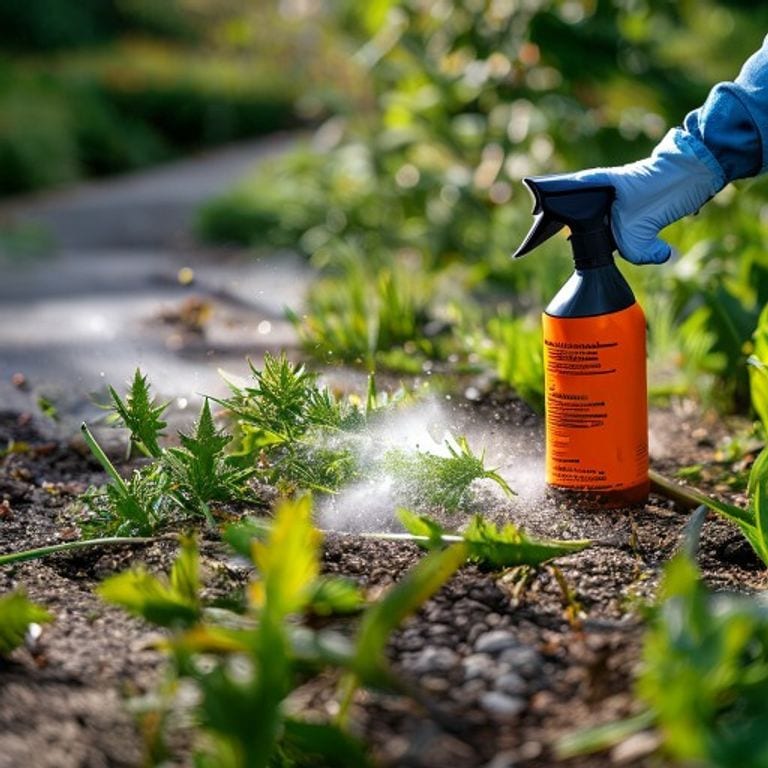
Struggling with stubborn weeds and unwanted grass in your lawn? Roundup Weed And Grass Killer 🌱 can be your most effective solution—but only if applied correctly.
I’ve seen too many people waste time and effort using it the wrong way. The truth is, this powerful tool works best when you understand its proper application.
From timing to technique, every detail matters for maximum effectiveness. You’ll want to pay special attention to the conditions when you spray.
Let me show you exactly how to use it safely and efficiently. Your lawn will thank you for learning these key strategies.
Using Roundup weed and grass killer effectively starts with proper timing. I always check the weather forecast first—apply on a dry, sunny day with no rain expected for 24-48 hours. This ensures the herbicide stays on the weeds long enough to work.
The best temperature range is between 60°F and 85°F. Avoid applying during extreme heat or cold snaps, as it can reduce effectiveness. Early morning or late afternoon applications work best for me.
For targeted treatment, I use a shielded sprayer to protect nearby plants. This is especially important when treating weeds close to flower beds or vegetable gardens. Precision prevents accidental damage to plants you want to keep.
Always wear protective gear, including gloves and long sleeves. Roundup contains glyphosate, which can irritate skin. I also recommend eye protection to avoid accidental spray contact.
After application, keep pets and children off the treated area until the spray has completely dried. This usually takes 2-4 hours, but check the product label for specific guidance.
For large lawn areas, consider using a systemic herbicide like Roundup’s concentrated formula. It’s more cost-effective for treating 1,000+ sq ft and provides longer-lasting control.
I’ve found that spring and fall are the most effective seasons for application. Weeds are actively growing during these times, making them more susceptible to the herbicide. Avoid applying during dormant periods in winter.
If you’re treating driveways or patios, a ready-to-use spray is convenient. For large or persistent weeds, the super concentrate offers better value and stronger results.
Finally, store any leftover solution in its original container, tightly sealed. Keep it in a cool, dry place away from children and pets. Never reuse containers for other purposes.
☀️Even the most experienced gardeners can make costly errors with Roundup. I’ve seen over-application ruin entire lawns and poor timing waste product. Avoid these pitfalls to get the most out of your weed control efforts.
Safety first! Many skip protective gear like gloves and goggles, exposing skin and eyes to glyphosate. Always follow the label instructions to the letter for your own protection.
⚠️ Avoid These Roundup Blunders
Applying in rainy weather or high winds can cause drift and reduce effectiveness.
Spraying desired plants by accident—use a shield or targeted applicator for precision.
Using expired product or wrong concentration leads to weak results.
Timing is everything with Roundup. Applying it during dormant seasons or when weeds aren’t actively growing means the herbicide won’t be absorbed properly. I always aim for spring or early summer for best results.
Another common mistake is ignoring the weather. If rain is forecast within 6 hours of application, the herbicide can wash away before it takes effect. I check the weather forecast religiously before spraying.
Don’t forget about soil residue. If you plan to replant in the treated area, some Roundup formulations can linger. I wait at least 3 days before sowing new grass or plants to avoid stunted growth.
Finally, storage matters. Leaving Roundup in direct sunlight or extreme temperatures can degrade its potency. I store mine in a cool, dry place away from children and pets. ☀️