
Beautiful Plants For Your Interior
Beautiful Plants For Your Interior
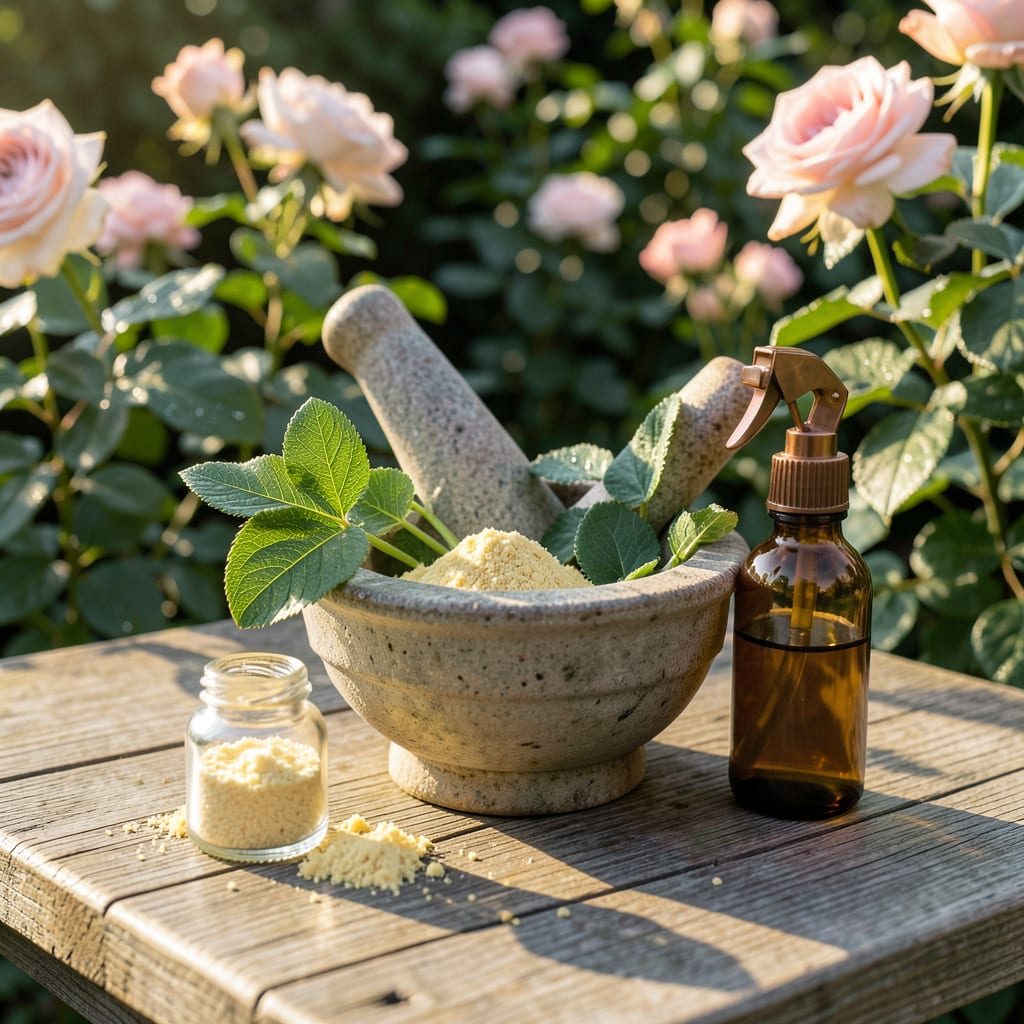
Orange spots on your rose leaves aren’t just ugly—they’re stealing your plant’s strength. I’ve fought this fungus for seasons, and the key is catching it early before it spreads to every cane and bud.
Most gardeners miss the first signs: tiny yellow splotches that turn rusty and puffy. Left unchecked, it weakens the plant, reduces blooms, and can even kill younger bushes. The good news? It’s 100% treatable with the right approach.
You’ll see new growth return to that vibrant green within 2-3 weeks of starting treatment. The blooms come back stronger, and your roses regain their natural resistance to future outbreaks.
Works for climbers, shrubs, and hybrid teas alike. Here’s how to stop it in its tracks.
Rust on roses is a common fungal disease caused by Phragmidium species, which thrive in specific environmental conditions. Understanding why rust appears is the first step to preventing and treating it effectively. Below are the primary causes:
Fungal spores require consistent moisture to germinate and spread. Roses exposed to prolonged leaf wetness—from rain, overhead watering, or high humidity—are prime targets. Water droplets on leaves create the perfect breeding ground for rust spores to take hold.
Rust fungi thrive in moderate to warm temperatures (60–75°F / 15–24°C). When combined with moisture, these conditions accelerate spore growth. Roses in regions with mild, damp springs or falls are especially susceptible.
Dense foliage or crowded plantings trap humidity around rose leaves, preventing them from drying quickly. This stagnant air fosters fungal development. Pruning for better airflow and spacing plants properly can reduce risk.
Rust spores overwinter in fallen leaves, canes, and garden debris. If not removed, these spores reactivate in spring, reinfecting new growth. Sanitation is critical to breaking the disease cycle.
Some roses are genetically more prone to rust, particularly hybrids and older cultivars. Varieties like Rosa gallica or certain climbers often lack natural resistance, making them easier targets for infection.
Rust is a common fungal disease that can weaken your roses, but it’s treatable with the right approach. Below are practical solutions tailored to the root causes, along with prevention tips to keep your garden thriving.
If you spot orange or yellow pustules on leaves, prune infected parts immediately. Use clean, sharp shears to remove affected leaves, stems, or canes, and dispose of them in the trash—not the compost. This prevents the fungus from spreading. Prevention tip: Space plants for better airflow, which discourages fungal growth.
Fungus thrives in moist conditions. Water at the base of the plant early in the day so foliage dries quickly. Avoid overhead watering, especially in the evening. Prevention tip: Use a drip irrigation system to keep leaves dry while ensuring roots get enough moisture.
For severe cases, use a copper-based fungicide or neem oil, following label instructions. Apply in the evening to avoid harming beneficial insects. Organic options like baking soda spray (1 tbsp baking soda + 1 tsp dish soap + 1 gallon water) can also help. Prevention tip: Apply preventatively in early spring or after wet weather to stop rust before it starts.
A strong rose is less susceptible to disease. Fertilize regularly with a balanced formula and ensure the soil is well-draining. Mulch with organic matter to reduce soil-borne spores. Prevention tip: Choose rust-resistant rose varieties like ‘Knock Out’ or ‘Iceberg’ for long-term peace of mind.
With proper treatment, you’ll typically see improvement in 7-14 days. New growth should appear healthy, though severely infected leaves may not recover. Consistency is key—continue treatments for at least 2-3 weeks to fully break the fungal cycle.
Yes! A baking soda spray (1 tablespoon baking soda + 1 teaspoon dish soap + 1 gallon water) works well for mild cases. Apply weekly, especially after rain. Neem oil is another effective natural option.
Rust is rose-specific and won’t spread to most other plants. However, it can jump between rose bushes. Remove infected debris immediately and avoid overhead watering to prevent spreading.
Apply fungicides or sprays in the early morning or late evening. This allows the solution to dry on leaves without risking sunburn or harming pollinators. Avoid midday heat.
