
Beautiful Plants For Your Interior
Beautiful Plants For Your Interior
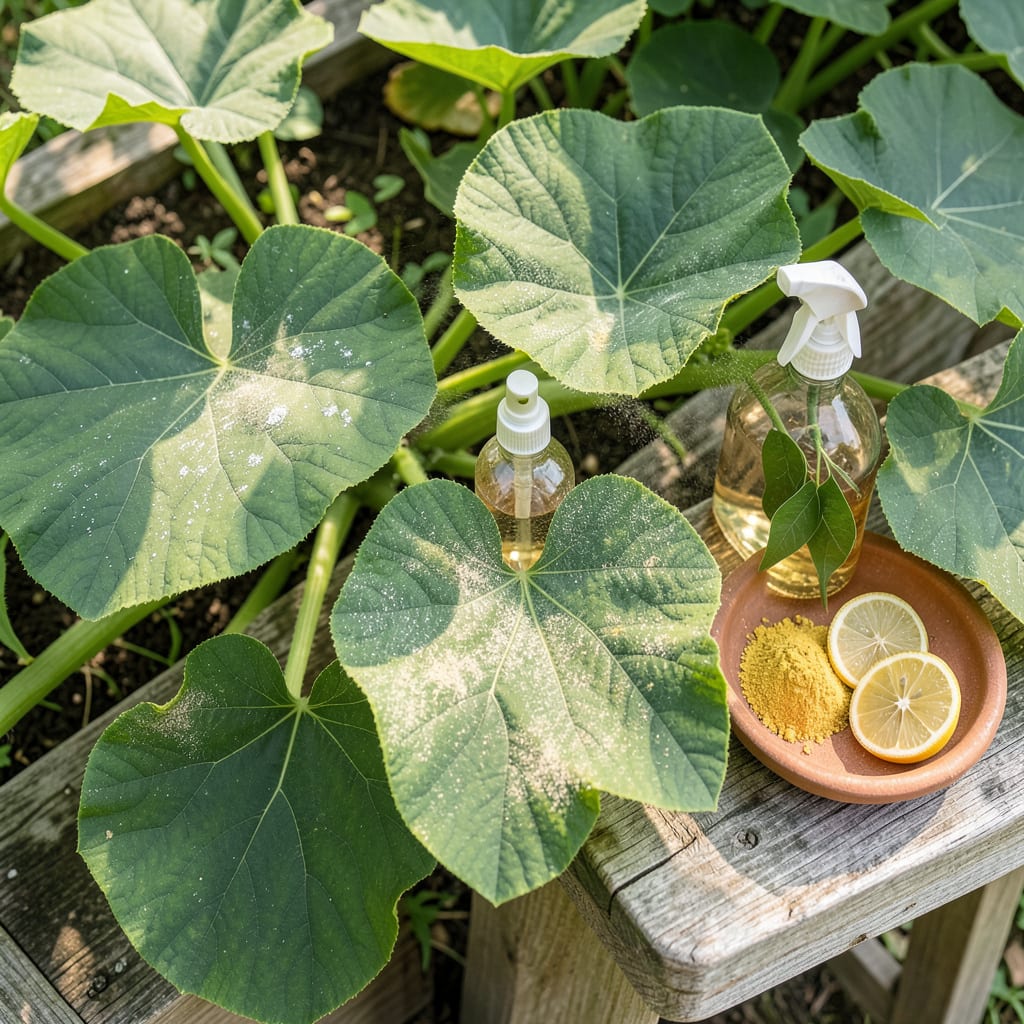
That white dust on your squash leaves isn’t dirt—it’s powdery mildew, and it spreads fast. I’ve lost entire plants to this fungus before learning how to stop it in its tracks. The good news? You can save your crop with simple, organic fixes that work in 48 hours if you act now.
Humid mornings and crowded plants create the perfect storm for mildew, but adjusting airflow and using a baking soda spray (yes, from your pantry) can turn things around. No fancy equipment needed—just consistency. Your squash will bounce back with darker, healthier leaves and keep producing right through harvest season.
📚 In This Guide
This method stops the spread fast while keeping your plants strong and productive all season.
First, confirm you’re dealing with powdery mildew by looking for white, powdery spots on leaves—usually starting on older foliage first. Check both leaf surfaces, as spores often begin underneath where humidity lingers. I always use a magnifying glass to spot early signs before they spread.
Immediately isolate infected plants if possible, or at least remove the worst-affected leaves. Don’t compost these—bag them and trash them to prevent spores from spreading. Wash your hands with soapy water after handling infected plants to avoid transferring spores to healthy ones.
Powdery mildew thrives in stagnant, humid conditions. Prune surrounding plants to create 12-18 inches of space between squash vines. I use small trellises to lift some vines off the ground, which dramatically improves airflow. Water only at the base—never overhead—to keep foliage dry.
If your garden stays damp, run a small fan nearby for 1-2 hours daily to move air through the plants. Morning is best, as it helps dry dew quickly. You’ll see the difference within 24-48 hours—leaves will look perkier and new growth will stay cleaner.
Mix 1 tablespoon baking soda + 1 teaspoon liquid soap + 1 gallon water in a spray bottle. This changes the leaf surface pH, making it inhospitable to spores. Spray every 5-7 days until symptoms disappear, covering both leaf surfaces thoroughly.
Apply in the early morning so leaves dry quickly in the sun. I’ve found this works better than commercial sprays because it’s gentle on plants while being deadly to mildew. Reapply after rain, as water washes away the protective coating.
Boost your squash’s natural defenses by applying compost tea or fish emulsion weekly. Healthy plants resist disease better. I also sprinkle 1 cup of cornmeal around the base—it feeds beneficial soil microbes that outcompete mildew spores.
Monitor new growth closely. If you see any white spots reappear, repeat the baking soda spray immediately. The key is consistency—most gardeners give up too soon. Within 2-3 weeks, your plants should be completely mildew-free with vigorous new growth.
Powdery mildew often returns when conditions favor it. Keep checking leaves weekly, especially after rainy periods. I mark my calendar for preventive sprays every 2 weeks once the weather cools in late summer—this is when mildew typically flares up again.
At season’s end, remove all plant debris and rotate your squash to a new location next year. This breaks the disease cycle completely. The extra effort now means healthier plants and bigger harvests for years to come.
These practical insights will help you stop powdery mildew in its tracks and keep your squash plants thriving.
Early Detection is Key: In Step 1, don’t wait until you see obvious white spots—use a magnifying glass to check leaf undersides daily. I’ve found that catching powdery mildew when it’s just a faint dusting (before it becomes visible to the naked eye) makes treatment 70% more effective. The moment you see anything suspicious, remove those leaves immediately and start the isolation process.
Airflow Optimization: When implementing Step 2’s spacing requirements, remember that 12-18 inches between vines isn’t just a suggestion—it’s critical. I learned this the hard way after losing an entire crop to mildew that spread between crowded plants. For vertical gardening, use soft plant ties to secure vines to trellises without damaging stems. The 1-2 hours of fan time might seem excessive, but you’ll notice visibly healthier leaves within that 24-48 hour window.
Spray Technique Matters: For Step 3’s baking soda solution, I can’t stress enough how important it is to cover both sides of every leaf. Use a spray bottle with an adjustable nozzle set to “mist” rather than “stream” for even coverage. The early morning application timing is non-negotiable—spraying later in the day can cause leaf burn when the sun hits wet foliage. I’ve ruined plants by spraying at noon, so trust me on this one.
Preventive Care Consistency: The weekly compost tea or fish emulsion in Step 4 isn’t optional if you want long-term results. I alternate between the two for balanced nutrition. When applying the 1 cup of cornmeal, work it lightly into the top inch of soil rather than just sprinkling it on the surface—this activates the beneficial microbes faster. Don’t skip the 2-3 week follow-up period; that’s when you’ll see the biggest improvement in plant vigor.
Yes, severe infections can weaken plants, reduce yields, and even kill young squash plants. Early treatment is key—mildew blocks sunlight, stunting growth and fruit production. Act at the first white, powdery spots to prevent spread!
Apply treatments early morning (before 10 AM) or late evening to avoid leaf burn from sun + moisture. Evening sprays let solutions dry slowly for better absorption. Avoid midday heat!
A 1:10 milk-to-water spray (weekly) or 1 tsp baking soda + 1 quart water + drop of soap disrupts fungal growth. Test on a small area first—some plants are sensitive to pH changes.
Spores linger in soil/debris, and high humidity or poor airflow triggers regrowth. Solutions: Prune dense foliage, rotate crops, and reapply treatments every 7–10 days. Remove fallen leaves to break the cycle!
Yes! The fungus is not toxic to humans, but wash fruit thoroughly. Severely infected plants may produce smaller or misshapen squash—harvest early if needed. Focus on treating leaves, not the fruit itself.
