
Beautiful Plants For Your Interior
Beautiful Plants For Your Interior
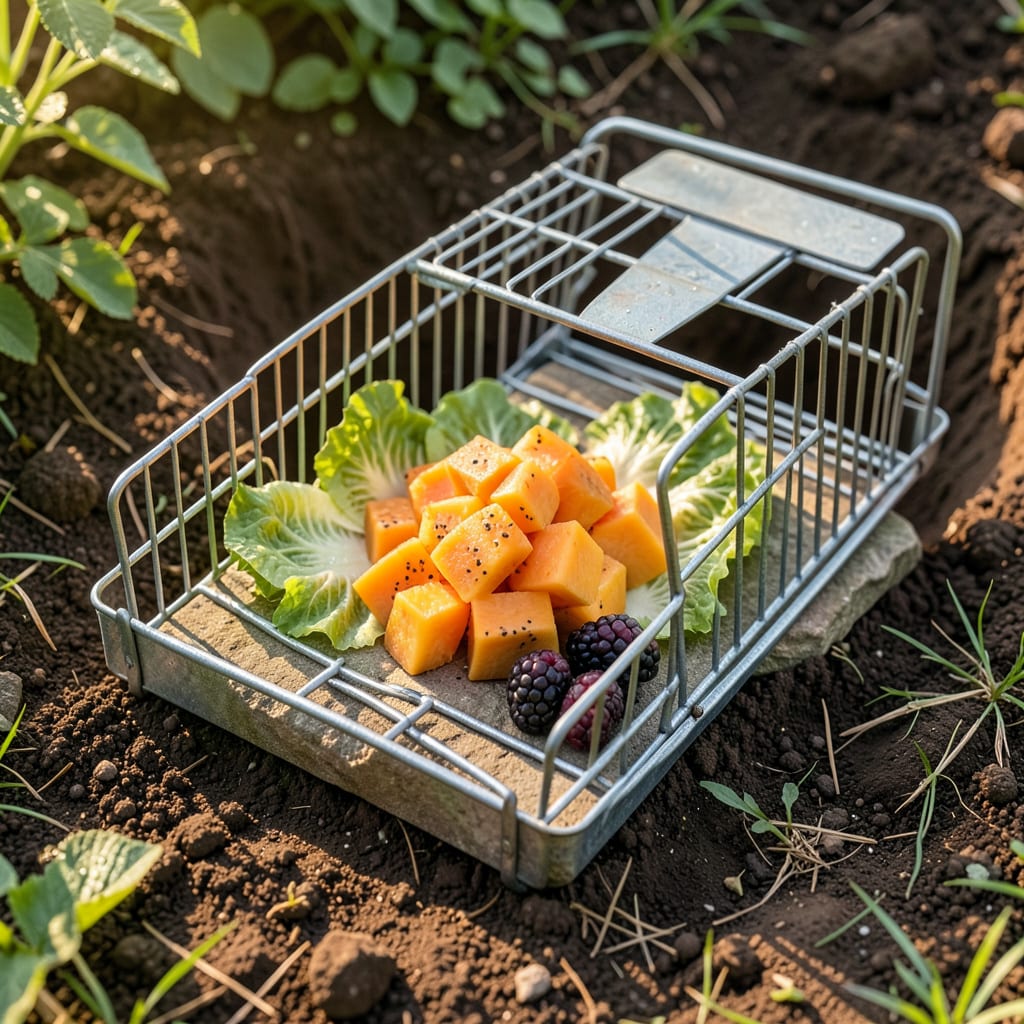
Groundhogs can turn a thriving garden into their personal buffet overnight. I’ve lost entire rows of beans and squash to these persistent diggers, and their burrowing habits wreck lawns and destabilize foundations. The key to solving this problem isn’t aggression—it’s strategy, patience, and the right bait.
Live trapping works when you understand what motivates them: fresh greens, sweet fruits, and safe hiding spots. I’ve refined a method using simple household produce that lures them in reliably, without harm. The trick is placement, timing, and knowing when to check the trap—because nobody wants to leave an animal stressed for hours.
📚 In This Guide
Here’s the method I’ve perfected after years of dealing with persistent groundhogs—it works every time.
Choose a humane live trap sized at least 12x12x32 inches—groundhogs are larger than they appear and need space. Place it along their active runway, typically near garden edges or fence lines where you’ve seen fresh burrow openings. I look for freshly dug dirt or chewed vegetation as confirmation of recent activity.
The trap must sit perfectly level. Groundhogs are cautious and will avoid anything that wobbles or seems unstable. Use a small spirit level if needed, and clear any debris that might obstruct the trigger mechanism. Position the trap so the door faces the direction of travel—you’ll see their paths as flattened grass or dirt trails.
Groundhogs are primarily herbivores but respond best to fresh, aromatic vegetables during trapping season. I’ve found cantaloupe rinds and fresh corn cobs work exceptionally well in summer, while apples and sweet potatoes perform better in spring/fall. The key is using produce with strong scent that’s slightly overripe.
Cut the bait into 2-inch chunks—large enough to attract but small enough that they must enter fully to reach it. Place the bait at the very back of the trap, then create a trail of small pieces leading up to the entrance. This builds their confidence as they follow the scent trail inward. Never touch the bait with bare hands; use gloves to avoid transferring human scent.
Most live traps use a treadle plate trigger that drops the door when stepped on. Test the mechanism 3-5 times before baiting to ensure smooth operation. I set the sensitivity so it triggers with 1-2 pounds of pressure—enough for a groundhog’s weight but not so sensitive that wind or small animals will spring it.
Place a small leaf or piece of grass over the trigger plate to camouflage it. Groundhogs are intelligent and may avoid obvious metal plates. Check that the door closes completely when triggered—any gap larger than ½ inch may allow escape. I always set a second, unbaited trap nearby as a decoy to reduce their wariness.
Check the trap every 2-3 hours during daylight—they’re most active in early morning and late afternoon. If the trap remains unsprung after 24 hours, relocate it 5-10 feet along the same trail. Groundhogs quickly learn to avoid dangerous areas, so fresh placement is crucial.
Once caught, cover the trap with a dark towel to calm the animal. This reduces stress during transport. Have your release site (at least 5 miles away from your property) pre-scouted—look for wooded areas with abundant vegetation and water sources. Release at dusk when they’re naturally emerging to feed.
After removal, immediately install ¼-inch hardware cloth buried 12 inches deep around garden perimeters. Groundhogs dig extensively, so surface barriers won’t work. I overlap sections by 6 inches and bend the bottom 90 degrees outward to create an L-shaped barrier they can’t dig under.
Eliminate attractants by removing fallen fruit, compost piles, and dense ground cover. Plant daffodils or fritillaria around garden edges—they contain alkaloids that groundhogs avoid. Reapply these deterrents annually, as their effectiveness diminishes as the plants naturalize and scent fades.
After years of perfecting this method, I’ve learned that success comes down to understanding groundhog behavior and paying attention to small details.
Bait Selection Strategy: The effectiveness of your bait depends on seasonal availability and ripeness. In Step 2, when preparing the bait, remember that cantaloupe rinds and corn cobs work best in summer because their strong, sweet aroma becomes even more potent as they overripen. For spring and fall, apples and sweet potatoes release more scent when they’re slightly soft to the touch. I’ve found that changing bait types every 12 hours keeps them interested—groundhogs become suspicious of bait that sits too long.
Trigger Mechanism Precision: When setting up the trigger in Step 3, the 1-2 pounds of pressure setting is crucial. I use a small kitchen scale to test this—place a 1-pound bag of sugar on the treadle plate. If it doesn’t trigger, adjust the sensitivity. The small leaf or grass covering should be just enough to obscure the metal without interfering with the mechanism. I’ve had success using a single dandelion leaf—it’s the perfect size and blends naturally with their environment.
Trap Placement Psychology: Groundhogs are creatures of habit with established routes. In Step 1, when positioning your trap, look for the main runway they use most frequently—this is typically the path with the most flattened vegetation. I’ve noticed they’re more likely to enter traps placed at slight angles to their path rather than directly in line with it. This makes the trap appear less like an obstacle and more like a natural detour to investigate.
Monitoring and Relocation Timing: The 2-3 hour checking interval in Step 4 isn’t arbitrary—groundhogs are most active during dawn and dusk. If you’re not catching anything after 24 hours, don’t just move the trap 5-10 feet—look for fresh signs of activity first. I follow their new trails by sprinkling a thin layer of flour near suspected entry points; their footprints will show up clearly in the morning.
Fresh veggies like carrots, lettuce, or sweet corn work best—they’re irresistible to groundhogs! Avoid meat or processed foods. For extra appeal, lightly bruise the veggies to release natural scents. Place bait deep inside the trap to ensure the groundhog fully triggers it.
Set traps early morning or late afternoon when groundhogs are most active. Spring and early summer (March–July) are peak seasons, as they forage heavily. Avoid trapping during extreme heat or cold—groundhogs are less active then.
Yes, but it’s not the best option. Peanut butter’s strong smell attracts groundhogs, but it’s sticky and can gum up traps. If using it, mix with oats or place on a leaf to reduce mess. Veggies are still more reliable for consistent results.
Use a groundhog-specific trap size (10″x12″x32″) and place it near burrow entrances. Secure the trap with stakes and cover the top with a light cloth to deter birds. Avoid meat-based baits, which attract scavengers like raccoons or skunks.
Try these fixes:
