
Beautiful Plants For Your Interior
Beautiful Plants For Your Interior
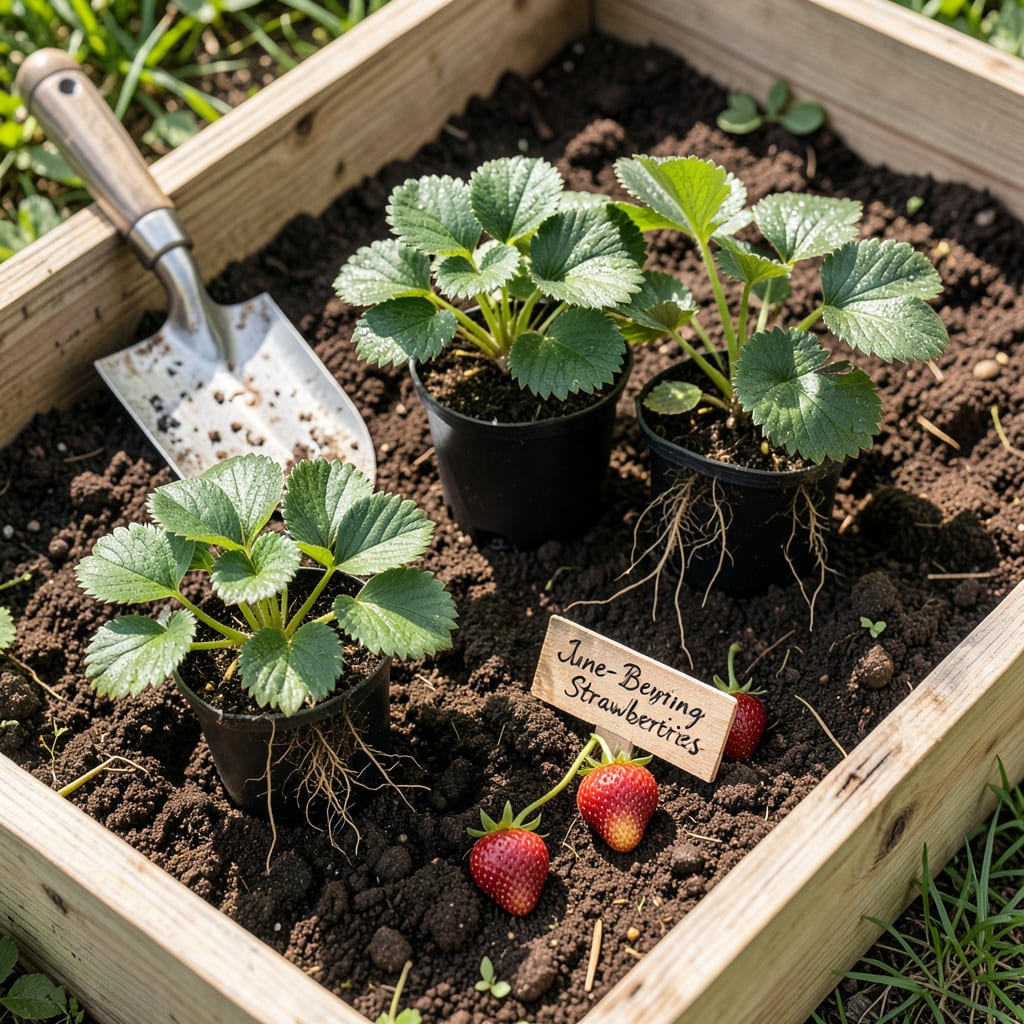
Moving strawberries to a new spot can feel like playing surgeon with your harvest. I’ve transplanted hundreds of plants over the years, and the difference between a thriving patch and a sad row of wilting leaves comes down to three things: timing, root care, and that first drink of water. Do it right, and you’ll get bigger berries next season—guaranteed.
Here’s the thing—strawberries hate being uprooted, but they bounce back fast if you handle them gently. Cloudy days are your best friend for this job, and a sharp trowel saves more roots than you’d think. By the time you’re done, those plants won’t just survive the move; they’ll reward you with twice the fruit come summer.
📚 In This Guide
Here’s the method I’ve used for years to move strawberry plants with zero transplant shock and double the fruit.
Transplant strawberries in early spring as soon as the soil is workable, or in late summer/early fall—at least 6 weeks before your first frost. This gives plants time to establish roots before heat or cold stress them. I always check the forecast for mild, overcast days; direct sun on freshly moved plants causes wilting.
Prepare the new site by working 2-3 inches of compost into the top 6-8 inches of soil. Strawberries thrive in slightly acidic (pH 5.5-6.5), well-draining soil. Test drainage by digging a 1-foot hole, filling it with water, and timing how long it takes to empty. If water sits longer than 1 hour, amend with perlite or sand.
Water the strawberry plants deeply 24 hours before transplanting—this hydrates the roots and reduces shock. Use a trowel to dig a 4-6 inch wide circle around each plant, going deep enough to preserve the entire root ball. Lift gently from the base, avoiding tugging on leaves or crowns (the central stem where leaves emerge).
Trim any dead or damaged leaves, but leave healthy foliage intact. I keep the root ball moist by placing plants on a damp towel while I work. If roots appear long or tangled, trim them to 4-5 inches with clean scissors—this encourages new growth without stressing the plant.
Dig holes in the new location that are wide enough to accommodate the root ball without bending roots. The crown should sit just above soil level—burying it causes rot, while exposing it dries the plant. Space June-bearing varieties 18-24 inches apart in rows 3 feet apart; everbearing types need only 12-18 inches between plants.
Fan the roots outward in the hole and backfill with soil, pressing gently to eliminate air pockets. Water immediately with 1-2 cups per plant, allowing moisture to settle the soil around roots. I add a 1-inch layer of straw mulch after planting to retain moisture and suppress weeds, but keep it 2 inches away from crowns to prevent rot.
Check plants daily for the first 7-10 days. Soil should stay consistently moist but not soggy—water when the top 1 inch feels dry. Shield transplants from direct afternoon sun for 3-5 days using shade cloth or a lightweight row cover. This prevents wilting while roots adjust to their new home.
Watch for signs of stress: yellowing leaves indicate overwatering, while crispy edges signal underwatering. If plants wilt despite moist soil, they’re likely adjusting—don’t overreact with extra water. Remove any blooms that form in the first 2 weeks; this directs energy to root growth instead of fruit, resulting in stronger plants and bigger harvests later.
After years of trial and error, I’ve learned these key details make all the difference between struggling plants and thriving berry patches.
Timing is Everything: The 6-week window before your first frost mentioned in Step 1 isn’t just a suggestion—it’s critical. I once transplanted too late in fall and lost half my plants to frost damage. Use your local extension office’s frost date calculator to pinpoint exactly when to start. That 24-hour pre-watering in Step 2 is equally important; I’ve noticed plants that skip this step show stress for weeks longer.
Root Handling Technique: When you’re trimming roots to 4-5 inches in Step 2, use sharp scissors and make clean cuts. Ragged tears invite disease. I keep a spray bottle handy to mist roots if I’m working with multiple plants—drying out is the number one cause of transplant failure. The damp towel trick works, but don’t let roots sit wrapped for more than 30 minutes.
Planting Depth Precision: That “just above soil level” instruction in Step 3 is harder to judge than you think. Here’s my foolproof method: lay a straight stick across the hole, then position the crown so it’s level with the stick. This prevents the sinking that often happens after watering. For the 1-2 cups of water per plant, I use a measuring cup—the exact amount matters more than you’d expect for preventing soil compaction.
Establishment Period Care: During those first 7-10 days in Step 4, resist the urge to fertilize. New roots are too tender for even organic fertilizers. The shade protection for 3-5 days isn’t optional—direct sun on stressed plants causes permanent damage to their fruit-producing capacity. I use old window screens as makeshift shade covers in a pinch.
Got questions about moving your strawberry plants? You’re not alone! Here are the most common concerns—and quick answers—to help your berries thrive in their new home.
Early spring (as soon as soil is workable) or early fall (4–6 weeks before frost) are ideal. Avoid transplanting in summer heat or winter dormancy. Aim for cool, cloudy days to reduce stress on plants.
Avoid it! Transplanting during fruiting shocks the plant, leading to smaller yields or lost berries. Wait until after harvest (late summer/early fall) for June-bearing types, or early spring for everbearing/day-neutral varieties.
Keep the crown (where leaves meet roots) above soil level—burying it causes rot. Spread roots downward in the hole, then firm soil gently. A good rule: half the crown should stay exposed after watering settles the soil.
Wilting is normal for 2–3 days, but prolonged yellowing signals stress. Check for overwatering, poor drainage, or sun scorch. Mulch with straw to retain moisture, and shade plants temporarily if temps spike above 85°F (29°C).
Yes! Trim all runners (long stems with baby plants) 1–2 weeks pre-transplant to redirect energy to root growth. Keep only 2–3 healthy leaves per plant to minimize water loss during the move.
