
Beautiful Plants For Your Interior
Beautiful Plants For Your Interior
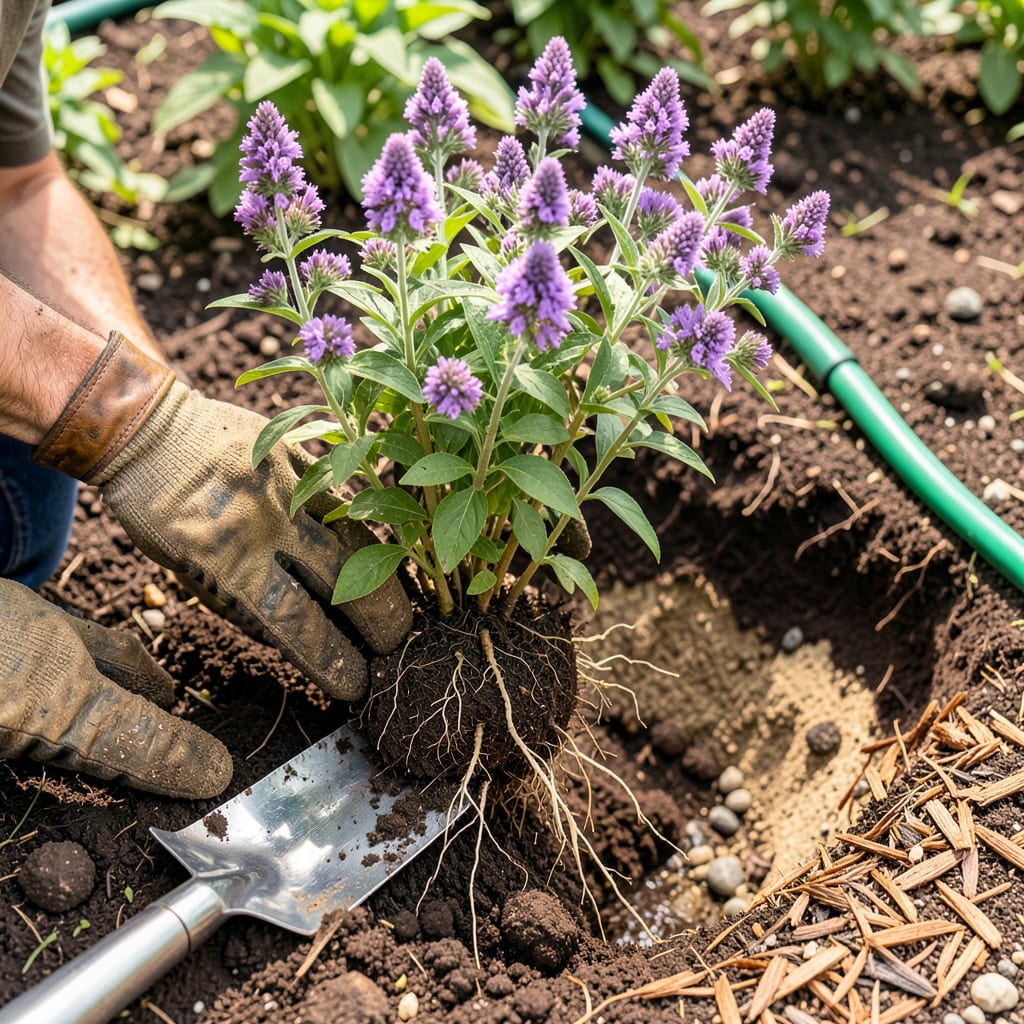
Moving a butterfly bush feels intimidating until you realize how forgiving these plants actually are. I’ve transplanted mature specimens in early spring and late fall with equal success—the key is timing it right and giving the roots what they need to establish quickly. The process takes less than an hour, but the payoff lasts for years with those signature fragrant blooms.
You’ll know you’ve done it right when new growth appears within 2-3 weeks. The secret isn’t fancy techniques—it’s proper root ball handling, the right planting depth, and consistent moisture during that critical first month. Even my most neglected transplants have bounced back with this method, proving butterfly bushes want to thrive if we just get them started properly.
📚 In This Guide
Moving an established butterfly bush doesn’t have to be stressful—follow this method for minimal shock and maximum blooms next season.
Early spring or late fall (when the plant is dormant) is ideal for transplanting. I avoid summer moves because heat stress compounds transplant shock. Select your new location carefully—butterfly bushes need full sun (6+ hours daily) and well-draining soil to thrive.
Dig the new hole twice as wide as the root ball but no deeper. This loose surrounding soil encourages roots to spread outward. Mix one-third compost into the excavated soil to give roots immediate access to nutrients. Water the empty hole thoroughly and let it drain before planting.
Water the butterfly bush deeply 24 hours before moving—hydrated roots survive transplantation better. Use a sharp spade to cut a clean circle around the plant, starting 12-18 inches from the main stem to capture the root zone. The wider you go, the less shock the plant experiences.
Angle the spade under the root ball to leverage it out. For mature specimens, you may need to wrap the root ball in burlap to hold it together during the move. Never lift by the stems—always support the root mass. I keep the soil intact around roots; exposed roots dry out within minutes.
Place the root ball in the new hole so the soil line matches the original planting depth. Planting too deep suffocates the crown, while too shallow exposes roots. Backfill with your amended soil, gently firming it around the roots to eliminate air pockets that could rot fine root hairs.
Create a 3-inch-high water ring around the perimeter to direct moisture to the roots. Water immediately with 2-3 gallons to settle the soil, then add more if the water absorbs quickly. The goal is moist (not soggy) soil that encourages root establishment without drowning the plant.
After transplanting, prune back one-third of the top growth to compensate for root loss. This reduces water demand while the roots re-establish. Use clean bypass pruners to make angled cuts just above leaf nodes—this encourages bushier regrowth.
Apply 2-3 inches of organic mulch (shredded bark works well) around the base, keeping it 3 inches away from the stems to prevent rot. Mulch conserves moisture and insulates roots during temperature swings. Monitor soil moisture daily for the first week—new transplants dry out faster than established plants.
Check the plant daily for the first 10-14 days. Wilting in afternoon heat is normal initially, but leaves should recover by morning. If wilting persists, the roots aren’t uptaking water—check for air pockets or insufficient watering depth.
Avoid fertilizing for 4-6 weeks post-transplant; you want roots to establish before pushing top growth. Stake tall varieties if needed, but remove supports once the root system anchors the plant (typically after one growing season). You’ll know the transplant succeeded when you see new leaf growth within 3-4 weeks.
Transplanting established shrubs requires attention to detail—these insights will help your butterfly bush thrive in its new location.
Hydration Timing: The 24-hour pre-move watering in Step 2 isn’t just about moisture—it’s about root turgor pressure. Well-hydrated roots are more flexible and less prone to tearing when you dig. I’ve found that watering in the evening before a morning transplant gives the best results, as roots absorb maximum moisture overnight when transpiration rates are lowest.
Root Ball Preservation: When digging that 12-18 inch radius around the plant, resist the temptation to shake off excess soil. The intact soil-root matrix protects delicate root hairs that are critical for water uptake. For large specimens, wrapping the root ball in damp burlap during transport prevents desiccation—this simple step can mean the difference between survival and transplant shock.
Depth Precision: In Step 3, that instruction about matching the original soil line isn’t just suggestion—it’s critical. I use a straight-edged tool like a board to check that the new planting depth exactly matches where the stem meets the root flare. Planting just 1-2 inches too deep can suffocate the crown, while planting too shallow exposes roots to drying winds. Take an extra minute to get this right.
Post-Transplant Monitoring: During those first 10-14 days mentioned in Step 5, pay special attention to leaf orientation. Leaves that remain curled or cupped upward after morning recovery indicate persistent water stress. This is your cue to check for air pockets around roots or adjust your watering technique—deep, slow watering at the drip line works better than frequent light sprinkling.
The ideal time is early spring (before new growth starts) or late fall (after leaves drop). Avoid transplanting in summer heat or during blooming season—stress can stunt growth or reduce flowers. Mild temperatures help roots establish faster!
Mature bushes (3+ years old) can be transplanted, but it’s trickier! Prune back ⅓ of the foliage to reduce stress, and water deeply for weeks beforehand. Larger root balls (18–24 inches wide) improve survival rates. Younger plants (1–2 years) adapt more easily.
Transplanting in summer or winter risks shock, wilting, or death. Heat dries roots; frost can damage unestablished plants. If you must move it off-season, provide shade cloth (summer) or mulch heavily (winter) and water consistently.
Yes! If moving isn’t ideal, try:
My transplanted butterfly bush is wilting—what should I do?
Don’t panic! Wilting is normal for 1–2 weeks. Check soil moisture (keep it damp but not soggy), provide afternoon shade, and avoid fertilizing. Trim dead branches after 3–4 weeks. If wilting persists, the roots may be damaged—consider replanting in a cooler spot.
