
Beautiful Plants For Your Interior
Beautiful Plants For Your Interior
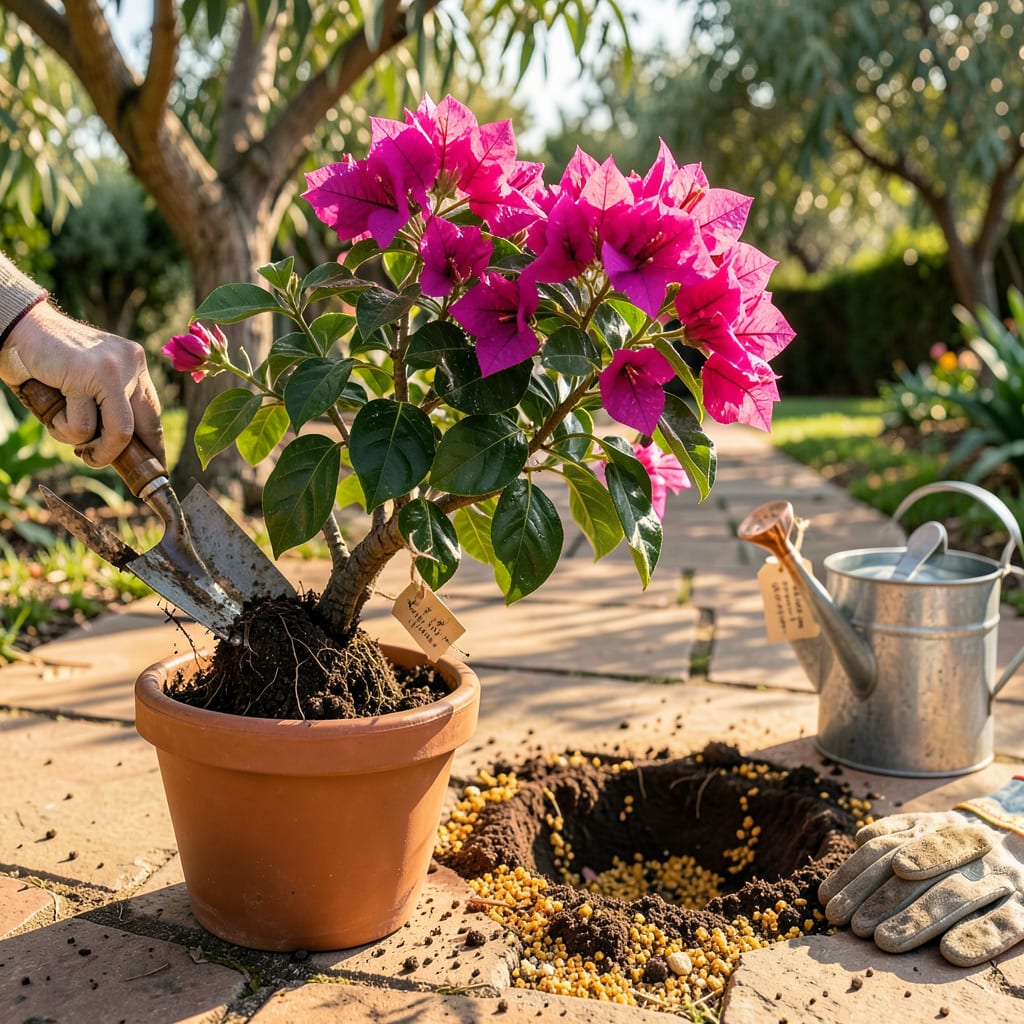
I’ll be real with you: bougainvillea doesn’t like being moved. But after relocating three of mine to better spots, I’ve landed on the exact method that keeps them thriving—not just surviving. The secret isn’t luck; it’s timing, root care, and giving them what they demand after the move.
Do this right, and you’ll see new growth within 2-3 weeks, with those signature vibrant bracts returning by next bloom season. We’re talking about a plant that bounces back stronger, not one that sulks for months. No fancy tools required—just sharp pruners, the right soil mix, and a shaded recovery spot.
📚 In This Guide
This method ensures your bougainvillea thrives in its new home with minimal shock and maximum blooms.
Transplant in early spring or early fall when temperatures stay between 60-85°F. I always check the forecast first—you want 10 days of mild weather after moving to help roots establish. The day before transplanting, water the bougainvillea deeply until moisture drips from the drainage holes.
Prune back any long, leggy branches by one-third using clean bypass pruners. This reduces water loss through leaves and makes handling easier. You’ll see new growth emerge within 2-3 weeks after transplanting, so don’t worry about losing blooms temporarily.
Dig a hole in the new location that’s twice as wide but the same depth as the current root ball. Bougainvillea roots spread horizontally, so width matters more than depth. I mix a shovelful of compost into the removed soil to give roots a nutrient boost.
Gently tap the sides of the current pot or loosen the soil around in-ground plants with a spade. Slide the root ball out carefully—if roots are circling, make three vertical cuts with a clean knife to encourage outward growth. The root ball should hold together when lifted.
Place the plant in the new hole so the top of the root ball sits 1 inch above the surrounding soil level. This prevents water from pooling around the stem. I always rotate the plant so its best side faces the most visible direction—bougainvillea blooms where it gets most sun.
Backfill with native soil mixed with compost, firming gently as you go to eliminate air pockets. Water thoroughly until the soil settles, then add more mix if needed. You’ll know it’s properly settled when the soil level remains stable after watering.
Water deeply every 2-3 days for the first two weeks, then reduce to weekly. Bougainvillea hates soggy roots, so let the top 2 inches of soil dry between waterings. I place a 2-inch layer of mulch around the base (keeping it 3 inches away from the stem) to conserve moisture.
Withhold fertilizer for 4-6 weeks to avoid burning new roots. You’ll see the first signs of recovery when new leaves appear—usually within 3 weeks. Once established, your bougainvillea will reward you with vibrant blooms for years.
Transplanting bougainvillea doesn’t have to be stressful—these practical insights will help your plant transition smoothly and bloom beautifully.
Timing is Everything: The 60-85°F temperature range mentioned in Step 1 isn’t just a suggestion—it’s critical for root establishment. I’ve learned the hard way that transplanting during summer heat waves or unexpected cold snaps can set your plant back by months. Always verify your 10-day forecast before moving day, and consider using a soil thermometer to confirm the root zone temperature matches the air temperature.
Root Preparation Secret: When you make those three vertical cuts in Step 2 to prevent circling roots, use a sterilized knife and make each cut about 1/4-inch deep. This might seem aggressive, but it actually stimulates new root growth in the direction you want. I also gently tease apart the outer roots with my fingers—this encourages them to spread into the new soil rather than continuing their circular pattern.
Watering Wisdom: The “every 2-3 days” schedule in Step 4 is perfect, but here’s what most people miss: water deeply enough that moisture reaches the bottom of the root ball. I use a simple chopstick test—insert it into the soil after watering. If it comes out clean at the 6-inch mark, you haven’t watered deeply enough. Remember, bougainvillea would rather be too dry than too wet, so when in doubt, wait another day.
Positioning Pro Tip: That 1-inch elevation mentioned in Step 3 isn’t just about drainage—it’s also about air circulation. Bougainvillea stems are prone to rot if they stay moist. After positioning, I like to create a slight mound of soil that slopes away from the stem in all directions. This ensures water flows away from the base rather than pooling around it during heavy rains.
Early spring or late fall is ideal—when temperatures are mild (60–75°F) and the plant is semi-dormant. Avoid extreme heat or frost, as stress can shock the roots. In tropical climates, transplant during the dry season for faster recovery.
It’s risky! Blooming diverts energy from root recovery. If unavoidable, prune back flowers by 50% to reduce stress. Water deeply afterward and avoid fertilizing for 4–6 weeks to let roots establish.
Check for new growth after 3–4 weeks. Wilting for the first few days is normal, but crispy leaves or no buds after a month signal trouble. Gently tug the base—resistance means roots are anchoring!
Try root pruning in place! In early spring, dig a trench 12–18 inches around the plant, severing outer roots. Fill with compost and water. This encourages compact growth, making future moves easier. No heavy lifting!
Yellowing often means overwatering or poor drainage. Let the top 2 inches of soil dry between waterings. If leaves are pale green, it may need iron—apply chelated iron spray. Avoid fertilizing until the plant stabilizes (6+ weeks).
