
Beautiful Plants For Your Interior
Beautiful Plants For Your Interior
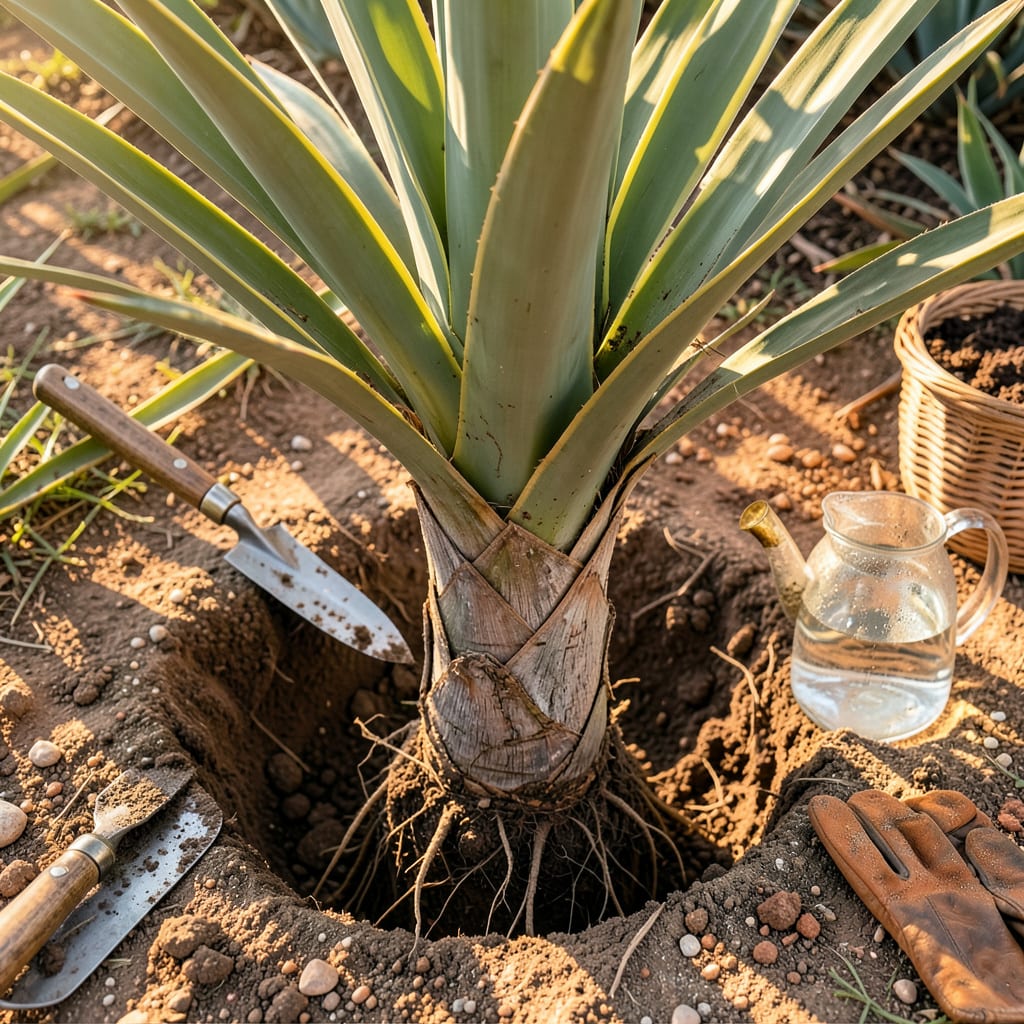
That first time I moved a yucca, I made every mistake possible—wrong season, wrong depth, and zero root prep. What should’ve been a simple relocation turned into a months-long recovery. Now I know better: yuccas are tough, but they demand respect when you’re moving them. The right timing and technique mean the difference between a plant that sulks for a year and one that thrives immediately.
You’ll need just four key tools and about 30 minutes to do this properly. No fancy equipment—just gloves (those leaves are sharp!), a sturdy shovel, some root stimulator, and a clear plan for where it’s going. The secret is in the roots: disturb them as little as possible while giving them room to spread. Get this right, and your yucca will establish faster than you’d expect.
📚 In This Guide
Here’s my tried-and-true method for moving yuccas without shock—works every time when you follow these key steps.
Choose a location with full sun (at least 6-8 hours daily) and well-draining soil. Yuccas rot quickly in soggy ground, so avoid low spots where water pools. I always dig the new hole twice as wide as the root ball but only as deep as the current container.
Test drainage by filling the hole with water. If it doesn’t empty within 30 minutes, mix in 2-3 inches of coarse sand or gravel at the bottom. This creates a fast-draining base that mimics their native desert conditions. Remove any weeds or grass from the area—they’ll compete for water during establishment.
Water the plant 24 hours before transplanting to hydrate the roots and reduce stress. For potted yuccas, lay the container on its side and gently slide the plant out. With in-ground plants, dig a wide berth around the base—yucca roots spread horizontally more than they grow deep.
Use a sharp spade to cut through any stubborn roots cleanly. Don’t pull or yank the plant, as this damages the root system. You’ll feel resistance when you hit the main root mass—that’s normal. Lift from the base of the stem, not the leaves, to avoid breaking the foliage.
Place the yucca in the new hole so the top of the root ball sits 1-2 inches above ground level. This accounts for settling and prevents the crown from sitting too deep. Backfill with native soil, pressing gently to eliminate air pockets but not compacting heavily.
Create a shallow water basin around the plant by mounding soil in a 3-inch high ring about 12 inches out from the stem. This directs water to the roots during initial waterings. Don’t bury the trunk—yuccas are prone to stem rot if any part of the main stem stays moist.
Give the plant a deep soaking immediately after planting until water pools in the basin. Then wait until the soil is completely dry before watering again—typically 7-10 days later. Overwatering is the number one killer of transplanted yuccas.
Watch for signs of transplant shock: yellowing lower leaves or slight wilting. This is normal for the first 2-3 weeks. If the entire plant wilts or leaves turn brown and crispy, it needs more water. If leaves turn mushy or black, you’re overwatering. Adjust accordingly.
After 4-6 weeks, reduce watering to every 2-3 weeks unless you’re in extreme heat. Yuccas thrive on neglect once established. Remove any dead or damaged leaves by pulling them downward—they should come off cleanly at the base when ready.
Avoid fertilizing for the first year—yuccas don’t need rich soil. If you want faster growth, apply a low-nitrogen fertilizer (5-10-10 ratio) in early spring of the second year. Otherwise, just enjoy your virtually maintenance-free plant that will reward you with dramatic foliage for decades.
Transplanting yuccas doesn’t have to be stressful—these practical insights will help you avoid the most common pitfalls and set your plant up for long-term success.
Drainage Test Importance: In Step 1, don’t skip the 30-minute drainage test. I’ve seen too many yuccas rot because the soil looked fine but actually held water. If your test hole doesn’t empty completely in that time, add the recommended 2-3 inches of coarse sand or gravel—this simple step prevents root rot that can kill your plant within weeks. The extra effort now saves you from replacing a dead yucca later.
Root Handling Technique: When removing the plant in Step 2, here’s what nobody tells you—yucca roots are surprisingly tough but hate being torn. Use that sharp spade to make clean cuts through stubborn roots rather than pulling. I learned this after damaging several plants by trying to “gently coax” them out. The 24-hour pre-watering makes this step much easier, so don’t rush the process.
Planting Depth Precision: That 1-2 inches above ground level in Step 3 isn’t just a suggestion—it’s critical. I’ve seen yuccas planted flush with the soil develop stem rot within months. Create that slight mound and watch how it settles perfectly after the first few waterings. The water basin trick is genius for directing moisture exactly where it’s needed during those crucial first weeks.
Watering Discipline: The 7-10 day waiting period in Step 4 will test your patience, but it’s non-negotiable. Yuccas store water in their roots and stems, so overwatering is far more dangerous than underwatering. I use the “finger test”—stick your finger 2 inches into the soil. If it feels even slightly damp, wait another day. That first deep soaking should last longer than you think.
Spring or early fall are the best times to transplant yucca, as mild temps reduce stress. Avoid extreme heat (summer) or freezing winters. If you must move it in summer, water deeply before/after and provide temporary shade to help it adjust.
Aim for a root ball 12–18 inches wide for small yuccas, or 24+ inches for mature plants. Use a sharp spade to cut cleanly around the roots—don’t shake off the soil! Larger root balls = less transplant shock and faster recovery.
Don’t panic! Wilting is normal for 1–2 weeks. Keep soil lightly moist (not soggy) and avoid fertilizing. If leaves stay limp beyond 3 weeks or turn brown, check for root rot or overwatering. Most yuccas bounce back with patience!
Wait 4–6 weeks before fertilizing—fresh roots are sensitive! Once established, use a balanced 10-10-10 fertilizer (diluted) in spring. Skip fertilizer if your soil is already rich. Overfeeding can burn roots and stunt growth.
Pups (offsets) are easier to transplant than mature plants. Dig them up with a few inches of root, let cuts callus for 24 hours, then replant in well-draining soil. Water sparingly at first to prevent rot. Great for propagating!
