
Beautiful Plants For Your Interior
Beautiful Plants For Your Interior
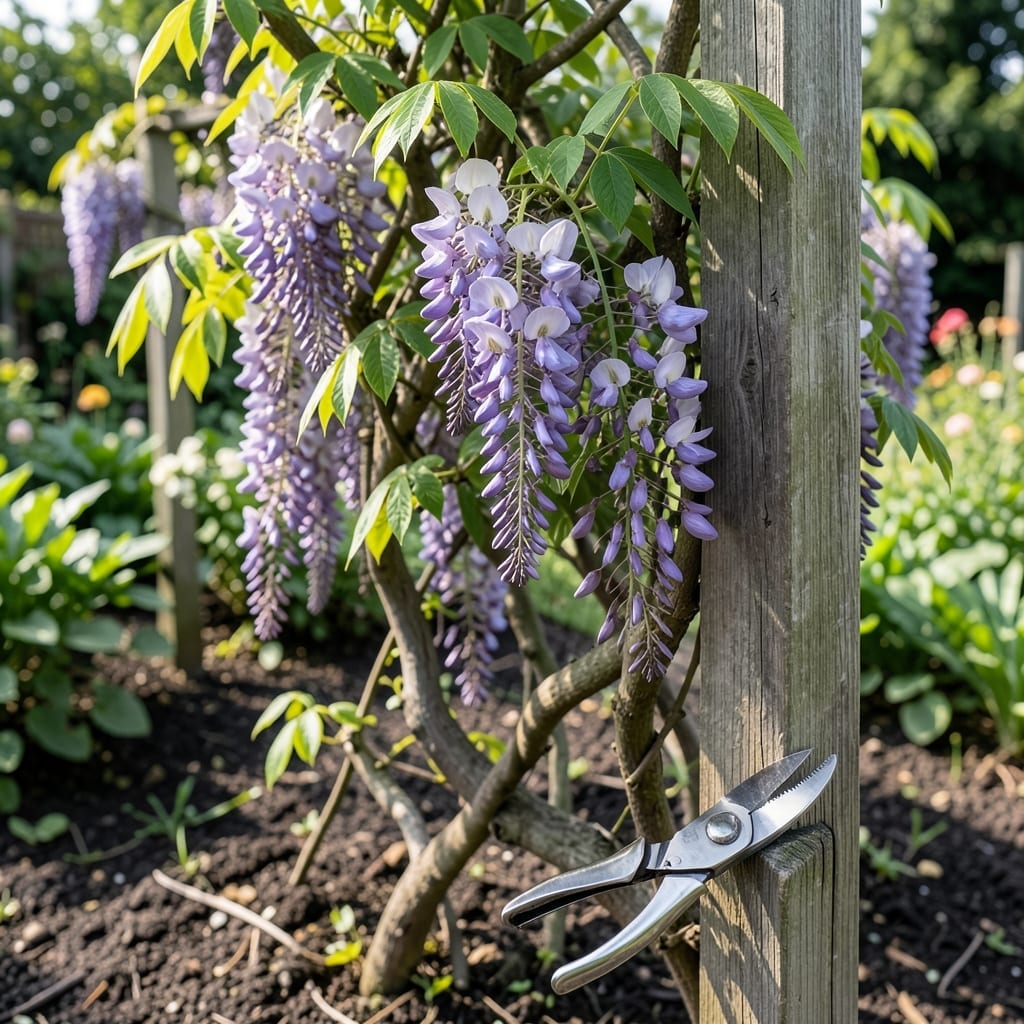
That first purple bloom on my wisteria changed everything. Training it into a tree isn’t magic—it’s about guiding what wants to climb into something that stands tall and proud on its own.
I started with a single vine and a vision. With pruning at the right time and a sturdy support to shape it, even the most stubborn wisteria will start to behave like a tree. It takes patience, but the payoff is a living sculpture.
By the third season, you’ll see a thick trunk forming and branches stretching skyward. The flowers arrive bigger and bolder when the structure is solid, turning your yard into a showstopper.
Works for any wisteria variety, in any climate where it thrives. Here’s how to begin.
Wisteria naturally grows as a sprawling vine, but with the right techniques, it can be trained into a tree-like form. Understanding why this transformation works helps you master the process. Below are the key biological and structural reasons:
Wisteria is a vigorous climber with long, flexible stems that seek support. This rapid growth allows it to reach heights quickly, making it ideal for training upward. Its natural tendency to twine around structures (like trellises or poles) can be redirected to form a central trunk, mimicking a tree’s vertical growth pattern.
Unlike rigid trees, wisteria’s young stems are semi-woody and pliable. This flexibility lets you bend and tie branches into desired shapes without snapping. Over time, the trained stems lignify (harden into wood), creating a permanent framework that resembles a tree’s canopy.
Wisteria thrives in full sun, and training it upward maximizes light exposure for its leaves. By guiding the main stem vertically and pruning lateral growth, you concentrate energy into a single trunk, encouraging thicker, tree-like development. This also prevents tangling and promotes air circulation.
Wisteria responds aggressively to pruning by producing new growth. Strategic cuts stimulate branching at desired heights, allowing you to shape a “head” (like a tree’s crown). Regular pruning also removes excess foliage, directing nutrients to strengthen the central leader—the future “trunk.”
Training wisteria into a tree shape can hit a few snags, but these targeted fixes will get your vine back on track.
If your wisteria isn’t producing enough strong stems, prune aggressively in late winter to remove weak growth and encourage robust new shoots. Feed it with a high-phosphorus fertilizer (like 5-10-5) in early spring to promote flowering and sturdy branch development. Prevention tip: 💡 Start with a healthy, young plant and plant it in well-draining, fertile soil to avoid nutrient deficiencies.
Wisteria grows fast, and without guidance, it can become a tangled mess. Select 1-2 main leaders (vertical stems) and tie them to a sturdy stake or trellis as they grow. Remove side shoots that don’t fit your tree shape, and prune regularly to maintain form. Prevention tip: ✨ Begin training the first year—waiting makes it harder to shape.
If stems can’t stand upright, they’ll never form a tree. Use a thick wooden stake or metal pole (at least 2 inches wide) and secure the main vine with soft plant ties (avoid wire, which can cut into the stem). As the vine thickens, gradually loosen ties to prevent girdling. Prevention tip: 🎯 Choose a support system tall enough for mature growth (wisteria can reach 10+ feet!).
Wisteria flowers on old wood, so pruning at the wrong time can remove buds. Do a light prune in summer (after flowering) to shape, and a harder prune in late winter to control size. Avoid cutting back too much in fall. Prevention tip: 🌡️ Ensure the plant gets full sun (6+ hours daily) to encourage blooming.
Expect to spend 2-3 years of consistent pruning and training. The first year establishes the main trunk, while subsequent years focus on shaping the canopy. Patience is key for a strong, tree-like structure.
Use a sturdy wooden stake or metal pole at least 2 inches thick. Secure the vine with soft ties, adjusting them as it grows to prevent damage.
Yes, but it’s more challenging. Older vines have thicker, less flexible stems. Start by selecting the strongest vertical shoot and gradually train it upward. Prune aggressively to remove competing growth.
Wisteria blooms on old wood, so pruning at the wrong time can remove buds. Ensure it gets full sun and avoid heavy pruning in fall.