
Beautiful Plants For Your Interior
Beautiful Plants For Your Interior
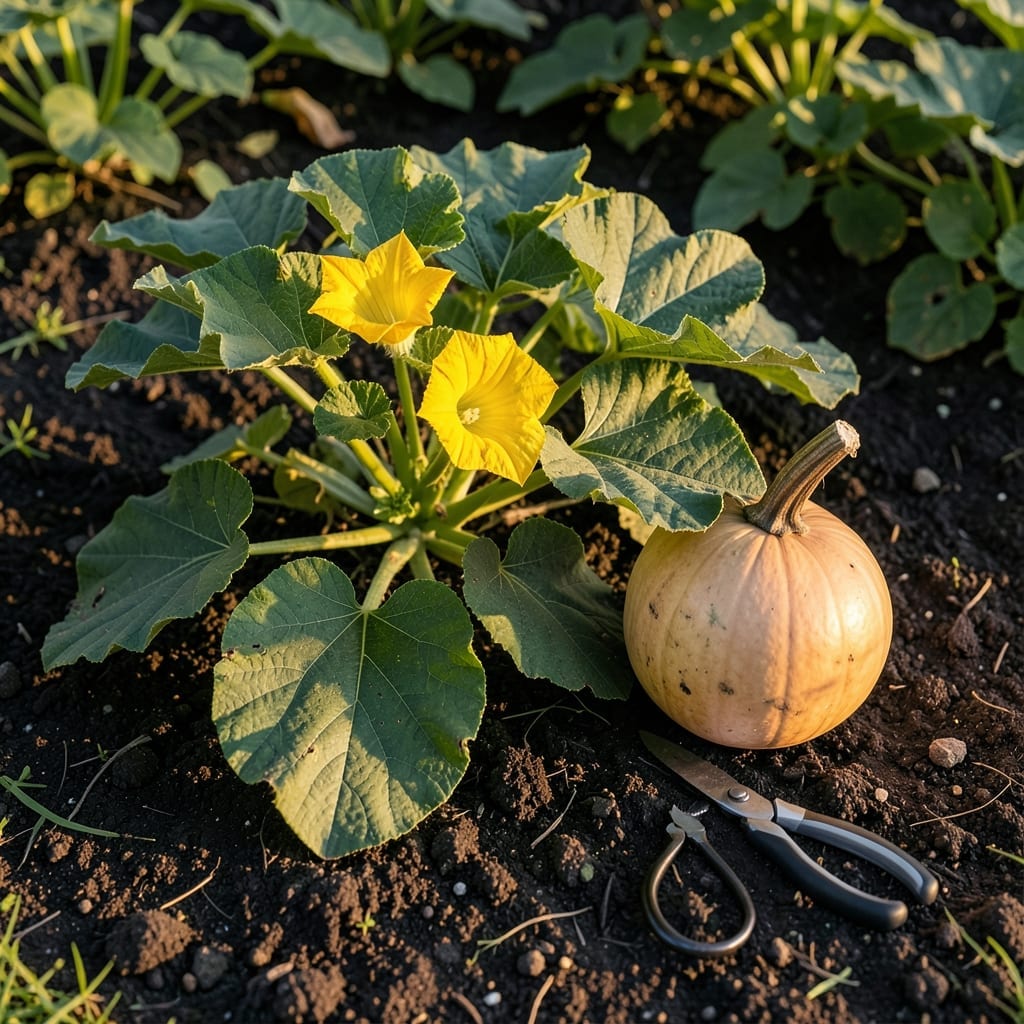
Knowing exactly when to harvest your 🎃 Winter Squash can transform your garden results. One day too early or too late can impact both flavor and storage life.
I remember my first attempt at growing these hearty vegetables – I pulled them too soon and ended up with squash that didn’t keep. The difference between a perfect harvest and a disappointing one often comes down to a few key signs.
From the deepening color to the telltale hardening of the rind, there are clear indicators to watch for. These visual and tactile cues are your guide to getting it just right.
Discover how to read these signals and you’ll be rewarded with Winter Squash that stores well and tastes even better. Let’s break down what to look for in your garden.
I always tell gardeners that winter squash reveals its readiness through tactile and visual cues. Unlike summer varieties, these hard-skinned gems need time to develop their signature tough rinds and sweet flesh. The most reliable test is the nail test. ☀️
When the rind resists puncturing with your fingernail, it’s a clear sign. I also check the stem—it should be dry and corky, not green and supple. These indicators ensure your squash will store well through winter. 🌱
| Ripeness Sign | What to Look For |
|---|---|
| Rind Hardness | Cannot be punctured with a fingernail |
| Stem Condition | Dry, woody, and corky to touch |
| Color Depth | Deep, uniform hue for the variety |
| Surface Texture | Dull, matte finish (not glossy) |
| Vine Condition | Vines start to die back |
The color deepening is another key indicator. For example, butternut squash shifts from pale tan to a rich, even beige. Meanwhile, acorn squash develops a dark green or black rind. These changes signal that the squash has reached peak sugar content. 🌿
I’ve found that the glossy-to-matte transition is often overlooked. A shiny surface means the squash isn’t ready, while a dull finish confirms maturity. This is especially true for varieties like pumpkins and hubbard squash.
Another pro tip: check the ground spot. If the area touching the soil has turned from green to orange or cream, it’s a good sign. This color change happens as the squash ripens and loses contact with moisture in the soil.
Don’t forget to examine the vines. When they start to brown and wither, it’s nature’s way of saying the squash is ready. However, I recommend confirming with the nail test and stem check to be absolutely sure.
For pumpkins, the stem should be hard and woody, almost like a small tree branch. If it’s still green and flexible, leave it on the vine a little longer. This ensures the flesh inside is fully developed and sweet.
If you’re growing spaghetti squash, the rind should be hard enough to resist light pressure. The color will also shift to a golden yellow when it’s time to harvest. Always double-check with the stem dryness test.
Remember, size alone isn’t enough. A large squash might still be immature if the rind and stem aren’t ready. I’ve made this mistake before, and it led to poor storage life and bland flavor. Stick to the physical cues for the best results. ✂️
I’ve seen many gardeners rush to harvest winter squash too early, only to find their crop underdeveloped. Soft rinds and green stems are dead giveaways that it’s not ready yet. Patience is key here.
Another common pitfall is ignoring the vine dieback. When the vines start to turn brown and wither, it’s often nature’s way of signaling that the squash is nearing maturity. Don’t harvest based on size alone.
⚠️ Avoid Harvesting Too Soon
Picking winter squash with soft skin or moist stems leads to poor storage and bland flavor. Wait for the rind to harden and the stem to cork.
Over-ripening is just as risky. If you leave squash on the vine too long, they can crack open or become prone to rot. Check your squash every few days once they near maturity.
I always remind gardeners that color consistency matters. A pale or uneven hue often means the squash isn’t ready, even if the size looks right. For butternut squash, wait for that deep tan color.
For acorn squash, the skin should turn a dull green or black, and the shell must be hard enough to resist a fingernail. If it punctures easily, it’s not ready for harvest.
Finally, don’t forget to check the stem connection. A dry, woody stem is a sure sign of ripeness. If it’s still green and pliable, give it more time on the vine. This simple check can save your harvest.
Trust the process, and your winter squash will reward you with long storage life and rich flavor come winter ✂️