
Beautiful Plants For Your Interior
Beautiful Plants For Your Interior
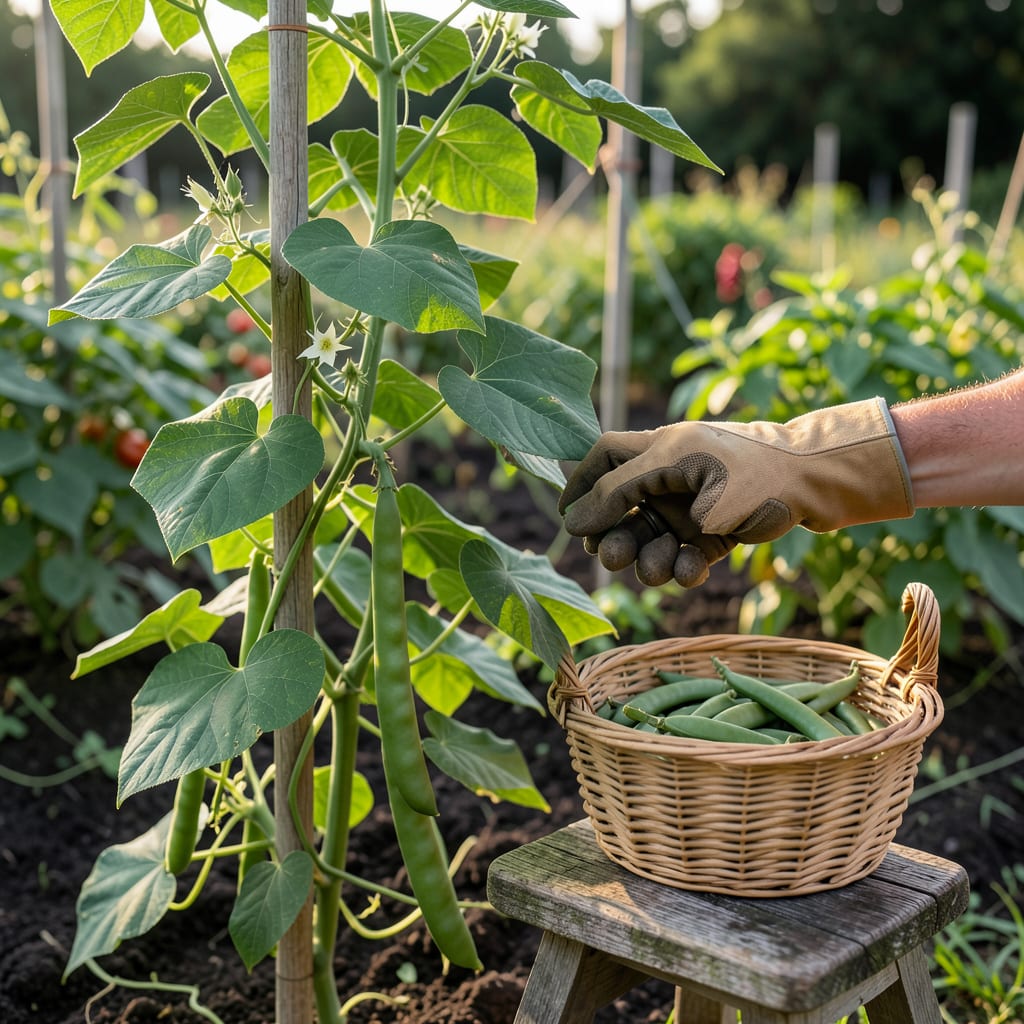
There’s nothing like the crisp snap of a perfectly ripe green bean—fresh from your garden and bursting with sweetness. But pick too early, and you’ll miss out on that satisfying crunch; wait too long, and you’re left with tough, stringy pods that no one wants to eat.
I’ve learned the hard way that timing is everything when it comes to harvesting 🌱 Green Beans. The good news? A few simple tricks—like the snap test and checking for subtle bulges—can take the guesswork out of the process. Let’s make sure your next harvest is the juiciest one yet.


Timing your green bean harvest is everything. Pick too soon, and you’ll get flat, flavorless pods. Wait too long, and they turn tough and stringy. I’ve found the sweet spot lies in three key indicators: size, color, and snap test. Let’s break them down.
Most green bean varieties reach peak perfection when pods are 4-6 inches long and about as thick as a pencil. This is when they’ve developed their signature crisp texture but haven’t started developing those annoying fibrous strings. The color should be vibrant – that bright green that makes them look fresh enough to eat right off the vine.
Pods should be as thick as a pencil and 4-6 inches long. Thinner means underripe; thicker means overripe.
Look for bright, uniform green (or purple/yellow for specialty varieties). Dull colors mean they’re past their prime.
Bend the pod – it should break cleanly with a satisfying snap. If it bends like rubber, it needs more time.
The snap test is my favorite foolproof method. Simply bend the pod between your fingers. A perfectly ripe green bean will break with a crisp snap, almost like breaking a fresh twig. If it bends without breaking or feels rubbery, leave it on the plant for another day or two.
Look closely at the pod’s surface too. You should see small bumps where the beans are developing inside. These bumps should be visible but not bulging dramatically. If the beans inside are clearly defined and the pod looks lumpy, you’ve waited too long and the beans will be starchy.
Color tells you more than you might think. While most varieties are bright green when ready, some heirloom types turn purple or yellow. Whatever the color, it should be vibrant and consistent along the entire pod. Any dullness or pale spots indicate the bean is either not ready or past its prime.
I always check my plants every 1-2 days during peak production. Green beans grow surprisingly fast in warm weather, and what wasn’t ready yesterday might be perfect today. Regular harvesting actually stimulates more production, so don’t be shy about picking frequently.
Remember that bush beans and pole beans may have slightly different timelines. Bush varieties often mature all at once, while pole beans produce over a longer period. But regardless of type, these visual and tactile tests will guide you to that perfect harvest window.
If you’re growing specialty varieties like purple podded beans or yellow wax beans, the color rules change slightly. Purple beans should be deep and rich in color, while wax beans should have a creamy yellow hue. The snap test remains the same across all varieties though.
After harvesting, I recommend using your beans within 3-5 days for best quality. They’ll keep in the fridge in a perforated plastic bag, but nothing beats the flavor of beans picked and cooked the same day. Just be sure to rinse them gently to remove any garden debris before storing or using.
Not all green beans are created equal when it comes to harvest time. Bush beans typically mature in 50-60 days, while pole beans can take 60-90 days but produce over a longer window. This difference means you’ll need to adjust your expectations based on what you’re growing.
I’ve found that bush varieties like Blue Lake or Contender tend to ripen all at once, making them perfect for a big harvest. Pole beans, like Kentucky Wonder, keep producing as long as you keep picking—sometimes until frost! This makes them ideal for gardeners who want a steady supply.
| Variety | Days to Harvest | Harvest Window | Key Traits |
|---|---|---|---|
| Blue Lake (Bush) | 55-60 days | 2-3 weeks | Classic flavor, pencil-thick pods, great for canning |
| Contender (Bush) | 50-55 days | 2 weeks | Early producer, cold-tolerant, compact plants |
| Kentucky Wonder (Pole) | 65-75 days | 6-8 weeks | Heavy yielder, needs trellis, pods up to 8 inches |
| Rattlesnake (Pole) | 70-80 days | 8+ weeks | Striped pods, heat-resistant, long harvest season |
If you’re growing heirloom varieties, keep in mind they might have unique signs of readiness. For example, purple-podded beans turn green when cooked, but their harvest signs are the same: firm texture and easy snapping. Always check your seed packet for variety-specific tips.
For pole beans, I recommend starting your harvest check 60 days after planting, then revisiting every 2-3 days. Their vines keep producing as long as you keep picking, so consistency is key. Bush beans, on the other hand, often give you a one-time flush—plan to harvest most pods within a week or two.
Don’t forget that weather plays a role too! Hot summers can speed up maturity by a few days, while cooler temps might delay it. When in doubt, use the snap test and pod plumpness as your guides rather than relying solely on the calendar.
Once you’ve mastered the timing for your variety, you’ll be rewarded with the sweetest, most tender beans possible. And remember: the more you pick, the more your plants will produce! Keep those harvests coming, and you’ll enjoy fresh beans all season long 🌱.
Timing your green bean harvest is all about the snap, size, and subtle bulges. I’ve found that waiting for that perfect moment—when pods are pencil-thick and snap like a twig—ensures the best texture and flavor. Miss this window, and you risk tough, fibrous beans.
The key is checking your plants every 1-2 days once pods start forming. Green beans grow fast, and what’s underripe today could be overripe tomorrow. Let’s break down the foolproof signs I rely on to pick mine at peak perfection.
Pro Tip: Harvest in the morning when pods are crispest!
Size matters too! Most varieties are perfect at 4-6 inches long, though some heirlooms may stay tender at 7-8 inches. If pods feel leathery or the beans inside are visibly plump (like a mature pea), you’ve waited too long.
Don’t forget the thumb check: Run your thumbnail along the pod’s seam. If it splits easily, the beans are overripe. For bush beans, I harvest every 2-3 days to keep plants producing. Pole beans can be picked slightly less often but still need regular attention.
If you’re growing purple or yellow wax beans, the rules stay the same—just watch for color intensity instead of green. And remember, the more you pick, the more your plants will produce. Happy harvesting! 🌿
Once pods start forming, check your plants every 1-2 days. Green beans grow quickly, and missing just a day can mean the difference between tender and tough pods. Morning is the best time to harvest when pods are crispest .
Most varieties are perfect at 4-6 inches long and about as thick as a pencil. Some heirlooms may stay tender at 7-8 inches, but avoid letting them grow larger—they’ll become fibrous and lose sweetness .
It’s best to avoid harvesting wet pods. Wet beans can develop mold or spoil faster in storage. Wait until foliage is dry, ideally harvesting in the late morning after dew has evaporated .
If beans pass the snap test but feel tough, they may be slightly overripe or stressed from inconsistent watering. Ensure plants receive 1 inch of water per week and harvest promptly when pods reach ideal size .
The rules stay the same—just watch for vibrant color intensity instead of green. Purple pods should be deep and rich, while yellow wax beans should be bright and uniform. All varieties should snap crisply and show small bean bumps inside .
