
Beautiful Plants For Your Interior
Beautiful Plants For Your Interior
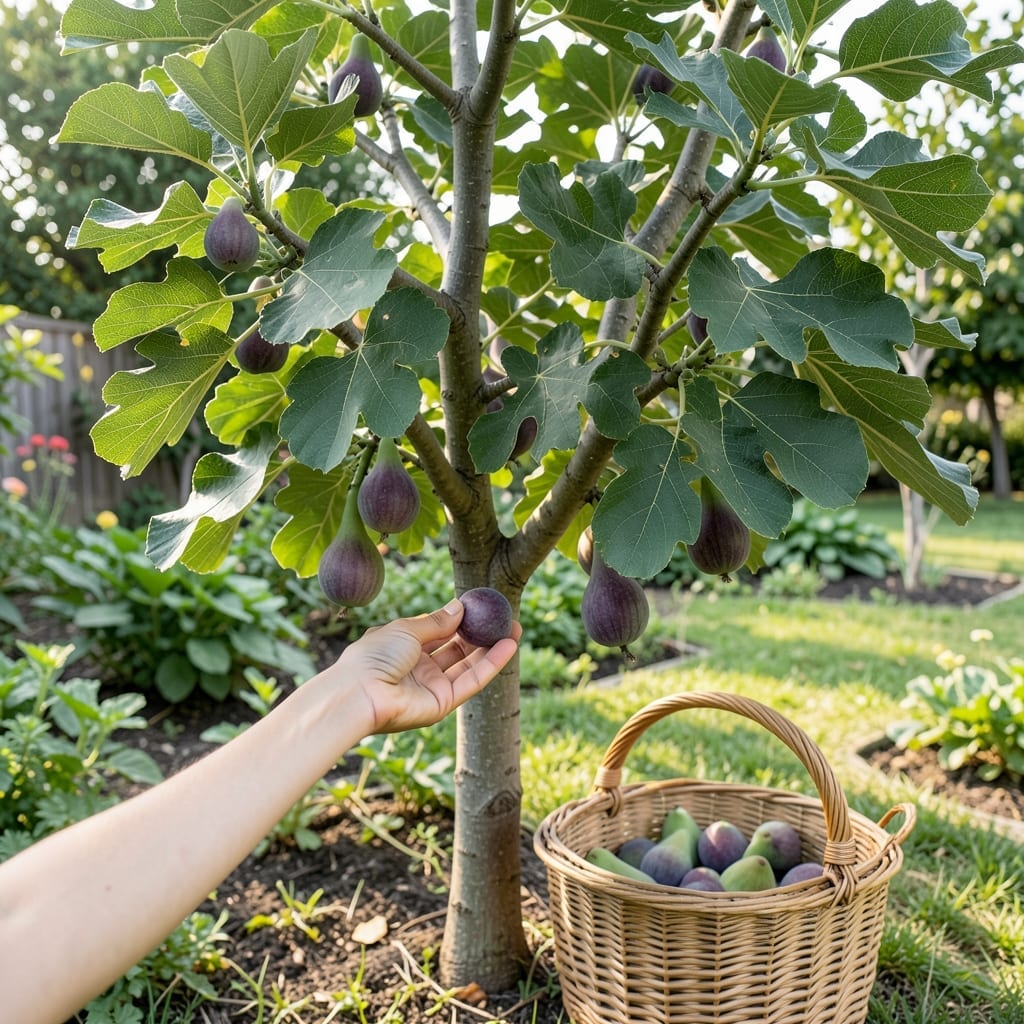
Picking figs at the perfect moment ensures the sweetest, most flavorful harvest. The 🍈 Fig signals its readiness in subtle yet unmistakable ways that many gardeners overlook.
From color shifts to gentle softness, these natural cues are your guide to a perfect harvest. I’ll show you exactly what to look for so you never miss that ideal picking window again.
Discover the simple signs that transform your fig-picking from guesswork to guaranteed success. Let’s make every harvest your best one yet.

I’ve learned that fig ripeness reveals itself through color changes first. For Brown Turkey figs, the skin shifts from green to brown as they mature.
With Black Mission figs, look for a deep purple-black hue that signals peak ripeness. Each variety has its own color palette, so know your tree’s specific traits.
| Variety | Ripe Color | Texture Sign |
|---|---|---|
| Brown Turkey | Brown | Slightly soft |
| Black Mission | Purple-black | Gentle give |
| Celeste | Violet-blue | Neck droops |
The neck droop is another telltale sign. When the stem end bends downward, it’s nature’s way of saying the fig is ready to be picked.
I always check for skin cracks near the stem. These small splits indicate the fig is at its sweetest point and won’t last much longer on the tree.
A gentle squeeze test works wonders. Ripe figs yield slightly under light pressure, but be careful not to bruise them.
Size matters too. Most varieties reach full size just before ripening, so compare the fig to others on the tree. If it’s noticeably larger, it’s likely ready.
The aroma test is my favorite. Ripe figs emit a sweet, fruity scent near the stem. If you smell nothing, wait a few more days.
For Celeste figs, the color shifts to a beautiful violet-blue. This variety also tends to have a more pronounced neck droop when ripe.
Remember that climate affects timing. In hotter regions, figs may ripen faster, while cooler areas might extend the process.
I’ve found that morning harvests yield the freshest figs, but we’ll cover timing in more detail later. For now, focus on these visual and tactile cues.
With practice, you’ll recognize these signs instinctively. The key is to observe daily as the figs approach maturity. 🌳
I’ve seen gardeners make the same mistakes with fig harvesting year after year. The most common is picking too early when the fruit is still hard and green.
Another frequent error is waiting too long until the figs become overripe and mushy. Timing is everything with these delicate fruits.
⚠️ Warning: Picking figs before they’re fully colored or after they’ve started fermenting on the tree can ruin both flavor and texture. Always check for the neck droop and sweet aroma first!
I always perform the taste test on one fig first. If it’s sour or bland, the others likely need more time. This simple step saves entire harvests.
In hot climates, figs can go from perfect to overripe in just 24 hours. Check your trees daily when they’re nearing maturity.
For cool climates, be patient. Figs may take longer to ripen but will develop more complex flavors when given time.
Remember that bird damage often signals ripeness. If birds are pecking at your figs, it’s a sure sign they’re ready for picking.
With these tips, you’ll avoid the pitfalls that lead to disappointing harvests. The key is observation and patience as your figs reach their peak. 🌿