
Beautiful Plants For Your Interior
Beautiful Plants For Your Interior
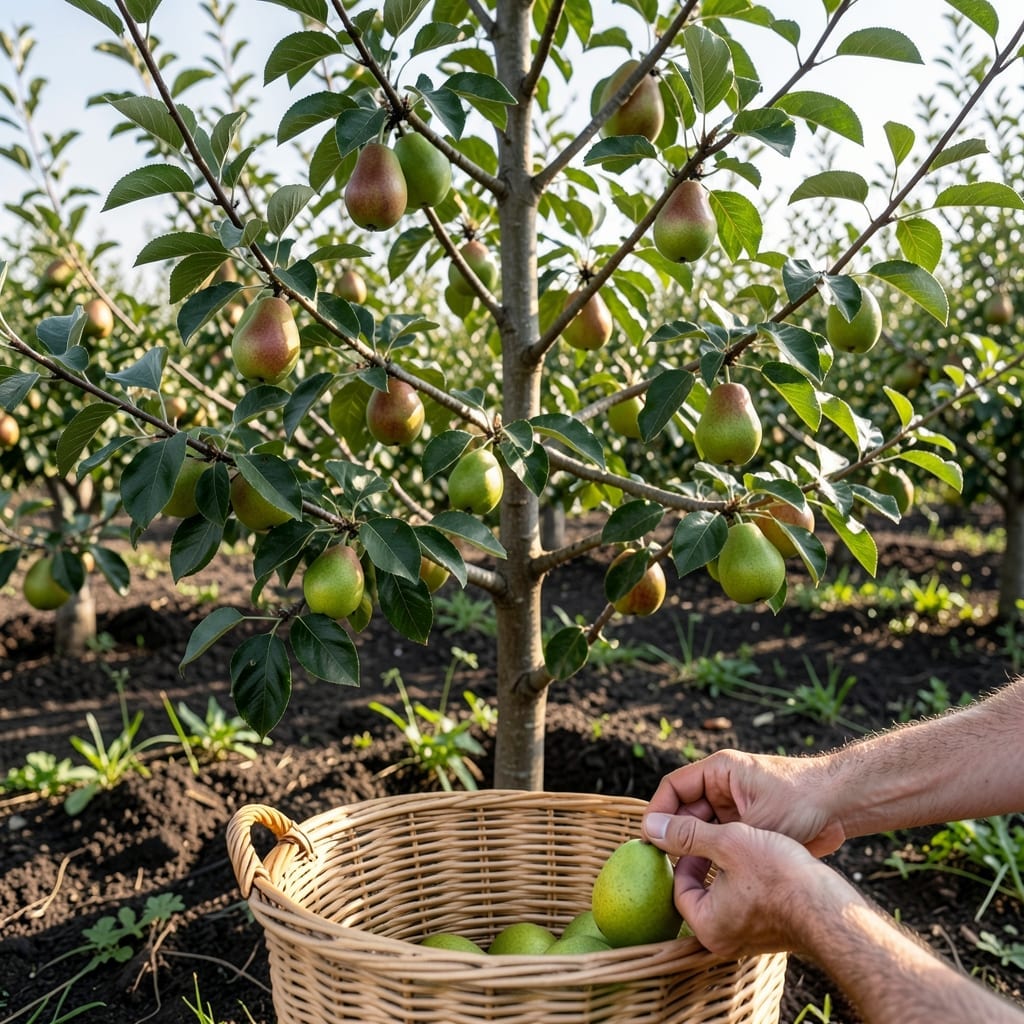
Nothing beats the rich, honeyed flavor of a perfectly ripe Bosc Pear 🍐—but timing the harvest can be tricky. Unlike other fruits, these pears don’t ripen on the tree.
That means knowing when to pick and how to test for ripeness is the key to enjoying their signature buttery texture. I’ve learned the hard way that waiting too long or picking too soon ruins the experience.
Luckily, there’s a simple method to check for ripeness that works every time. It’s all about paying attention to subtle changes in color, firmness, and even the stem.
Discover how to master this process and enjoy Bosc pears at their absolute best, whether you’re eating them fresh or preserving them for later.

I’ve found the check the neck test is the most reliable way to determine if your Bosc pears are ripe. This simple method focuses on the stem end of the pear, where ripening starts first.
Unlike other fruits, Bosc pears don’t ripen on the tree. They need to be picked at the right stage and allowed to ripen indoors. That’s where this test comes in handy. 🌱
The check the neck test works because Bosc pears ripen from the inside out. The stem end is the first part to soften, so testing there gives you the earliest indication of ripeness.
I always recommend starting this test once your pears have been off the tree for a few days. Store them at room temperature to speed up ripening. Avoid refrigerating until they’re fully ripe.
You’ll notice the color changes too. A ripe Bosc pear shifts from green to golden brown. But don’t rely on color alone—some pears may look ripe but still be hard inside.
The aroma is another clue. A ripe Bosc pear will have a sweet, fragrant smell at the stem. If there’s no smell, it’s not ready yet. If it smells overripe or fermented, it’s past its prime.
If you’re storing Bosc pears, keep them in a paper bag to concentrate the ethylene gas they emit, which speeds up ripening. Just
I’ve had the best results with this method when harvesting in late summer to early fall. That’s when Bosc pears are typically ready to pick. But always defer to the neck test for the final say.
One last tip: if you’re growing multiple pear varieties, note that Bosc pears often ripen later than others like Bartlett or Anjou. This test remains the most reliable for all of them though.
With practice, you’ll get a feel for the perfect moment to enjoy your homegrown Bosc pears at their peak. ☀️
While the check the neck test is my go-to method, there are other visual and sensory cues that help confirm a Bosc pear is ripe. These signs work alongside the neck test for foolproof results. 🌿
Bosc pears undergo a color transformation as they ripen, shifting from green to golden brown. This change is gradual, so observe your pears daily once they start transitioning.
| Sign | What to Look For |
|---|---|
| Color | Golden brown with green undertones |
| Aroma | Sweet, fragrant smell at stem |
| Firmness | Slight give at stem end |
| Stem | Easily separates from branch |
The aroma is another telltale sign. A ripe Bosc pear emits a sweet, honey-like scent near the stem. If you don’t smell anything, the pear isn’t ready yet.
For firmness, gently squeeze the pear (not just the neck). A ripe Bosc pear will have a slight give overall, but it shouldn’t feel mushy. It’s a delicate balance between firm and soft.
I’ve noticed Bosc pears often have a russeted skin, which can make color changes less obvious. That’s why combining the neck test with these other signs is so effective. ☀️
If you’re still unsure, compare your pears to a known ripe one. Over time, you’ll develop an eye—and nose—for the perfect harvesting moment.