
Beautiful Plants For Your Interior
Beautiful Plants For Your Interior
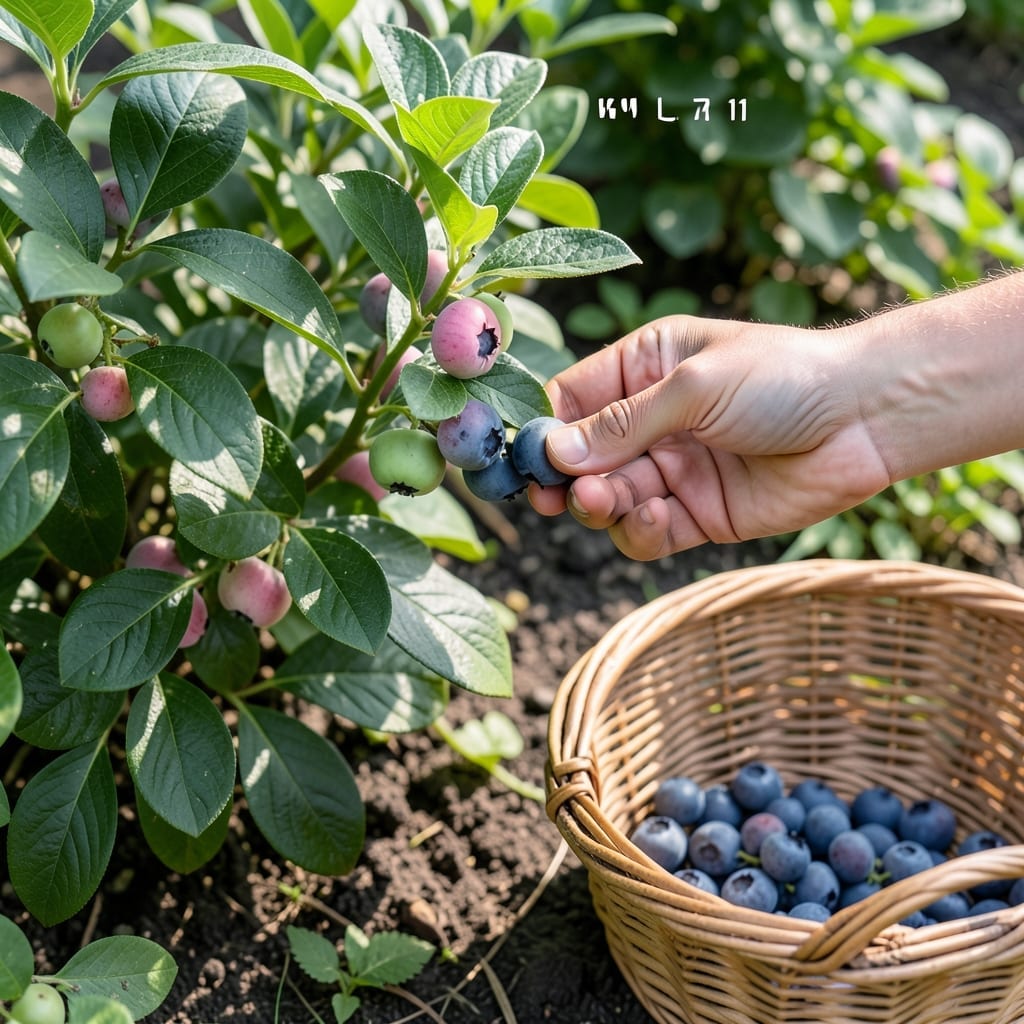
Picking Blueberries at peak ripeness ensures the sweetest flavor and best texture, but knowing the exact moment can be tricky even for seasoned gardeners. These small, delicate 🫐 fruits don’t always give obvious signals like other fruits.
I’ve learned that timing is everything when harvesting. The difference between a tart, underripe berry and a juicy, perfect one comes down to a few subtle cues you can spot with practice.
Let me share the most reliable visual and tactile signs to look for. You’ll be picking like a pro in no time.


Recognizing ripe blueberries starts with their color transformation. Immature berries appear red or purple, gradually deepening to a uniform blue as they mature. This shift is your first visual clue that harvest time is near.
The dusty white coating, called bloom, is another key indicator. This natural waxy layer protects the fruit and signals peak ripeness. Look for a matte finish rather than a shiny surface, which often means the berry isn’t quite ready.
| Visual Sign | What to Look For |
|---|---|
| Color | Fully deep blue all over |
| Coating | Dusty white bloom on surface |
| Size | Plump and full-sized for variety |
| Stem | Dry and brown, not green |
Size matters too. Ripe blueberries reach their mature size for the specific variety. Compare berries on the same bush—if most are uniformly plump, they’re likely ready. Smaller berries may need a few more days on the shrub.
Check the stem color as well. A brown, dry stem indicates the berry has finished growing, while a green stem suggests it’s still maturing. This small detail can prevent you from picking too early.
I always look for cluster uniformity. When most berries in a cluster show these signs, it’s a good indicator the entire group is ready. However, blueberries don’t ripen uniformly, so check individual berries rather than assuming the whole bush is ready.
The sheen test is another trick I use. Underripe blueberries often have a glossy appearance, while ripe ones appear more matte due to that protective bloom. This subtle difference can help you distinguish between nearly-ripe and perfectly-ripe berries.
Don’t forget to consider the time of year. In most regions, blueberry season runs from June to August. If you’re seeing these visual signs during this window, it’s a strong indication your berries are ready for harvesting.
Wild blueberries often develop a darker blue color compared to cultivated varieties. They’re also typically smaller but pack an intense flavor when fully ripe. The same visual principles apply, but expect some variation in size and color depth.
Finally, after checking these visual cues, I recommend doing a taste test. Pick one or two berries that show all the right signs and sample them. If they’re sweet with just a hint of tartness, the rest are likely ready too. 🌿
Beyond visual cues, the touch test reveals a lot about blueberry ripeness. Gently squeeze a berry—if it’s slightly soft and yields to pressure, it’s likely ready. Hard berries need more time on the bush.
I also check for bounce. Drop a berry from 6 inches onto a flat surface. A ripe one will bounce slightly, while an underripe berry will stay put. This simple test works surprisingly well for most varieties.
The taste test is my favorite method for confirmation. Pick a fully blue berry with bloom and sample it. A ripe blueberry will be sweet with balanced tartness, while underripe ones taste sour.
Avoid berries that are mushy or leaking juice, as these are overripe. The ideal blueberry should hold its shape but give slightly when pressed. I find that morning harvesting yields the firmest berries.
For wild blueberries, expect a more intense flavor but smaller size. The same touch and taste principles apply. If the berry stains your fingers, it’s at peak ripeness and ready to pick.
Remember, blueberries don’t ripen further after picking, so only harvest what’s ready. I like to use a small container to avoid crushing the berries during collection. 🌿