
Beautiful Plants For Your Interior
Beautiful Plants For Your Interior
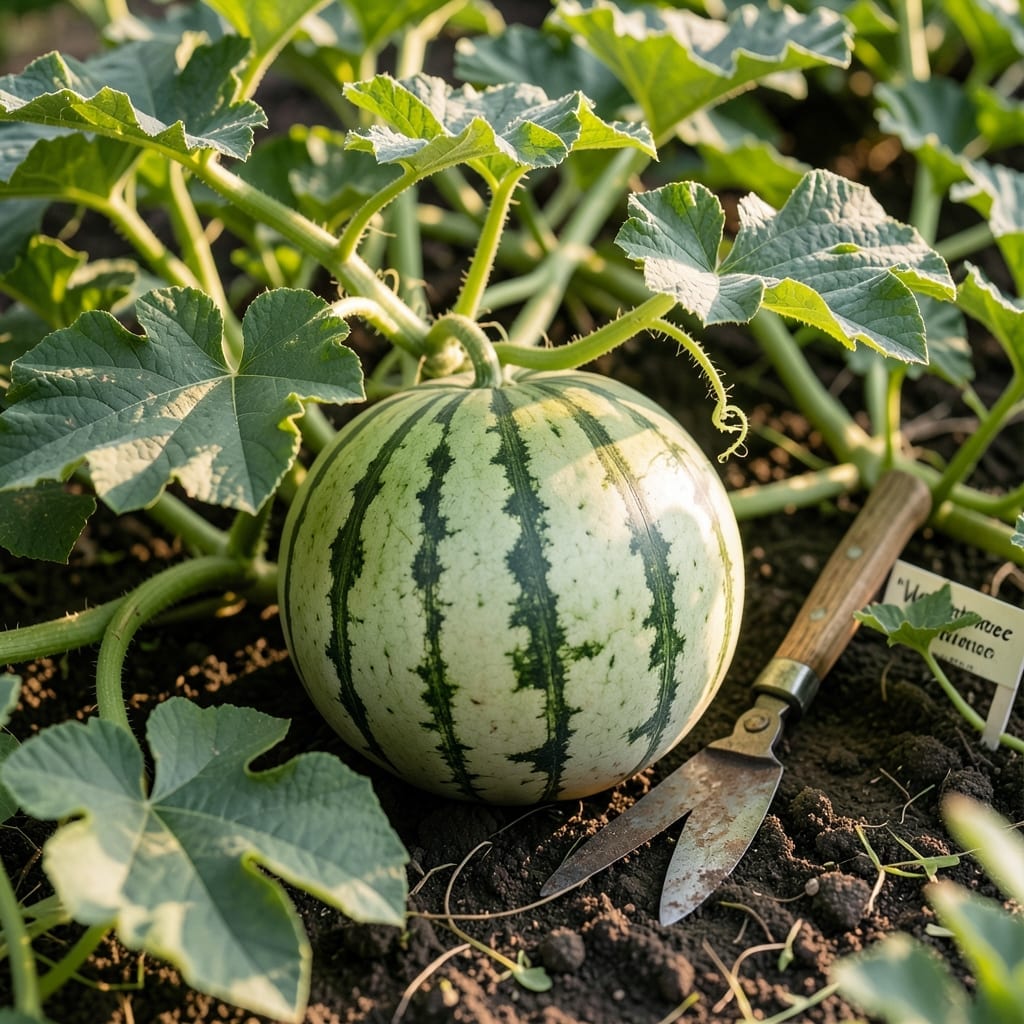
Picking a Watermelon 🍉 at its peak of sweetness is an art every gardener should master. Nothing beats the satisfaction of slicing into a perfectly ripe melon you’ve nurtured from seed to harvest.
But how do you know when it’s truly ready? The signs aren’t always obvious, and timing is everything for that burst of summer flavor.
Discover the foolproof visual and tactile cues that take the guesswork out of harvesting. These simple tests will ensure you enjoy your crop at its absolute best.

I’ve learned that harvesting a watermelon at the perfect moment is all about reading the plant’s signals. The ground spot is your first clue—it should shift from white or pale green to a creamy yellow.
Another telltale sign is the tendril nearest the stem. When it turns brown and dry, your melon is likely ready. These cues ensure peak sugar content and texture.
🌱 Ripe Watermelon Signs
| Sign | Description |
|---|---|
| Ground Spot | Creamy yellow color |
| Rind | Dull and hard to penetrate |
| Tendril | Brown and dry |
| Sound | Deep hollow when tapped |
The rind itself offers another hint. A ripe watermelon will have a dull finish, not shiny. This change happens as the chlorophyll breaks down during ripening.
For the tactile test, press your thumbnail into the rind. If it resists penetration, the melon is likely ripe. A soft rind means it needs more time.
The thump test is a classic for a reason. Tap the melon with your knuckles— a deep, hollow sound indicates ripeness. A flat or high-pitched sound means it’s not ready.
Don’t forget to check the stem. If it’s still green and fresh, the melon isn’t ripe. A dried stem is a strong indicator that it’s time to harvest.
I always recommend testing a few mature melons first. This helps you get a feel for the signs and calibrate your judgment for the rest of the crop.
Remember, variety matters. Seedless types may show slightly different signs. When in doubt, use multiple tests to confirm ripeness.
With these reliable cues, you’ll confidently harvest perfectly ripe watermelons every time 🌱
I’ve seen many gardeners make the same harvesting errors with watermelons. The most common is picking too early when the ground spot is still white or pale green.
Another mistake is ignoring the tendril test. If the curly tendril near the stem is still green and flexible, your melon isn’t ready. This simple check prevents underripe harvests.
⚠️ Harvesting Too Soon?
Picking before the ground spot turns creamy yellow or the tendril dries will give you a less sweet and watery melon.
Harvesting after heavy rain can also dilute the sugar content. I always wait 2-3 days after rainfall to let the flavor concentrate again.
Don’t rely on just one sign. Using only the thump test without checking other indicators can lead to inconsistent results. Combine multiple cues for accuracy.
Overlooking the stem condition is another pitfall. A green stem means the melon is still ripening. Only harvest when it’s dry and brown.
Finally, avoid harvesting late in the day. I’ve found that morning picking preserves the cool temperature and freshness of the fruit.
Steer clear of these common mistakes, and you’ll enjoy sweeter, juicier watermelons every season 🌱