
Beautiful Plants For Your Interior
Beautiful Plants For Your Interior
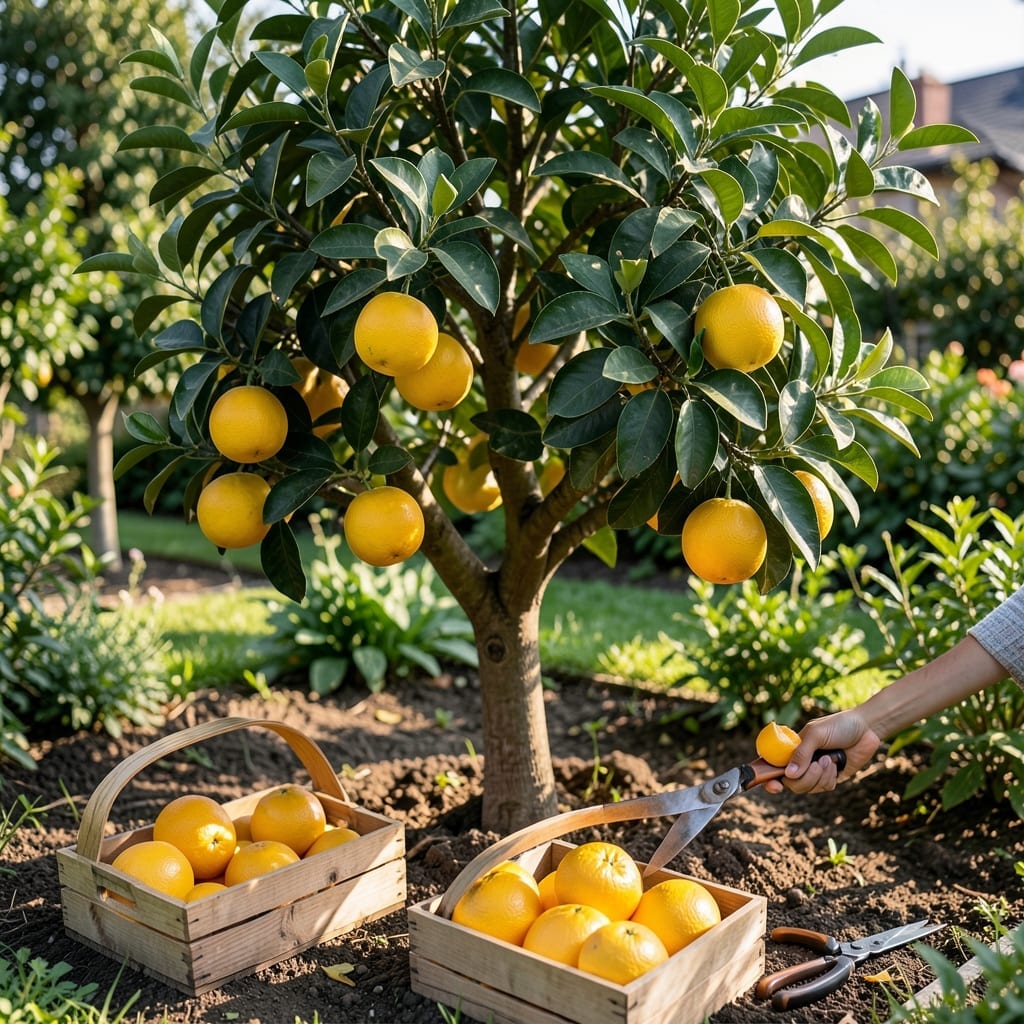
Picking a perfectly ripe 🍊 grapefruit can be tricky since these citrus fruits don’t ripen further after harvest. Unlike some fruits, they won’t continue to mature on your counter.
I’ve learned the subtle color, weight, and texture clues that signal peak ripeness for the juiciest, sweetest fruit. These signs are easier to spot than you might think.
Discover how to assess ripeness like a pro, ensuring every grapefruit you pick is ready to enjoy. Let’s break down what to look for.


Determining when a grapefruit is ripe starts with visual cues. The color is your first clue—fully ripe grapefruits typically shift from green to deep yellow, pink, or red, depending on the variety. 🌿
A slightly glossy skin also indicates maturity. I always check for even coloring across the fruit’s surface, as patches of green can mean it’s not quite ready. This is especially true for home-grown citrus.
| Indicator | Ripe Sign | Not Ready Sign |
|---|---|---|
| Color | Deep yellow, pink, or red | Green or pale |
| Weight | Heavy for size | Lightweight |
| Texture | Slightly soft | Hard and firm |
| Skin | Smooth and glossy | Dull or rough |
Weight is another critical factor. A ripe grapefruit will feel heavy for its size because the juices inside have fully developed. When I compare two similar-sized fruits, the heavier one is usually ripe. ✂️
Next, use tactile checks. Gently squeeze the fruit—it should have a slight give without being mushy. If it feels rock-hard, it’s not ready. This test works well for both store-bought and home-grown citrus.
For aroma, bring the grapefruit close to your nose. A strong citrus scent signals ripeness, while little to no smell means it’s underripe. I find this method especially useful for organic grapefruits, which often have a more pronounced fragrance.
Variety matters too. White grapefruits tend to turn pale yellow when ripe, while red or pink varieties develop deeper hues. I’ve noticed that Ruby Red grapefruits often have a reddish blush when fully mature. 🌱
Don’t overlook the stem end of the fruit. In my experience, a dried or brown stem often indicates ripeness. If the stem area is still green, the fruit may need more time on the tree.
Finally, consider the harvest season. In USDA zones 9-11, grapefruits typically ripen between October and December. If you’re growing your own, start checking for these signs as the season approaches. ☀️
By combining color, weight, and texture checks, you’ll become adept at picking grapefruits at their peak. I use all three methods together for the most accurate results every time.
Even experienced gardeners make mistakes when assessing grapefruit ripeness. One common error is judging solely by size. I’ve seen large grapefruits that were still underripe and small ones bursting with juice. 🌱
Another pitfall is ignoring the stem-end color. A green stem often means the fruit needs more time, while a brown or dry stem suggests ripeness. I always check this first.
⚠️ Avoid These Ripeness Errors:
Don’t assume softness means overripeness—slight give is normal. Don’t rely on color alone; some varieties stay greenish when ripe.
Many people also assume firmness equals ripeness. While a rock-hard grapefruit is underripe, a mushy one has likely passed its peak. I use gentle pressure with my palm to test. ✂️
Overlooking the aroma is another mistake. A ripe grapefruit should have a strong citrus scent. If it smells faint or grassy, it’s not ready. I often use this test for home-grown fruits.
Timing errors are common too. Picking too early in USDA zones 9-11 can lead to bitter fruit. I wait until October-December for my harvest, as this is when most varieties peak. ☀️
Lastly, don’t forget variety differences. A Ruby Red may look ripe at a pale pink stage, while a white grapefruit needs full yellow. I keep a variety chart handy for reference. 🌿