
Beautiful Plants For Your Interior
Beautiful Plants For Your Interior
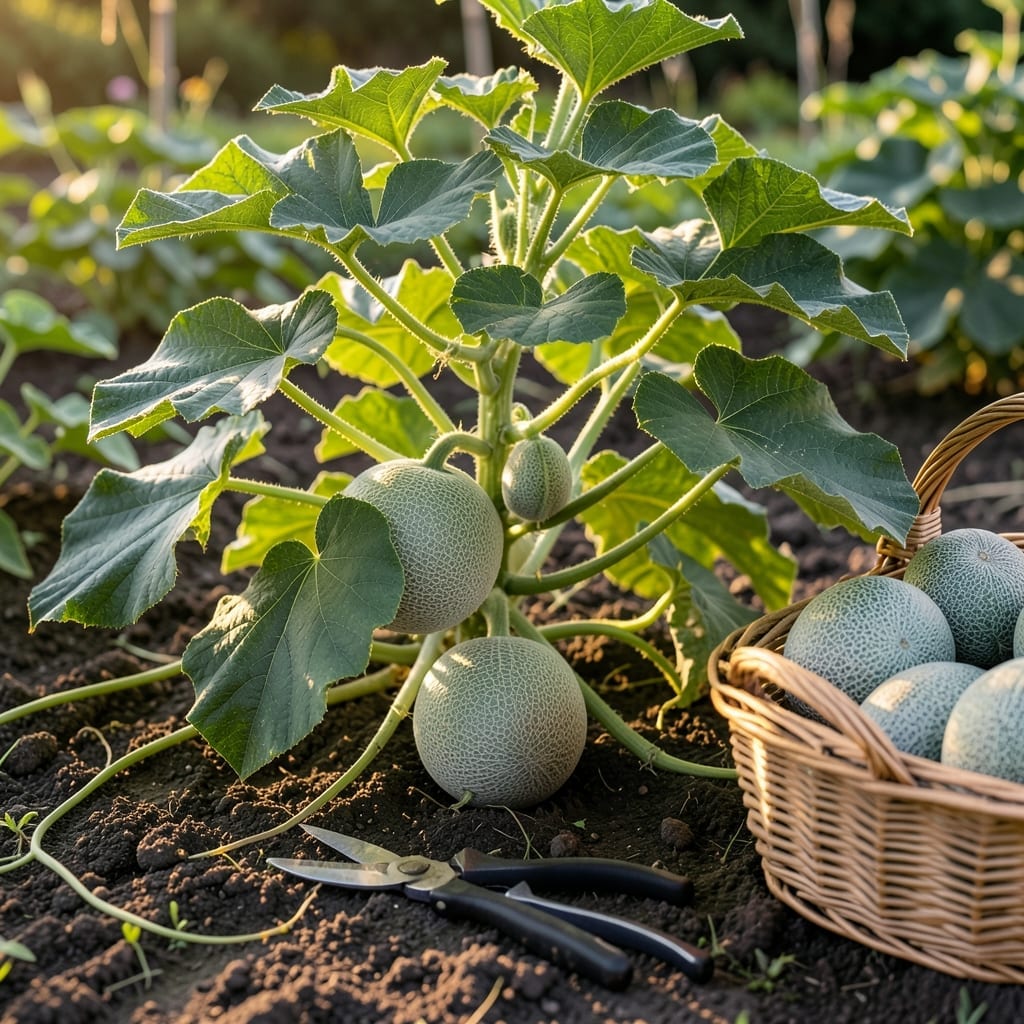
Picking a perfectly ripe 🍈 cantaloupe can be the difference between a bland snack and a burst of sweet, juicy flavor. We’ve all been there – cutting into one only to find it underripe or overripe.
What if I told you there are 3 simple signs that guarantee you’ll pick a winner every time? These visual, tactile, and aroma cues are easier to spot than you might think.
Discover how to identify the perfect cantaloupe and enjoy that ideal balance of sweetness and juiciness we all crave.


Nothing beats the satisfaction of harvesting a perfectly ripe cantaloupe from your garden. I’ve learned that timing is everything when it comes to flavor and sweetness. These melons won’t continue ripening after picking, so getting it right is crucial.
The 3 key indicators I rely on are the stem end, rind color, and aroma. Each tells a different part of the ripeness story, and together they never let me down.
Look for a cracked stem end or one that detaches with gentle pressure. This is the most reliable sign.
The undercolor (area under the netting) should turn from green to beige or cream when ripe.
A ripe cantaloupe emits a sweet, musky smell at the stem end. If there’s no aroma, it’s not ready.
The stem end slippage is my favorite indicator because it’s the most accurate. When the cantaloupe is fully ripe, the stem naturally separates from the vine with minimal effort. This is nature’s way of telling you it’s ready.
For the rind color, I check the area opposite the stem, called the blossom end. On a ripe cantaloupe, this spot changes from green to yellow or cream. The netting itself becomes more pronounced as the fruit matures.
The aroma test works best when combined with the other signs. I’ve found that cantaloupes grown in full sun with consistent watering develop the strongest, sweetest fragrance. This scent is most noticeable at room temperature.
Many gardeners make the mistake of looking at the overall color of the melon. The green background color can vary between varieties, so it’s not a reliable indicator on its own. Instead, focus on that blossom end color change for the most accurate assessment.
I always check all three signs together. A cantaloupe might have a sweet smell but if the stem won’t detach and the blossom end is still green, it needs more time. Patience pays off with these melons – they’re worth the wait!
Remember that cantaloupes don’t ripen after picking, unlike some other fruits. This makes proper identification in the garden absolutely essential. I’ve learned to be patient and wait for all signs to align perfectly.
In my experience, morning is the best time to harvest. The fruits are cool from the night air, and I can clearly see all the ripeness indicators. I use a sharp knife or pruners to cut the stem if it hasn’t already separated from the vine.
🌱
When I’m at the market, I use a few hands-on techniques to test cantaloupe ripeness. These methods help me pick winners without damaging the fruit. The tap test and weight check are my go-to approaches.
I’ve found that combining these with the blossom end pressure test gives the most reliable results. Each technique reveals different aspects of the melon’s readiness.
Gently tap the melon – a ripe cantaloupe produces a deep, hollow sound. A high-pitched sound means it’s underripe.
A ripe melon feels heavy for its size. This indicates high water content and juiciness.
Apply gentle pressure to the blossom end (opposite the stem). It should give slightly when ripe.
The tap test works because the sound changes as the fruit’s internal structure develops. I’ve noticed that underripe melons have a more solid, high-pitched sound due to their denser flesh.
For the weight check, I compare similar-sized melons. The heavier one is usually riper because it contains more juice and sugars. This is especially true for cantaloupes grown in well-draining soil.
The blossom end pressure test is my favorite for store-bought melons. I use my thumb to press gently – if it gives slightly, like pressing a ripe avocado, it’s ready. Be careful not to press too hard to avoid bruising.
I always combine at least two of these tests for best results. A melon that passes the tap test and feels heavy is almost always a winner. The blossom end test confirms it.
🌱