
Beautiful Plants For Your Interior
Beautiful Plants For Your Interior
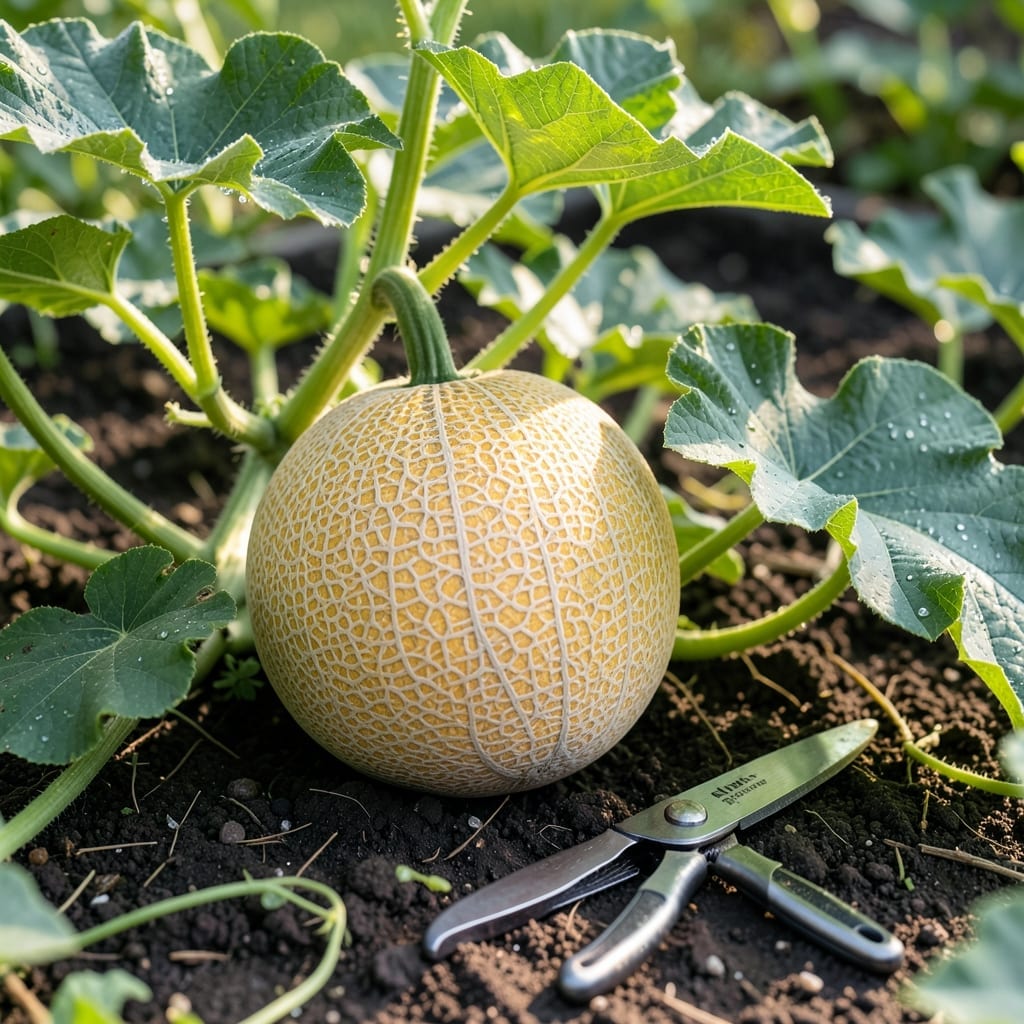
Picking a perfectly ripe 🍈 cantaloupe can be tricky—choose too early and it’s bland, wait too long and it spoils. Here’s how to pick the sweetest melon every time.
I’ve learned that timing and technique make all the difference with Cantaloupe. The right cues can turn an uncertain guess into a confident selection.
Discover the 3 foolproof signs that guarantee your next Cantaloupe is at peak ripeness, ready to deliver that juicy, sweet flavor you crave.


The most reliable way to determine ripeness starts with the stem end. A fully ripe cantaloupe will have a stem that slips easily from the vine, known as a full slip in gardening terms. This is nature’s way of telling us the fruit is ready to harvest.
Next, examine the rind color beneath the netting. An unripe cantaloupe often shows green or white hues, while a ripe one transitions to a beige or tan color. This change is subtle but a clear indicator of maturity.
| Sign | Description |
|---|---|
| Full Slip | Stem detaches easily from vine |
| Rind Color | Beige or tan under netting |
| Netting | More pronounced and raised |
| Webbing | Cracked, corky appearance |
The netting pattern on the rind also becomes more pronounced as the fruit matures. Look for raised, well-defined webbing that feels slightly rough to the touch. This texture change is a positive sign of ripeness.
Don’t overlook the blossom end (opposite the stem). A ripe cantaloupe often develops a slightly soft feel here when gently pressed. This softness shouldn’t be confused with the mushy texture of an overripe melon.
The webbing between the netting can turn from green to a corky brown color. This corky appearance is another reliable visual cue that your cantaloupe is ready for harvest.
I always check the underside of the melon where it sat on the soil. A ripe cantaloupe will often have a creamy yellow spot rather than green, indicating it received proper sunlight and ripened evenly.
Remember that color alone isn’t the most reliable indicator. Some cantaloupe varieties maintain green tones even when ripe. That’s why we always use multiple signs together for the most accurate assessment.
For the best results, I recommend checking your cantaloupes daily as they approach maturity. The transition from unripe to perfectly ripe can happen quickly, sometimes within 24-48 hours. ☀️
These visual signs, when combined, give me confidence that I’m harvesting at the peak of ripeness. The most satisfying part is that first sweet, juicy bite that confirms all the careful observation was worth it. 🌱
While visual signs are important, I’ve found that smell and touch often reveal the most about a cantaloupe’s ripeness. The stem end should emit a sweet, musky aroma when the fruit is ready. If there’s no scent, it’s likely not ripe yet.
A ripe cantaloupe will also have a slight give when you press the blossom end (opposite the stem). Use your palm, not fingertips, to avoid bruising. It should feel firm but yield slightly under gentle pressure.
For the sound test, tap the cantaloupe with your knuckles. A ripe melon produces a deep, hollow sound, while an unripe one sounds dull or flat. This takes practice, but it’s a skill worth developing.
I always combine these sensory tests with visual cues for the most accurate results. A cantaloupe that passes all three is almost certainly at peak ripeness. Remember, the stem end is the most fragrant part, so focus your smell test there.
If the melon feels too soft or has a strong, fermented odor, it’s likely overripe. These are signs to leave it on the vine or choose another. Trust your senses—they’re your best tools in the garden.
With practice, you’ll develop an instinct for ripeness. I’ve found that morning harvesting often yields the best results, as the fruits are firm and the sugars are at their peak after a cool night. 🌱