
Beautiful Plants For Your Interior
Beautiful Plants For Your Interior
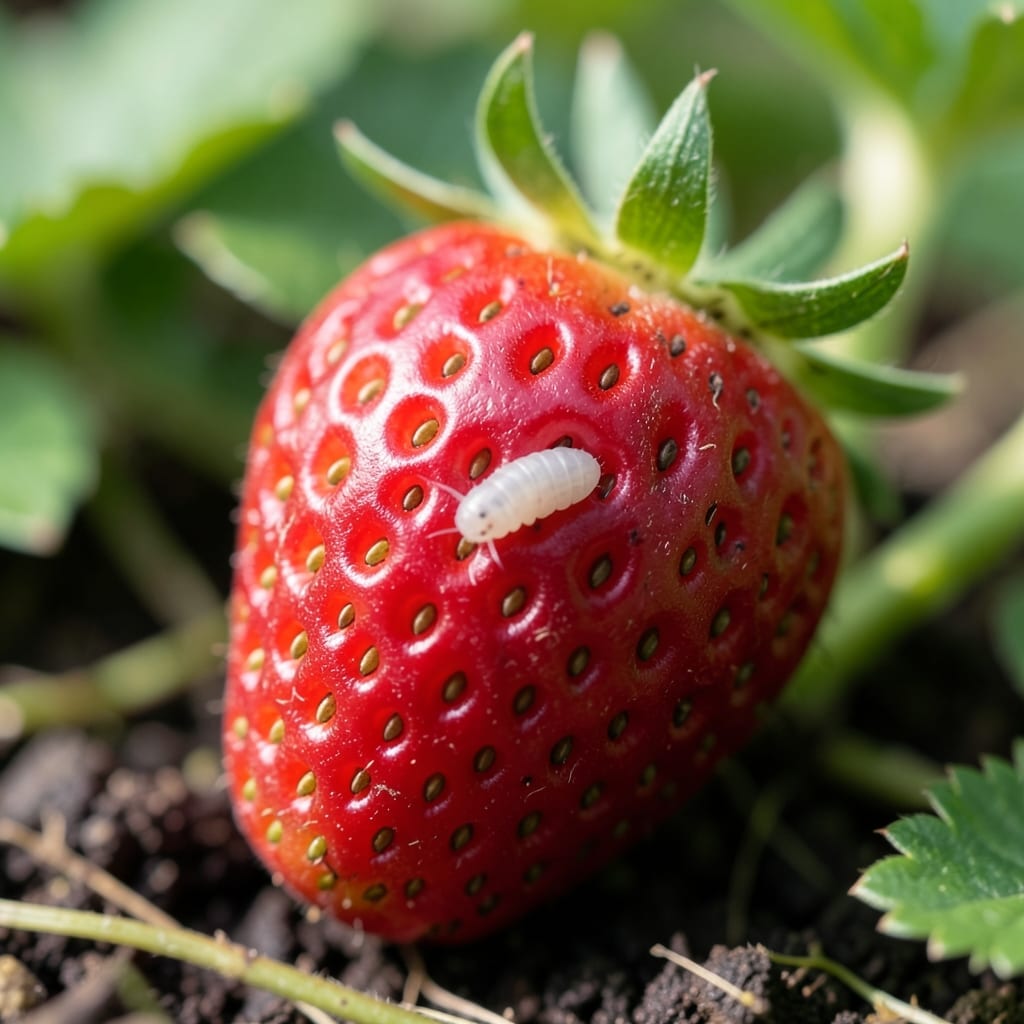
Nothing ruins a strawberry harvest faster than finding a worm inside that perfect red berry. I’ve been there—biting into fruit only to spot the tiny hole too late.
Here’s the thing—worms leave clear signs before you even pick the fruit. Look for small entry points, discolored spots, or berries that feel unusually soft.
Catching these early means saving most of your crop. A quick inspection under the leaves or around the stem catches the culprits before they spread.
Works for homegrown patches or store-bought pints. Spot the clues, save your strawberries.
Strawberries can harbor worms primarily due to natural pest infestations and agricultural factors. Here’s a breakdown of the most common causes:
One of the leading culprits is the spotted wing drosophila (SWD), a type of fruit fly. Unlike common fruit flies, SWD females lay eggs inside ripe or ripening strawberries using a serrated ovipositor. The larvae (maggots) then feed on the fruit, causing internal damage. This pest thrives in warm, humid conditions and is particularly active during harvest seasons.
While organic farming avoids synthetic pesticides, it can sometimes lead to higher worm infestations. Without chemical deterrents, pests like SWD or strawberry root weevils have fewer barriers to laying eggs in the fruit. However, organic growers often use beneficial insects or nets to mitigate this risk.
Warm, moist environments accelerate pest activity. Strawberries grown in regions with high humidity and moderate temperatures (60–80°F) are especially vulnerable. Overripe or overcrowded fruit clusters also attract egg-laying insects, increasing the likelihood of worms.
Even if strawberries are worm-free at harvest, improper storage or delayed processing can allow existing eggs to hatch. Keeping berries at cool temperatures (below 40°F) slows larval development, but infested fruit may still harbor hidden pests.
If you’ve spotted signs of worms in your strawberries, don’t panic—here’s how to handle it and prevent future infestations.
If you see tiny worms, holes, or dark tunnels in the fruit, discard the affected berries immediately. Cut open a few strawberries from the batch to check for hidden larvae. For the rest, soak them in a mixture of 1 part vinegar to 3 parts water for 10-15 minutes—this forces worms to the surface. Rinse thoroughly afterward.
Even if worms aren’t visible, a saltwater or baking soda soak can kill eggs or larvae. Dissolve 1 teaspoon of salt or baking soda in 4 cups of water, soak strawberries for 5-10 minutes, then rinse. This also helps remove surface dirt and pesticides. Always wash berries right before eating—not in advance—to avoid spoilage.
To stop worms at the source, use row covers in your garden to block adult insects from laying eggs. Rotate crops and avoid planting strawberries in the same spot yearly. Companion planting with marigolds or thyme can repel pests naturally. If worms persist, apply neem oil (a natural insecticide) to plants, following package instructions.
Pro tip 💡: Buy strawberries from trusted local farms or pick your own—freshly harvested berries are less likely to harbor pests than those stored for long periods.
They appear as tiny, dark pinpricks or shallow pits on the surface. Often surrounded by slightly discolored or soft flesh. Look closely at the stem area and underside of berries, where eggs are commonly laid.
Discard any berries with visible holes or worms. Soak the rest in a vinegar-water solution for 10-15 minutes to force out hidden larvae. Rinse well before eating to ensure safety.
Without commercial pesticides, home gardens are more vulnerable to pests like fruit flies. Warm, humid conditions and overripe fruit also attract egg-laying insects. Use row covers and rotate crops to reduce risks.
Yes, freezing at 0°F for 72 hours will kill any larvae. However, it won’t remove existing holes or damage. For fresh eating, always inspect and wash berries thoroughly first.