
Beautiful Plants For Your Interior
Beautiful Plants For Your Interior
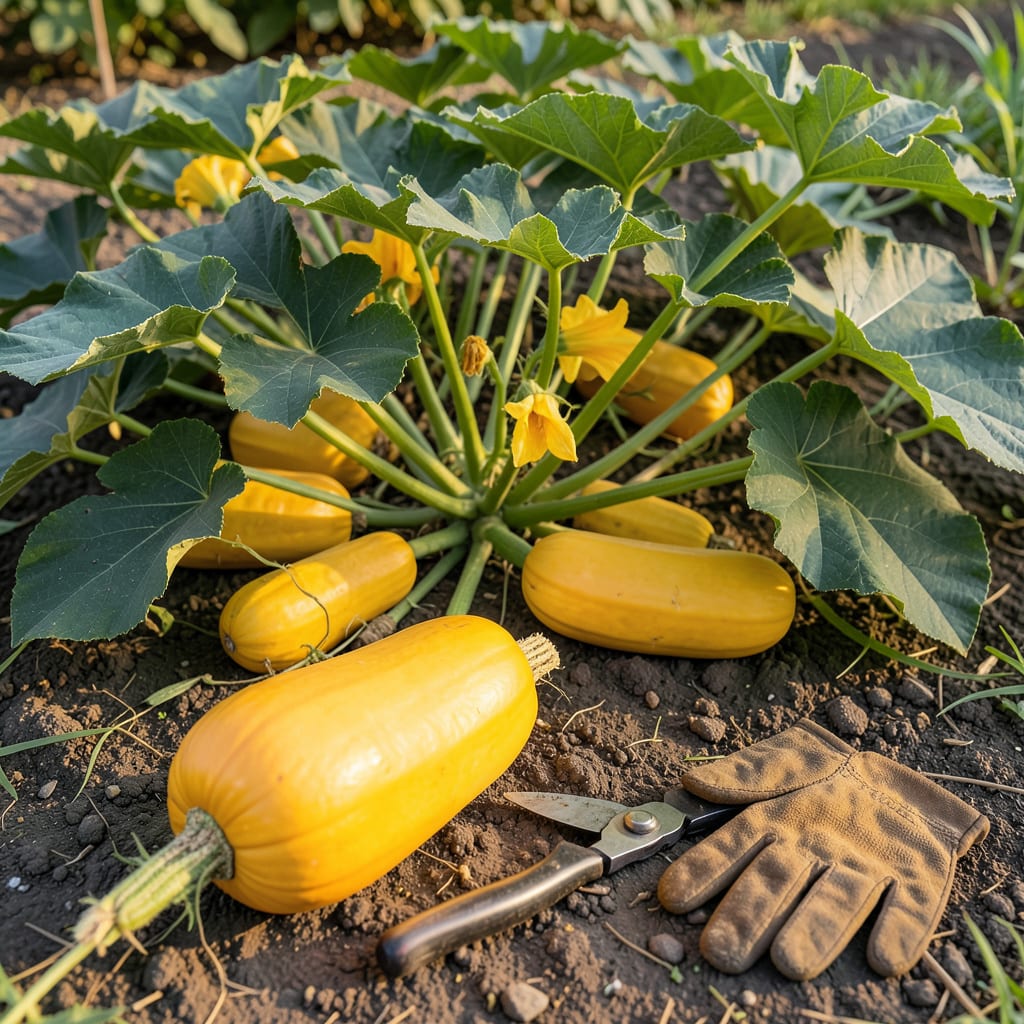
Nothing beats the satisfaction of growing your own 🎃 Spaghetti Squash, but knowing when to harvest can be tricky. Picking at the right moment ensures the best taste and texture.
I’ll share the 3 simple signs to look for, so you can confidently gather your crop at its peak. These tips work for most growing zones, including 6a.


Timing your harvest perfectly ensures your spaghetti squash has the best flavor and storage potential. I’ve found that visual cues are the most reliable way to judge ripeness, especially for beginners.
Look for changes in rind color, stem condition, and vine health to confirm your squash is ready. These signs work across most growing zones, including USDA Zone 6a.
The first sign I always check is the rind color. A mature spaghetti squash shifts from pale green to a deep golden yellow or vibrant orange, depending on the variety.
Next, test the rind hardness. Gently press your fingernail into the skin. If it leaves a mark or punctures easily, the squash needs more time. A hard rind means it’s ready.
The stem condition is another telltale sign. When the stem near the fruit dries out and turns brown and woody, your squash is likely ripe. Green stems indicate it’s still maturing.
Don’t overlook the vines. As the squash ripens, the vines may start to die back or turn brown. This is a natural signal that the fruit is reaching maturity.
In most regions, spaghetti squash is ready to pick 90 to 100 days after planting. If you planted in April or May, expect to harvest from August to October.
I recommend checking your squash every few days as it nears maturity. The transition from not-ready to perfect can happen quickly, especially in warm weather.
Remember, a perfectly ripe spaghetti squash will have a hollow sound when tapped. This is a great backup test if you’re unsure about the visual signs. ✂️
Testing your spaghetti squash for ripeness doesn’t require guesswork. I use simple, non-invasive methods to check if it’s ready to come off the vine. These tests are quick and reliable.
Start with the fingernail test for rind hardness. A mature squash will resist puncturing, while an immature one will dent easily under pressure.
The tap test is one of my favorites. Gently knock on the squash with your knuckles. A ripe one will produce a hollow sound, much like a drum, while an unripe squash sounds dull.
Another reliable method is checking the tendril closest to the stem. When this tendril turns brown and dry, it’s a strong indicator that the fruit is mature. Green tendrils mean the squash still needs time.
For extra confirmation, examine the stem itself. A ripe spaghetti squash will have a dry, woody stem that feels corky to the touch. If the stem is still green and flexible, wait a few more days.
These tests work together to give you confidence. I’ve found that combining the fingernail test with the tap test provides the most accurate results, especially for beginners. ☀️
Harvesting spaghetti squash at the wrong time can ruin your crop. I’ve seen many gardeners make simple mistakes that lead to poor texture or short storage life. Avoid these pitfalls for the best results.
One of the biggest errors is picking too early. Immature squash has soft rinds and underdeveloped seeds, which affects flavor and texture. Always check for the 3 key signs of ripeness first.
⚠️ Warning: Harvesting too late causes overripe, mushy flesh. Picking too early results in poor texture and taste.
Another common mistake is ignoring the stem condition. Cutting squash with green stems means it’s not ripe. Always wait until the stem turns brown and woody before harvesting.
Improper cutting can also damage your squash. Use clean, sharp pruners and leave 2-3 inches of stem attached. This prevents rot and extends storage life.
Finally, don’t overlook storage conditions. Store harvested squash in a cool, dry place with good airflow. Avoid damp areas, which can cause mold or spoilage. ✂️
A ripe squash will have a deep yellow or orange rind with no green patches. The color should be even across the entire surface.
No, a green stem means it’s not ready. Wait until the stem turns brown and woody for the best flavor and storage life.
Once ripe, harvest within 1-2 weeks for peak quality. Leaving it too long may cause the flesh to become mushy or overripe.
Not always. While most reach 8-12 inches long, color and rind hardness are better indicators. A small squash with a hard rind and mature color is ready.
