
Beautiful Plants For Your Interior
Beautiful Plants For Your Interior
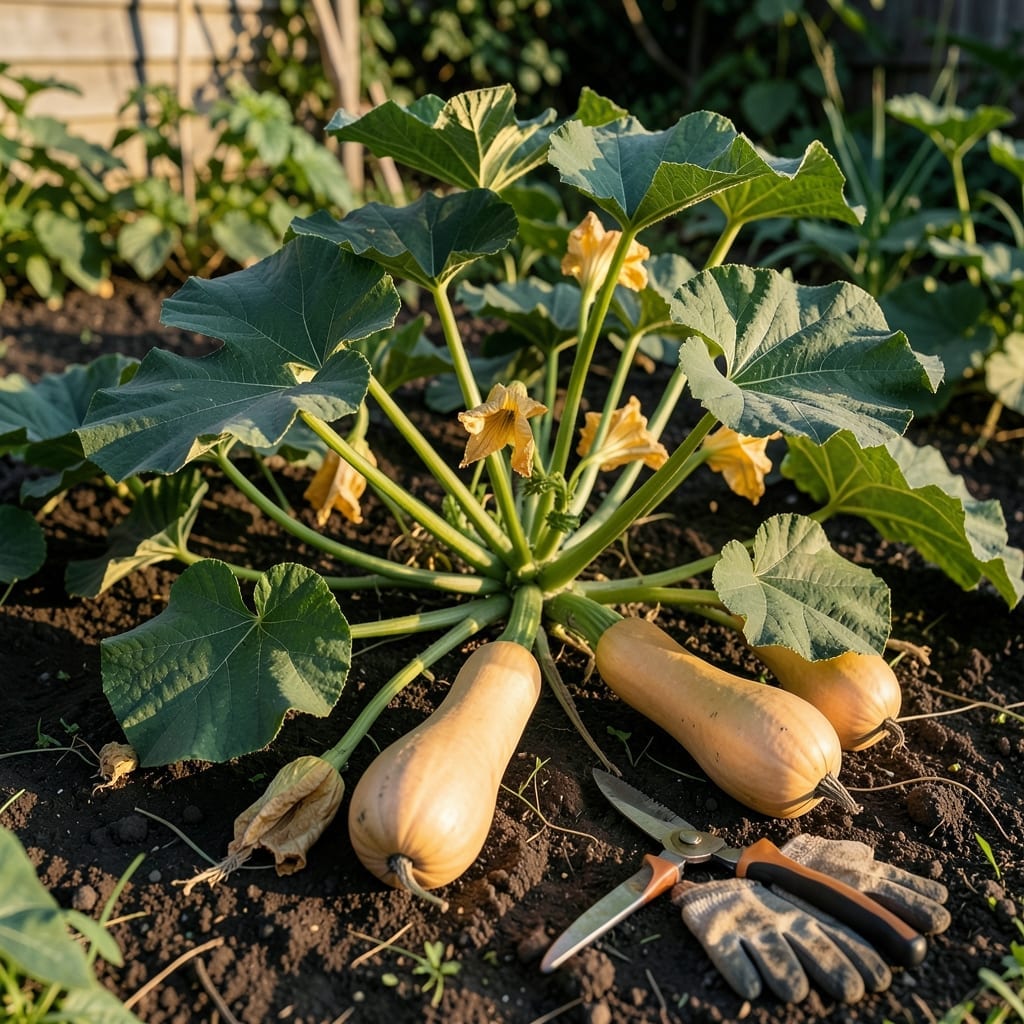
Picking butternut squash at the perfect moment ensures the best flavor and storage life. Unlike some fruits, 🎃 Butternut Squash doesn’t give off strong signals—until you know what to look for.
I’ve learned the hard way that harvesting too early or too late can ruin weeks of careful growing. The difference between a mediocre and a perfectly ripe squash often comes down to a few subtle cues.
Let me share the field-tested signs that’ll help you harvest at just the right time. These tips will save you from the guesswork and disappointment of underripe or overripe squash.
Timing your harvest perfectly makes all the difference with butternut squash. I check my patch daily in late summer, watching for those telltale signs that the rind and stem are ready.
The most reliable indicator is the skin color. A ripe butternut transitions from pale green to a deep tan or beige, with no green streaks remaining. This color change signals the sugars have developed fully inside.☀️
| Sign | What to Look For |
|---|---|
| Skin Color | Uniform deep tan with no green |
| Rind Hardness | Thumb nail test: Can’t puncture skin |
| Stem Condition | Dry and woody to touch |
| Vine Health | Vines start dying back naturally |
| Weight | Feels heavy for size |
The thumbnail test is my go-to for confirming ripeness. Press your thumbnail into the rind—if it resists and doesn’t leave a mark, it’s ready. This hardness means the squash will store well through winter.
Another key sign is the stem. When it turns from green to brown and woody, and starts to dry out, that’s nature’s signal. I never pick with a green stem, as this means the nutrients are still flowing.
Watch the vines too. As the growing season winds down, the vines begin to yellow and die back. This is the plant’s way of telling you it’s finished its work. Don’t wait too long though, as frost can damage the squash.
Weight matters more than you’d think. A ripe butternut feels dense and heavy for its size. Lift a few to compare—you’ll notice the difference immediately. The flesh inside should be firm and packed with sweetness.
I always check the underside where it touches the soil. A ripe squash will have a cream-colored spot, not white or green. This ground spot is the last to change color, so it’s a great final check.
Timing is everything. In my Zone 6 garden, I start checking around 85 days after planting. The harvest window is usually between August and October, just before the first frost hits.
Remember, these signs work together. Don’t rely on just one—look for multiple indicators. When the color, hardness, and stem condition all align, you can be confident it’s time to harvest.🌱
Even experienced gardeners sometimes misjudge the perfect harvest time for butternut squash. I’ve made my share of mistakes, learning the hard way that timing is everything with this winter squash. Picking too early or too late can ruin your harvest.
Harvesting too soon is a common error. If the rind is still soft or the stem is green, the squash hasn’t reached its full sugar content. This results in bland flavor and poor storage life.☀️
⚠️ Warning: Picking immature butternut squash leads to poor flavor and short storage life. Always confirm ripeness with multiple signs before harvesting.
The thumbnail test often reveals immaturity. If your nail easily punctures the rind, the squash needs more time. I always double-check by examining the skin color and stem condition before making the cut.
Waiting too long has its own risks. Overripe squash can develop split skin or become vulnerable to pest damage. In my garden, I’ve lost several to squirrels and insects when I waited past the ideal window.
Another mistake is ignoring the vines. When they start to die back, it’s a clear signal that the harvest window is closing. I mark my calendar for 85-100 days after planting to start daily checks.
The ground spot is often overlooked. If it’s still white or green, the squash isn’t ready. I’ve learned to flip each one gently to check this final indicator. It’s a simple step that prevents many harvest errors.
Finally, don’t harvest in wet conditions. Moisture can lead to rot during storage. I always wait for a dry morning to pick my butternut squash, ensuring the best start for long-term storage.🌱