
Beautiful Plants For Your Interior
Beautiful Plants For Your Interior
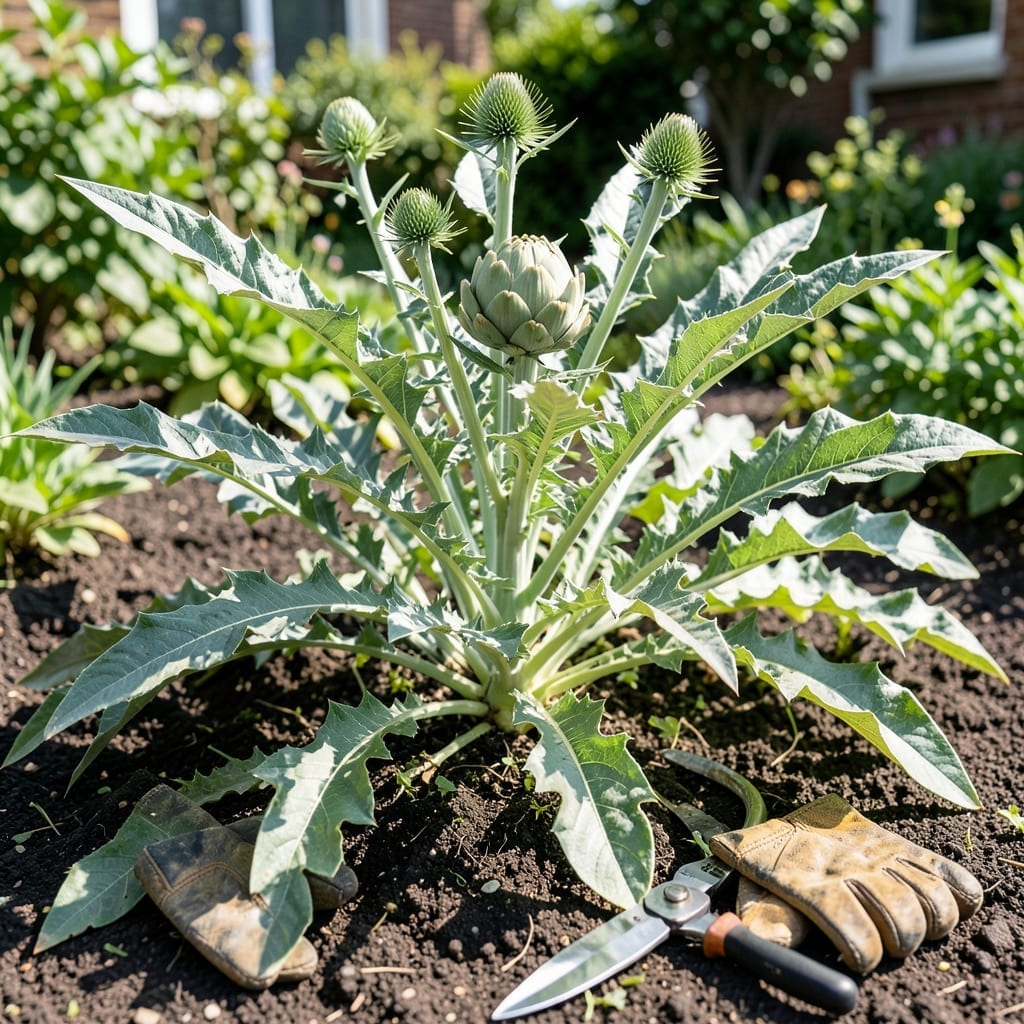
Picking an artichoke at peak ripeness means the difference between a tough, bitter disappointment and a tender, flavorful delight. With 🥬 Artichoke, timing is everything for that perfect harvest.
Knowing the exact visual cues can transform your harvest from guesswork to garden success. I’ll show you how to spot the subtle signs that indicate your Artichoke is ready.
Discover the simple tricks that ensure you never harvest too early or too late again. Your taste buds will thank you.


I’ve found that spotting a ripe artichoke comes down to a few key visual cues. The most reliable sign is the tightness of the bud—it should feel firm and compact.
Another giveaway is the color of the bracts. A deep green hue with a slight purple tint at the tips often signals peak ripeness in many varieties.
| Sign | What to Look For |
|---|---|
| Bud Tightness | Firm and closed tightly |
| Bract Color | Deep green or purple-tipped |
| Stem Condition | Thick and sturdy |
| Size | 3-5 inches in diameter |
The stem thickness also matters—a ripe artichoke will have a sturdy, meaty stem that’s at least ½ inch wide. This indicates the plant has directed enough energy into the bud.
Size is another factor I watch closely. Most mature artichokes reach 3 to 5 inches in diameter, though this can vary by variety. Smaller buds may still be developing their tender hearts.
I always check the bracts at the base too. If they’re starting to separate or loosen, the artichoke is likely past its prime and developing a tough, fibrous choke.
The top of the bud should appear slightly rounded but still firm to the touch. A flat or opening top means it’s overripe and the edible portion is shrinking.
For Globe artichokes, the most common type, I look for a slightly flattened top rather than a pointed one. This subtle change happens as the bud matures.
Timing is critical—artichokes can go from perfectly ripe to overripe in just 1-2 days during warm weather. I make it a habit to check my plants daily once buds start forming.
Finally, the overall appearance should be vibrant and healthy. Any signs of wilting, yellowing, or dry bracts mean the artichoke has passed its peak and won’t offer the best texture or flavor.
With these signs in mind, you’ll never have to guess whether your artichokes are ready. Just remember: firm, tight, and vibrant are the words to live by 🌿
I see many gardeners harvest too early, missing out on the full flavor of their artichokes. A bud that’s still pointed at the top hasn’t reached its peak tenderness yet.
Another common error is waiting too long. Once the bracts start opening, the choke inside becomes tough and inedible. This can happen overnight in warm weather.
⚠️ Warning: Never harvest an artichoke with yellowing bracts or a soft, spongy feel. These are clear signs it’s past its prime and won’t taste good.
Some gardeners ignore the stem, but a thin or weak stem often means the bud isn’t fully developed. I always check for a thick, sturdy base before picking.
Another mistake is assuming size equals ripeness. While most artichokes reach 3-5 inches, some varieties stay smaller. Focus on tightness and color rather than size alone.
I’ve also seen people harvest in the heat of the day, which can cause the buds to wilt prematurely. The best time to check and pick is in the cool morning hours.
Finally, don’t overlook the lower bracts. If they’re starting to spread or curl outward, the artichoke is likely overripe. Always inspect the entire bud carefully.
By avoiding these common pitfalls, you’ll consistently pick artichokes at their peak of perfection ✂️