
Beautiful Plants For Your Interior
Beautiful Plants For Your Interior
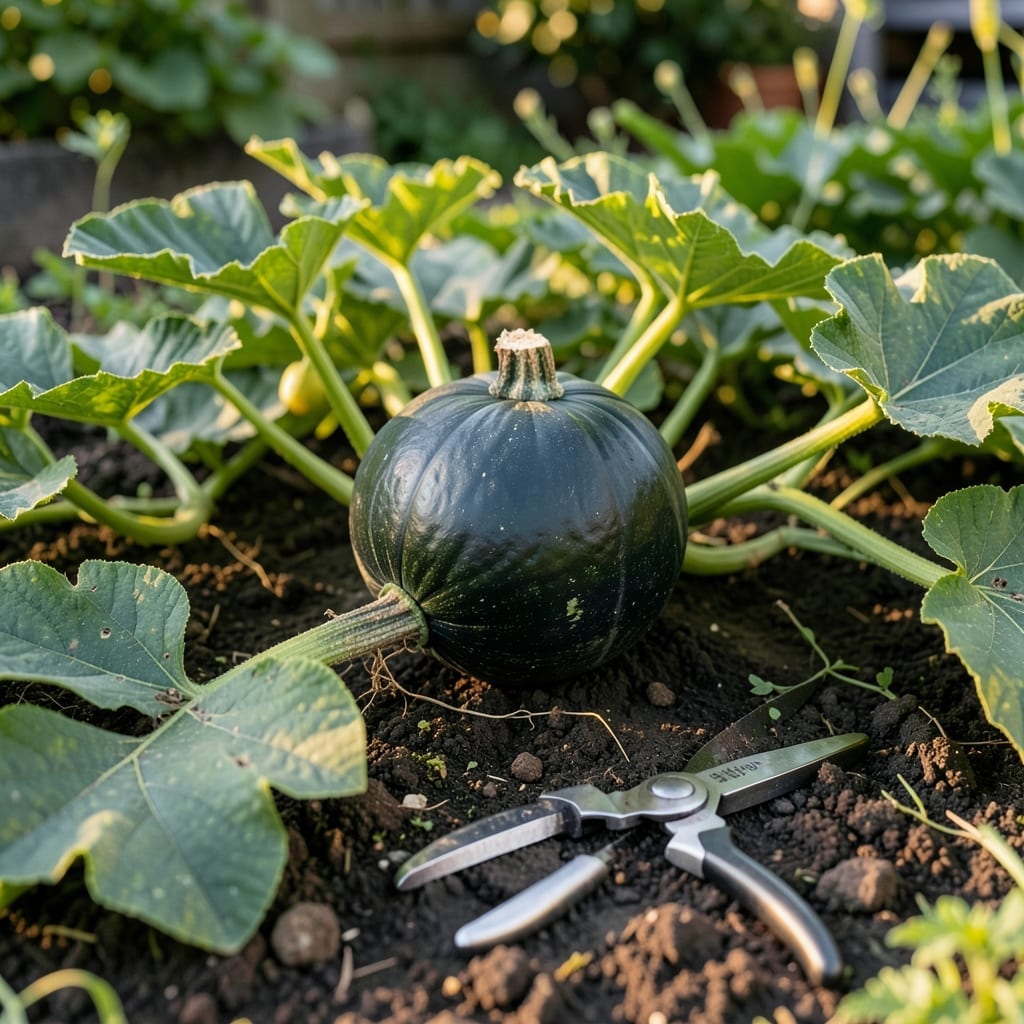
Nothing beats the satisfaction of harvesting your own 🎃 Acorn Squash at peak ripeness, but knowing the exact moment can be tricky.
I remember my first attempt at growing these – I picked one too early and it was a disappointment. The key is learning to spot those subtle signs that tell you it’s ready.
Discover the field-tested methods I use to ensure every squash comes off the vine at its sweetest and most flavorful.
I’ve found that acorn squash gives clear signals when it’s ready for harvest. The first thing I check is the rind hardness—a mature squash should resist pressure from your fingernail. This is the most reliable indicator of readiness.
Another key sign is the stem condition. When it turns dry and corky, your squash is likely ready. I also look for a dull skin color, which replaces the shiny appearance of immature squash.
Don’t overlook the vines—when they begin to die back, it’s nature’s way of saying the squash is mature. I’ve noticed this often happens as the growing season winds down.
The color change is another visual cue. Most varieties shift from shiny green to a dull, deep green or even orange. This color transformation signals the squash has reached its peak sugar content.
I always check the underside of the squash too. It should have a cream-colored spot where it rested on the soil. This is normal and doesn’t affect quality.
Remember, size isn’t everything. A smaller squash can be perfectly ripe while a large one might still be immature. Focus on the physical signs rather than dimensions.
The weight test works well too. A ripe acorn squash feels heavy for its size. I compare similar-sized squash to gauge this.
Finally, the ground spot should be firm and dry. If it’s still soft or green, give it more time on the vine. This simple check prevents many premature harvests.
By combining these visual and tactile signs, I consistently harvest acorn squash at its peak. The rind hardness and stem dryness are my top two indicators. 🌿
I’ve made my share of harvesting errors with acorn squash, and I want to help you avoid them. The most common mistake is picking too early—many gardeners get excited and harvest before the squash is truly ready.
Another frequent error is ignoring the stem. A green, moist stem means the squash isn’t mature, even if the rind feels hard. Always check this crucial detail before harvesting.
⚠️ Avoid These Ripeness Mistakes
Don’t rely on size alone—smaller squash can be ripe while large ones may not be. Also, never harvest with a green stem, as this indicates immaturity.
Many gardeners also overlook the vine condition. If the vines are still lush and green, the squash likely needs more time. Wait for the vines to start dying back for the best results.
Another mistake is not checking the ground spot. A soft or green spot where the squash touches the soil means it’s not ready. This spot should be firm and cream-colored at harvest time.
I’ve learned that color can be misleading. Some varieties stay green when ripe, while others turn orange. Always combine color checks with other ripeness indicators for accuracy.
Lastly, avoid harvesting after rain. Wet squash can develop rot or mold during storage. Wait for dry conditions to pick your acorn squash for the best storage life.
By steering clear of these common pitfalls, you’ll harvest acorn squash at its peak every time. 🌱