
Beautiful Plants For Your Interior
Beautiful Plants For Your Interior
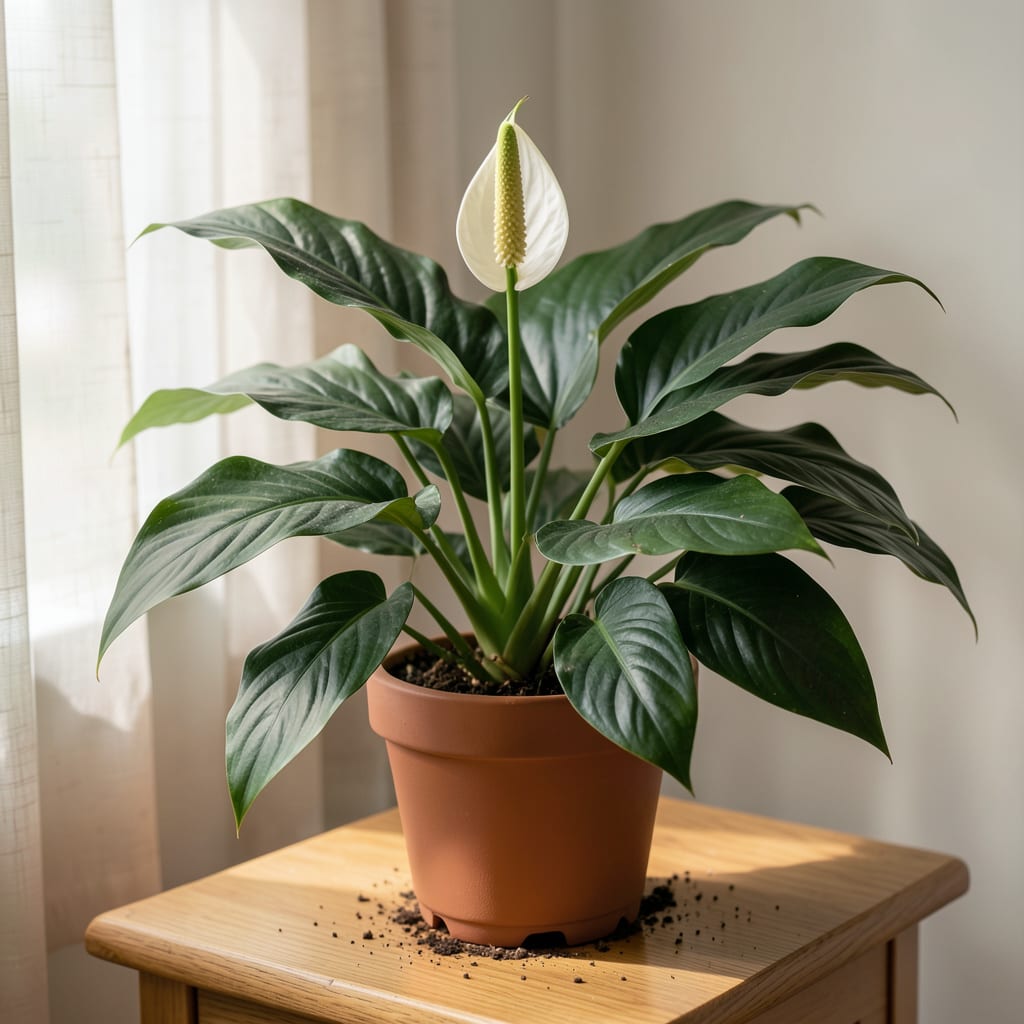
Your General Plant looks sadder than usual—yellow leaves, droopy stems, or soil that smells like a swamp. What’s going on? More often than not, the issue isn’t thirst—it’s too much water, silently suffocating roots and inviting rot.
Overwatering is one of the fastest ways to kill a plant, but the good news is it’s easy to spot if you know what to look for. I’ll show you the 5 unmistakable signs and exactly how to fix it before it’s too late. Let’s save that struggling green friend together.


Overwatering is one of the most common ways gardeners accidentally harm their plants. While we often worry about forgetting to water, too much water can be just as deadly. It suffocates roots, promotes fungal growth, and creates the perfect environment for root rot to take hold.
Plants need oxygen at their roots just as much as they need water. When soil stays soggy, those tiny air pockets disappear, and roots literally drown. The tricky part? Many overwatering symptoms mimic other issues, so let’s break down the five most reliable signs your plant is crying for help.
Notice how these symptoms differ from underwatering? With too little water, leaves turn crispy and brown, soil pulls away from pot edges, and plants perk up quickly after watering. Overwatered plants, however, often stay wilted even after watering because their roots are damaged.
I’ve seen gardeners mistake edema (those weird blisters on leaves) for pests or disease. But here’s the secret: edema is your plant’s way of saying, “I’m drinking too much!” Those blisters form when roots absorb more water than the plant can use, causing cells to burst.
Another sneaky sign? Stunted growth despite plenty of water and sunlight. If your plant seems “stuck” and isn’t putting out new leaves, check the roots. Overwatering stresses plants so much they stop growing to conserve energy. It’s like they’re in survival mode.
Pro tip: Lift your pot after watering to feel its “wet weight”. Then lift it again when the soil is dry. This simple trick helps you learn what “just right” feels like for your specific plant. A soggy pot will feel heavy for days, while a properly drying pot lightens up.
If you spot fungus gnats buzzing around your plant, that’s another overwatering clue. These pests lay eggs in damp soil, and their larvae feast on decaying roots. Trust me, you don’t want to deal with an infestation—it’s easier to fix the watering issue now!
Remember, some plants (like peace lilies or calatheas) are drama queens and wilt at the slightest dryness—but they bounce back fast. Others, like succulents or snake plants, rot silently if overwatered. Know your plant’s native habitat to gauge its tolerance.
The good news? Catching overwatering early means you can usually save your plant with a few adjustments. In the next section, I’ll walk you through exactly how to nurse it back to health—whether it’s a houseplant, vegetable, or ornamental garden favorite. 🌿
When I see yellow leaves or drooping stems, my first thought isn’t always “water it more.” In fact, these are classic overwatering red flags. Plants can’t scream for help, but they send subtle distress signals when their roots are drowning in soggy soil.
The problem? Most gardeners assume wilted plants are thirsty. But overwatered plants often look just as sad as underwatered ones—except their soil stays wet. Let’s break down the 5 most common symptoms so you can diagnose the issue fast.
One of the trickiest symptoms is edema—those weird blisters or bumps on leaves. This happens when roots absorb water faster than the plant can use it, causing cells to burst. If you spot these, it’s time to stop watering immediately and check drainage.
I always recommend the finger test: Stick your finger 1-2 inches into the soil. If it feels damp, hold off on watering. For potted plants, lift the container—if it feels heavy, the soil is still saturated. Weight is a telltale sign most gardeners overlook.
Don’t confuse overwatering with transplant shock or nutrient deficiencies. If only the lower leaves yellow while new growth looks healthy, overwatering is likely the culprit. But if yellowing spreads uniformly, you might be dealing with a nitrogen deficiency instead.
Remember, most plants recover if you catch overwatering early. Adjust your routine, improve drainage, and give your plant time to bounce back. In the next section, I’ll walk you through the exact steps to fix an overwatered plant—before it’s too late.
It’s the classic gardening dilemma: your plant looks sad, but is it thirsty or drowning? Misdiagnosing this can turn a fixable problem into a plant funeral. I’ve seen too many gardeners water a drowning plant or let a thirsty one wither because the symptoms looked similar.
The secret lies in the details—leaf texture, soil condition, and how your plant responds to water. Let’s break down the critical differences so you can play plant detective like a pro. Your green friends will thank you! 🌿
| Symptom | Overwatered Plant | Underwatered Plant |
|---|---|---|
| Leaf Appearance | Soft, yellow leaves (often starting at bottom); may have brown spots | Crispy, brown edges; leaves feel papery or brittle |
| Leaf Drop | Leaves fall off easily when touched; stems may feel mushy | Leaves stay attached but look dried out; stems feel hollow |
| Soil Condition | Soggy or moist for days; may smell foul or have mold | Bone-dry and pulls away from pot edges; cracks may form |
| Root Health | Dark, mushy roots that fall apart; may have black spots | Dry, brittle roots that snap easily; usually light tan |
| Plant Response | Stays wilted even after watering; slow to no recovery | Perks up within hours of watering; quick recovery |
| Pot Weight | Feels heavy for days after watering; slow to dry out | Feels unusually light; dries out within 1-2 days |
The finger test is your best friend here. Stick your finger 1-2 inches deep into the soil. If it feels cool and damp, hold off on watering—your plant’s likely overwatered. If it’s dry and warm, it’s time to hydrate. This simple trick works for 90% of plants!
Here’s a pro tip: Succulents and cacti almost always suffer from overwatering if they look sad. Their thick leaves store water, so wilting usually means root rot, not thirst. On the flip side, fern-like plants (think maidenhair or Boston ferns) wilt dramatically when dry but bounce back fast.
Still unsure? Grab a wooden chopstick (yes, from your kitchen—this is the one exception!). Push it into the soil, leave it for 10 minutes, then pull it out. If it’s damp or has soil stuck, wait to water. If it’s clean and dry, your plant needs a drink. This works better than your finger for deep pots!
Remember, most plants recover from underwatering faster than overwatering. When in doubt, wait a day and check again. Your plant will forgive a little thirst, but drowning? That’s a harder fix. Now go save that sad plant—I believe in you! 🪴
Inspect your plants every 3-5 days during active growth seasons. Focus on the soil moisture and leaf condition—especially after heavy watering or rain. Early detection means easier recovery.
Yes, if caught early! Trim affected roots with sterilized scissors, repot in fresh, dry soil, and hold off on watering for 5-7 days. Severe cases may need fungicide treatment to fully bounce back.
This “wet wilt” happens when roots suffocate in soggy soil and can’t absorb water. Stop watering immediately and let the top 2 inches of soil dry out before checking again. Improve drainage long-term.
Move the plant to a sunny, breezy spot and gently loosen the topsoil. For potted plants, tip it sideways to drain excess water. Avoid heat sources—gradual drying prevents further root stress.
No—succulents develop squishy leaves, while ferns may get crispy tips. Always research your specific plant’s needs. When unsure, the finger test (1-2 inches deep) works for most varieties.
