
Beautiful Plants For Your Interior
Beautiful Plants For Your Interior
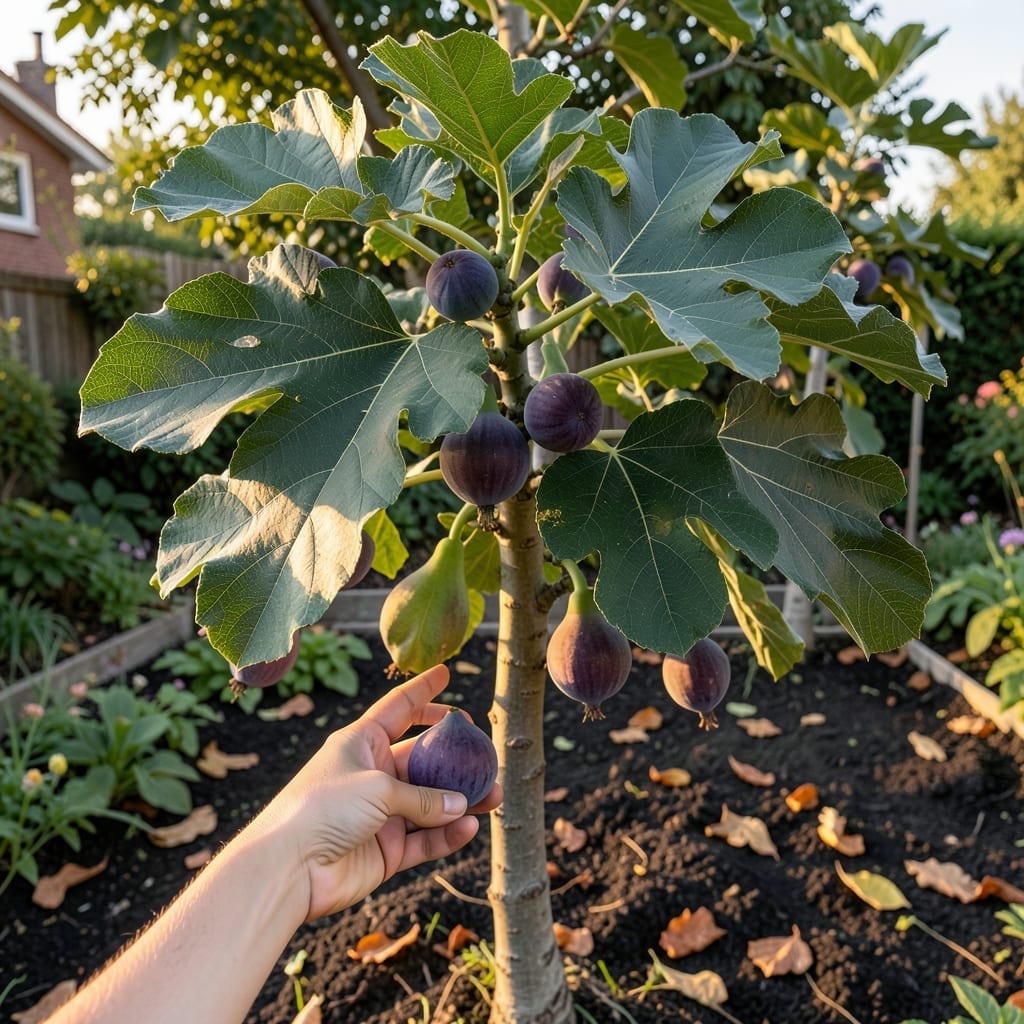
Nothing beats the sweet, honey-like flavor of a perfectly ripe 🍇 Fig, but picking one too early—or too late—can leave you with a bland or mushy disappointment.
Discover the foolproof signs to identify peak ripeness every time. I’ll share the most important visual cues and touch tests that gardeners swear by.
With these simple tricks, you’ll never second-guess your harvest timing again. Let’s ensure every 🍇 Fig you pick is at its absolute best.


The perfect harvest window for figs is all about visual cues. I always look for a deep color change first—most varieties shift from bright green to rich purple, brown, or black as they ripen. 🌿
Another telltale sign is the neck drooping slightly. When the fruit bends at the stem, it’s often ready. But don’t rely on color alone—some green figs, like Celeste, stay light even when ripe. 🌱
| Variety | Ripe Color | Key Sign |
|---|---|---|
| Brown Turkey | Purple-Brown | Neck droops, soft touch |
| Black Mission | Deep Black | Glossy skin, slight split |
| Celeste | Light Purple | Sweet aroma at stem |
The skin texture also changes as figs ripen. A ripe fig will have a slightly wrinkled or cracked surface, especially near the stem. This isn’t a flaw—it’s a sign of sweetness developing inside. ✂️
I’ve learned that overripe figs often split open, which attracts pests. To avoid this, check your tree daily during peak season. The window between perfectly ripe and too ripe can be just 24 hours in hot weather. ☀️
For Green Ishka or other light-colored varieties, don’t wait for dark hues. Instead, look for a duller green shade and a softer feel. The stem end may also develop a slightly sunken appearance when ready. 🌳
Another pro tip: ripe figs will often have a sweet scent at the stem. If you don’t smell anything, it’s likely not ready. But if it smells fermented, it’s past its prime and should be composted. 🪴
Early in the season, I sometimes mistake unripe figs for ripe ones because they’re large. But size alone isn’t an indicator—always combine it with color, texture, and stem droop for accuracy. 🌻
If you’re growing multiple varieties, keep a ripening journal. Note the exact color and days to maturity for each type. This helps you anticipate harvests in future years with precision. 📋
Remember, figs won’t ripen after picking like some fruits. They must ripen on the tree, so timing your harvest is critical. When in doubt, taste-test one—if it’s sweet and juicy, the rest are ready too. 🌷
While visual signs are key, the touch test is my go-to for confirming ripeness. A gentle squeeze should reveal a soft, yielding texture—not rock-hard or mushy. 🌿
I also check the stem end for slight give when pressed. If it’s firm and unyielding, the fig needs more time. But if it’s too soft, it may be overripe and prone to splitting. 🌱
Another trick I use is the weight assessment. Ripe figs feel heavier in your hand because they’re full of sweet juice. Compare a few to get a feel for the difference. ☀️
Be cautious with over-ripeness, as figs can split open quickly in hot weather. This not only ruins the fruit but also attracts pests like birds and wasps. ✂️
For Brown Turkey or Black Mission varieties, the skin may crack slightly when ripe. This is normal and a sign of peak sweetness, but don’t let them stay on the tree too long after this happens. 🌳
If you’re unsure, pick one and taste it. A ripe fig will be sweet and juicy, while an unripe one will be bland or rubbery. With practice, you’ll recognize the perfect moment every time. 🪴