
Beautiful Plants For Your Interior
Beautiful Plants For Your Interior
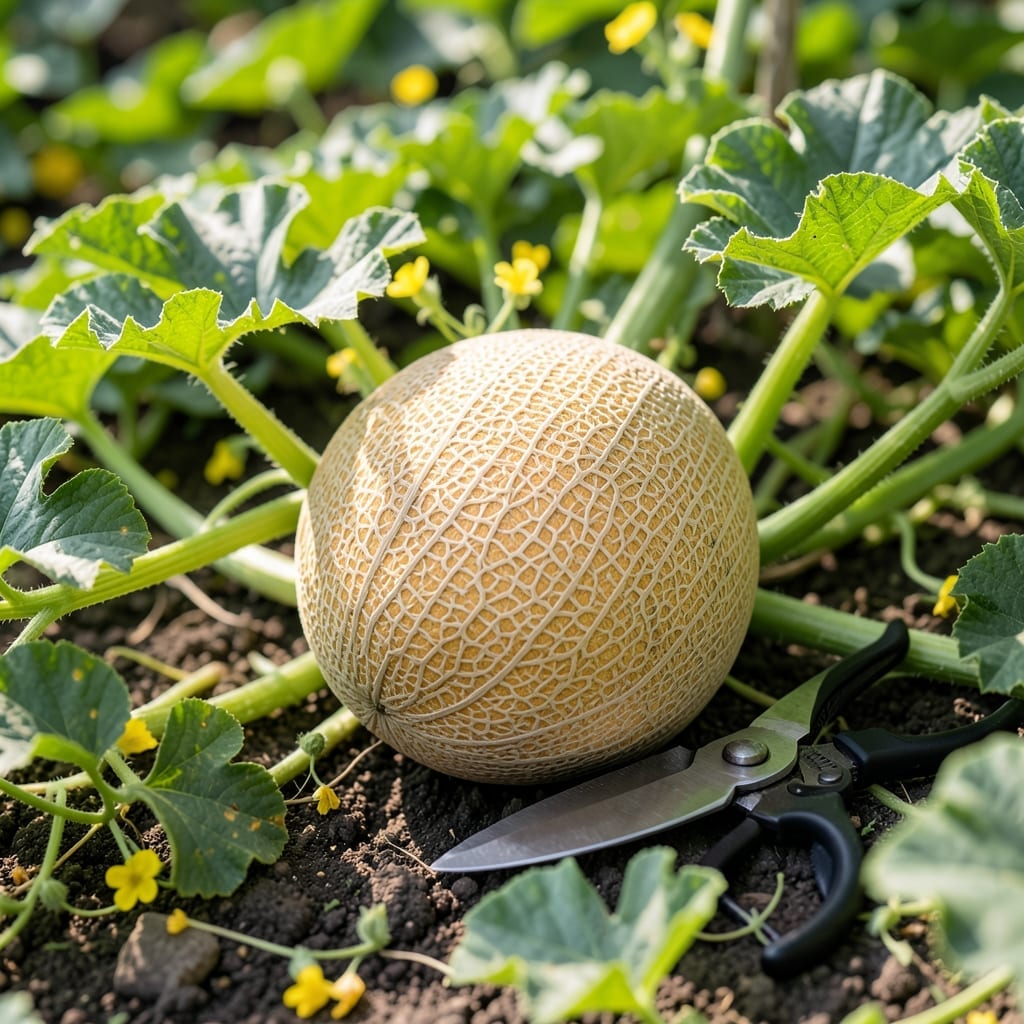
Nothing beats the juicy, honey-sweet flavor of a perfect cantaloupe—unless you pick one that’s underripe or mushy. I’ve been there, staring at a vine full of 🍈 melons wondering which one to choose.
Luckily, there are foolproof ways to tell when your cantaloupe is ready. These simple sensory tricks will help you pick the sweetest, most flavorful fruit every time.
Discover how to use touch, smell, and sight to select the best cantaloupe from your garden this season.


Picking a ripe cantaloupe is all about using your senses. I’ve learned that the best melons reveal their readiness through smell, touch, and appearance. These signs are nature’s way of telling you it’s harvest time.
With a little practice, you’ll confidently identify the sweetest cantaloupes in your garden. Here’s how to decode the clues every perfect melon leaves behind.
The stem check is my go-to method. If the stem detaches with minimal effort, the cantaloupe is likely at its peak sweetness. This is a reliable indicator for home gardeners.
For the color shift, focus on the area under the netting. A ripe cantaloupe transitions from green to a golden tan. This change is subtle but unmistakable once you’ve seen it a few times.
When testing for blossom end softness, use your thumb. Press gently on the opposite side of the stem. If it yields slightly, the melon is ready to harvest. Avoid squeezing too hard, as this can bruise the fruit.
The hollow sound test works best with experience. Practice tapping a few melons to compare sounds. A ripe cantaloupe will produce a deep, resonant tone, while an unripe one sounds dull.
Combine these methods for the most accurate results. I like to start with the stem and color checks, then confirm with aroma and sound. This multi-sensory approach ensures I never pick an underripe melon.
Remember, morning harvesting often yields the sweetest cantaloupes. The fruits are at their peak sugar content early in the day, making this the ideal time to pick. ☀️
Even experienced gardeners make common errors when selecting cantaloupes. I’ve learned that relying on just one indicator often leads to disappointment. The key is using multiple senses to confirm ripeness.
One frequent mistake is ignoring the stem. A firmly attached stem usually means the melon isn’t ready, no matter how good it looks or smells. Always check this first before moving to other tests. 🌿
⚠️ Avoid These Pitfalls:
Relying only on color can mislead you—some varieties stay green when ripe. Always combine color checks with stem and aroma tests for accuracy.
Another error is squeezing too hard when testing for softness. This can bruise the fruit and ruin its texture. Use gentle pressure on the blossom end to feel for slight give.
Many gardeners also overlook the time of day. Cantaloupes harvested in the late afternoon may be less sweet than those picked in the morning when sugar content peaks.
Don’t forget to compare multiple melons on the same vine. This helps you spot the subtle differences between ripe and unripe fruits, training your senses for future harvests.
Finally, avoid rushing the process. Cantaloupes ripen on the vine, not after picking. Patience ensures the sweetest, most flavorful harvest. ✅